
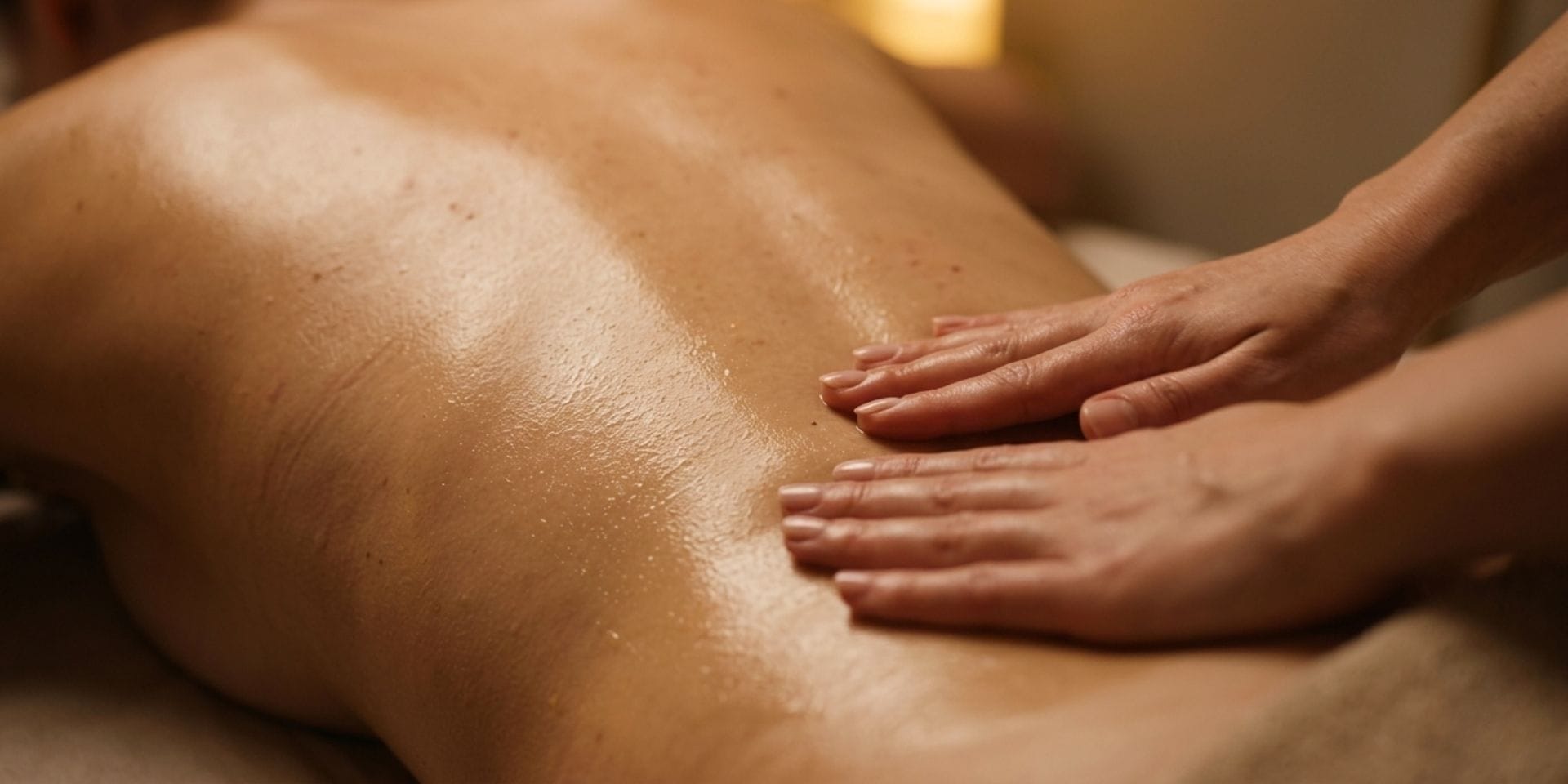
Warming Massage Oil and How Heat Changes the Way Touch Feels
Warming massage oil is designed to create gentle heat on the skin during massage, helping the body relax while deepening how touch is felt. When people search for warming massage oil, they are usually looking for an oil that creates warmth on the skin to ease tension, improve circulation, or simply make massage feel more comforting.
Traditionally, warming massage oil refers to products formulated to generate heat during massage, often used across larger areas of the body and designed for physical comfort. But warmth in touch is not created by formulation alone. It can also come from movement, presence, and the way oil is applied to skin.
At Wildfire, we look at warming massage oil through a slightly different lens. Not all warmth is meant to work on muscles. Some warmth is designed to heighten awareness, slow the body down, and deepen how touch is felt. Understanding where warmth comes from helps you choose the right kind of experience, rather than assuming all warming oils feel or function the same way.
What Is a Warming Massage Oil and How Does It Work?
A warming massage oil is typically an oil designed to create a sensation of heat on the skin during massage. In most cases, this warmth is produced by botanical ingredients that gently stimulate circulation, allowing heat to build gradually after application.
These oils are commonly used for full-body massage oils and physical comfort. They are often chosen to help muscles feel looser, to support relaxation after activity, or to bring warmth to the body in cooler environments. The sensation is functional and steady, designed to work across larger areas of skin rather than in short or targeted moments.
Because of this, many warming massage oils are formulated for extended glide and repeated movement. The warmth becomes part of the massage itself, supporting physical ease rather than drawing attention to any one point of contact.
This is the most familiar meaning of warming massage oil, and it reflects what most people are looking for when they use the term.
Two Ways Warmth Is Created on the Skin
Warmth during massage is experienced in more than one way. While many people associate warming massage oil with ingredients that actively create heat, warmth can also come from the way oil is used.
The first type of warmth comes from friction. When oil is rubbed between the hands before touching the skin, movement naturally generates heat. This warmth is immediate and familiar. It signals preparation, slows the pace, and helps the body relax into contact. Any massage oil can create this effect when used with intention.
The second type of warmth comes from formulation. Certain botanical ingredients interact with the skin to stimulate circulation and create heat after application. This warmth builds gradually and lingers longer, changing how the body responds over time. This is the kind of warmth most people expect when they search for warming massage oil.
Both forms of warmth are valid, but they create different experiences. Friction warmth invites presence at the beginning of touch. Active warmth extends that sensation beyond the first contact, shaping how movement, pressure, and attention are felt as massage continues. This distinction becomes clearer when exploring arousal oils, such as a warming arousal oil designed to create targeted warmth rather than full-body heat.
Understanding this difference helps explain why some warming massage oils feel subtle and short-lived, while others create a more noticeable and sustained heat response.
When to Choose Active Warming Oils
Active warming oils are best chosen when warmth is meant to do more than support movement. Instead of working across large areas of the body, these oils are designed to create focused heat that builds gradually and draws attention to specific points of contact.
This type of warmth is created through botanical ingredients that stimulate circulation on the surface of the skin. Rather than fading quickly, the sensation develops over time and remains present even when movement slows. Because of this, active warming oils are typically used in shorter, more intentional moments, where warmth supports awareness rather than extended glide.
Oils designed for targeted warmth are sometimes used for moments where sensation is meant to be more focused than a traditional full-body massage. At Wildfire, Fire Me Up is formulated in this way, offering a warming arousal oil designed for external, targeted application rather than extended massage. The warmth it creates is noticeable but measured, allowing sensation to unfold without overwhelming the skin. This makes it well suited to moments where warmth is meant to heighten focus and sensitivity rather than relax large muscle groups.
If you are looking for warmth across the whole body during longer massage sessions, a traditional massage oil is often the better choice. If you are seeking warmth that stays present and concentrated, an active warming oil offers a different experience altogether.
Where Warmth Is Felt Most Strongly on the Body
Warmth is not experienced evenly across the body. Some areas respond to heat almost immediately, while others require sustained contact before the sensation becomes noticeable. Understanding this helps you use warming massage oil more intentionally, rather than applying it uniformly and hoping for the same result everywhere.
Areas where the skin is thinner and closer to the surface tend to register warmth quickly. The inner wrists, the back of the neck, and the inner arms often respond with an immediate sense of heat, creating a feeling that warmth is sinking deeper than it actually is. These areas are especially receptive to slow, deliberate touch.
Larger areas such as the shoulders, thighs, and lower back absorb warmth more gradually. Here, heat builds as movement continues and the oil spreads across broader muscle groups. This slower response invites lingering rather than speed, allowing the body time to release tension in stages rather than all at once.
Paying attention to how different parts of the body receive warmth turns massage into a conversation rather than a technique. It encourages you to stay present with sensation, adjusting pace and pressure based on response instead of routine.
How Scent and Warmth Work Together
Warmth and scent are closely connected in the way the body experiences touch. As the skin warms, aroma becomes more noticeable, not louder, but closer. The heat encourages scent to rise gently from the skin, shaping the space around the body rather than sitting only on the surface.
When using warming massage oil, this layering effect changes how the experience is perceived. Warmth anchors sensation in the body, while scent creates emotional context. Together, they slow the nervous system and signal that the moment is intentional rather than functional.
Certain scents naturally pair with warmth because they already carry associations of comfort and closeness. Notes such as ginger, sandalwood, and spice feel warm even before they touch the skin. When combined with heat, they reinforce a sense of ease and presence rather than urgency.
This is why atmosphere matters just as much as formulation. The body responds not only to what is applied, but to the environment it is applied in. Soft lighting, warmth on the skin, and subtle fragrance all work together to create an experience that feels cohesive rather than fragmented.
For those who want to extend aroma beyond touch, essential oil blends can be used to gently scent the space itself, while mood mists offer a softer way to refresh the room or linens without overwhelming the senses. Both approaches support warmth by shaping the environment rather than competing with it.
Using Warming Massage Oil as Part of Self Care
Warming massage oil is not only about shared moments. It can also be a simple and meaningful way to reconnect with your own body. When used slowly and without expectation, warmth helps draw attention inward, making it easier to notice where tension sits and how it releases.
Applying oil to your own skin removes the pressure to respond or perform. There is no rhythm to match and no outcome to reach. Warmth unfolds at its own pace, allowing sensation to arrive fully before you move on. This creates space for listening rather than doing.
Whether warmth comes from friction or formulation, the effect is often the same. The body softens, breath slows, and awareness settles into the present moment. Over time, this kind of attention builds familiarity and trust with your own physical experience.
Incorporating warming massage oil into self care does not require elaborate rituals or long stretches of time. It can be as simple as warming oil between your hands and spending a few quiet minutes with your shoulders, arms, or legs. What matters is not how much you do, but how present you are while doing it.
Whether you are exploring warming massage oil for relaxation, sensation, or comfort, understanding how heat interacts with skin helps you choose the right oil for the experience you want to create.
Warmth, when approached this way, becomes a form of permission. Used with care and intention, warming massage oil becomes more than a product, it becomes a quiet invitation to slow down and reconnect with the body.
Frequently Asked Questions About Warming Massage Oil
Does warming massage oil actually heat the skin?
Some warming massage oils contain botanical ingredients that stimulate circulation and create a gentle heat sensation on the skin. The intensity and duration can vary depending on the formulation, the area of application, and how the oil is used.
Can warming massage oil be used for full body massage?
Some warming oils are designed for full body massage, while others are formulated for more targeted application. It is always best to check how the product is intended to be used before applying it more broadly.
How long does warming massage oil last on the skin?
The warming sensation can last anywhere from a few minutes to longer depending on the ingredients used and how much oil is applied. Oils that rely on friction create immediate warmth that fades quickly, while oils containing warming botanicals can develop gradually and remain noticeable for longer.