Do You Need Aromatherapy Oils for Sleep?
Sleep rarely arrives all at once. For most people, it emerges gradually as the body moves away from stimulation and toward quiet, familiarity, and ease. This shift often begins well before the lights go out, shaped by small cues that signal it is safe to let the day settle.
Aromatherapy oils for sleep can become part of that gentle transition. Not as a switch to be flipped or a solution to be applied, but as a subtle signal that supports the body’s natural movement toward rest.
Used regularly, scent weaves itself into the evening in a quiet way. It does not force relaxation or promise sleep. Instead, it offers reassurance, helping calm feel more familiar and allowing rest to arrive in its own time.
Why Intention Matters When Using Aromatherapy Oils for Sleep
Scent works differently from other cues associated with rest. Light, sound, and temperature are often processed consciously, but fragrance is registered more subtly, influencing how settled the body feels before the mind has time to analyse it. When a calming scent is introduced as part of an evening routine, the body begins to associate that aroma with winding down.
Aromatherapy oils for sleep are most effective when they are used early in the wind-down period, not as a last-minute attempt to correct restlessness. Consistency allows the nervous system to learn the pattern. Over time, the same scent appearing at the same time each evening becomes a reliable signal that the day is ending.
This is why intention matters more than intensity. Stronger scents do not create better sleep. Familiar, gently used aromas that appear regularly are more likely to support rest because they feel safe and predictable. When aromatherapy oils for sleep are used with care and repetition, they help create continuity between day and night, allowing sleep to arrive with less effort.
Why Aromatherapy Oils for Sleep Support the Nervous System
Aromatherapy oils for sleep work because scent has a direct relationship with the nervous system. Unlike other sensory input, fragrance does not need to be consciously processed before it creates a response. The brain registers scent quickly, often influencing mood, breathing, and emotional state before you are aware of it.
When calming scents are introduced during the evening, they help signal a shift away from alertness. This supports the body’s natural movement from a heightened state into one that is more receptive to rest. Breathing may slow, muscle tension can soften, and mental activity often becomes less sharp.
This response is not about sedation or switching the body off. It is about reducing unnecessary stimulation so the nervous system can move toward balance. Aromatherapy oils for sleep support this process by reinforcing cues that the environment is safe and predictable.
Timing plays an important role. When scent is introduced while the mind is still actively engaged, such as during screen use or late-night work, its effect is often muted. When the same scent is introduced after lights are dimmed and activity has slowed, the nervous system is more receptive. In this context, aromatherapy oils for sleep feel supportive rather than distracting.
Over time, repeated exposure strengthens this response. The body begins to associate specific scents with rest, making the transition into sleep easier with less conscious effort.
The Most Commonly Used Aromatherapy Oils for Sleep
Not all essential oils support rest in the same way. Aromatherapy oils for sleep are typically chosen for how they feel to the nervous system rather than how strong or distinctive they smell. The goal is to encourage the body to slow down, not stimulate or energise it.
Below are some of the most commonly used oils and scent profiles associated with sleep and evening calm.
Lavender
Lavender is one of the most widely recognised aromatherapy oils for sleep because of its familiar and comforting quality. Many people associate it with calm environments, which makes it effective as a consistent evening cue. Used regularly, lavender can help signal that the day is ending and rest is approaching.
Roman chamomile
Soft and gentle, chamomile is often chosen when sleep feels disrupted by emotional tension or mental restlessness. It is commonly used in evening routines that focus on comfort and reassurance rather than deep sedation.
Bergamot
Although citrus oils are often associated with energy, bergamot is an exception. Its light citrus note combined with a subtle floral softness makes it popular in aromatherapy oils for sleep that aim to release mental tension without feeling heavy.
Ylang ylang
Ylang ylang has a rich, floral character that many people find deeply calming. It is often used in small amounts within blends to soften emotional intensity and support relaxation before sleep.
Cedarwood and sandalwood
Woody base notes such as cedarwood and sandalwood are frequently used in sleep-focused blends because they feel grounding and steady. These oils tend to linger, creating a sense of stability that supports deeper rest throughout the night.
Rather than relying on a single oil, many aromatherapy oils for sleep are thoughtfully blended. Essential oil blends allow scents to unfold gradually, starting lighter and settling into deeper notes, mirroring the way the body unwinds over time.
How to Use Aromatherapy Oils for Sleep at Home
Aromatherapy oils for sleep can be used in different ways depending on how you like scent to show up in your evening routine. There is no single correct method. The most effective approach is the one that feels natural, repeatable, and easy to maintain.
Diffusion
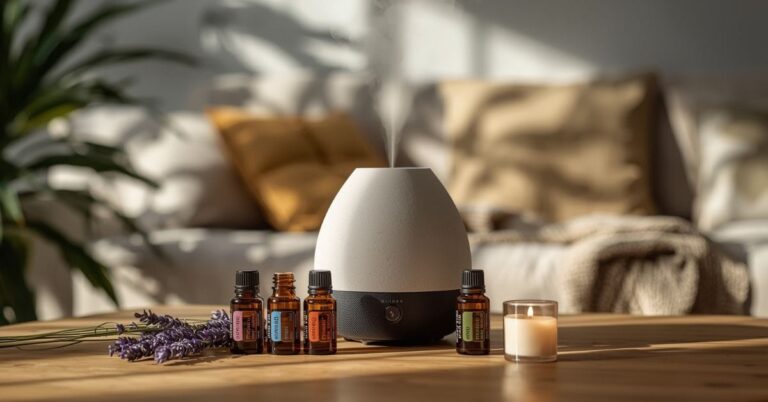
Using a diffuser allows scent to gently fill the room, creating an ambient atmosphere that supports rest. Diffusion works best when started earlier in the evening rather than at bedtime itself. Introducing aromatherapy oils for sleep thirty to sixty minutes before bed gives the nervous system time to register the signal and begin winding down.
This method suits people who want scent to be part of the overall environment rather than focused on the body.
Topical application
Topical application allows scent to stay close to the body, where natural warmth helps release it gradually throughout the evening. Common application areas include the chest, wrists, or soles of the feet. This method creates a more personal experience, making the fragrance feel grounding rather than atmospheric.
Many topical formats are already properly blended and designed for direct skin use, which is why they are often preferred by those who find room-based scent distracting or who want a more intimate experience, particularly when using massage oils designed for evening rituals.
Room and linen sprays
Room or linen mists offer a simple way to shift the feel of a space without the ongoing presence of a diffuser. A light misting before bed can quickly signal that the environment is changing from active to restful. This option works well for people who want flexibility or who share a sleeping space.
Bath and pre-bed rituals
Warm water combined with scent creates a strong sensory cue that the day is ending. Incorporating aromatherapy oils for sleep into an evening bath or shower routine can help bridge the transition between daytime activity and rest. This method works best when paired with reduced lighting and minimal stimulation.
Whichever method you choose, consistency matters more than complexity. Using the same aromatherapy oils for sleep in the same way each evening helps the body recognise the pattern and respond more easily over time.
Why Consistency Matters More Than Strength
When it comes to aromatherapy oils for sleep, using more oil or choosing a stronger scent does not usually lead to better results. In fact, overly intense fragrances can feel stimulating or distracting, working against the body’s ability to settle.
The nervous system responds best to patterns it recognises. When the same scent appears at roughly the same time each evening, the body begins to associate that aroma with rest. Over time, this repetition turns fragrance into a cue rather than a novelty. The scent no longer needs to be analysed. It is simply recognised as part of winding down.
This is why consistency matters more than potency. A gentle aroma used regularly is more effective than a powerful scent used occasionally. Familiarity creates safety, and safety allows the body to let go of alertness.
Changing oils frequently can interrupt this learning process. Even high-quality aromatherapy oils for sleep need time to build association. Sticking with one blend or scent profile for several evenings allows the nervous system to respond more easily and with less effort.
Rather than focusing on how strong an oil smells, it is more helpful to notice how your body responds over time. If a scent makes you feel slower, heavier, or more grounded after repeated use, it is doing its job. Sleep support comes from recognition, not intensity.
Choosing Aromatherapy Oils for Sleep That Feel Right for You
There is no single formula for which aromatherapy oils for sleep work best. While certain oils are commonly associated with rest, the most important factor is how your body responds to a scent over time. What feels calming to one person may feel distracting or overwhelming to another.
When choosing aromatherapy oils for sleep, pay attention to how a fragrance makes you feel within the first few minutes, and again after repeated use. Scents that support rest tend to feel grounding rather than sharp. They often create a sense of heaviness, warmth, or emotional ease instead of alertness or mental stimulation.
Personal history also plays a role. Familiar scents are often more effective because the nervous system already associates them with comfort or safety. If a particular aroma has been present during calm moments in your life, it is more likely to support rest now. Conversely, a scent linked to stress, activity, or strong memories may interfere with sleep, even if it is commonly recommended.
Blends can be helpful when single oils feel too flat or one-dimensional. Layered scents unfold gradually, starting lighter and settling into deeper notes, which mirrors the way the body unwinds in the evening. This progression can make aromatherapy oils for sleep feel more supportive over time.
Above all, trust your experience. If a scent helps you feel slower, quieter, and more settled after repeated use, it belongs in your evening routine. If it feels activating or distracting, it does not. The right aromatherapy oils for sleep are not the ones with the strongest reputation, but the ones your body recognises as a signal that the day is done.