
Choosing Intimate Care Products That Respect the Body
Intimate care products are often chosen in moments where comfort matters more than performance. Sensitivity, trust, and ease tend to guide the decision, even if we do not consciously name them at the time.
When intimate care products are designed with the body in mind, they tend to support presence rather than distraction.
Yet the category itself can feel confusing. Labels promise results, ingredients lists feel overwhelming, and many products focus on sensation before considering how the body actually responds over time.
Choosing intimate care products that respect the body begins with a shift in perspective. Rather than asking what a product claims to do, it helps to consider how it supports the skin, the nervous system, and the experience of touch itself.
When care feels considered and compatible, intimacy becomes less about managing discomfort and more about presence, connection, and confidence.
Why Ingredient Awareness Matters in Intimate Care
The skin in intimate areas is more responsive than most other parts of the body. It absorbs more readily, reacts more quickly, and often signals discomfort before the mind has time to rationalise it.
Because of this, ingredient awareness plays a meaningful role in intimate care products, especially those used for sensitive skin and intimate touch. What feels acceptable on hands or legs may behave very differently when used for intimate touch. Products designed without this understanding can create irritation, dryness, or a sense of distraction that interrupts the experience entirely.
Intimate care products that respect the body tend to focus on compatibility rather than intensity. They are formulated to support natural balance, minimise unnecessary additives, and feel predictable rather than surprising on the skin.
For many people, this awareness becomes especially important during periods of hormonal change, heightened sensitivity, or recovery from irritation. In these moments, gentler formulations often feel less demanding and more supportive, allowing comfort to return without effort.
Natural Formulations and the Body’s Response
Natural formulations are often misunderstood as being simplistic or trend driven. In intimate care, their value lies not in what they exclude, but in how they interact with the body.
When a product is designed to work with the skin’s natural chemistry, it is more likely to feel intuitive rather than intrusive. Texture settles more easily, absorption feels balanced, and the body does not have to adjust or compensate. This can make a noticeable difference to how relaxed or present someone feels during intimate moments.
The nervous system also plays a role in how products are experienced. A formulation that feels gentle and familiar allows attention to remain on touch and connection, rather than on managing sensation or discomfort.
Over time, products that support the body rather than override it tend to build trust. They become part of a routine that feels supportive and reliable, rather than something used sparingly or with caution.
Comfort Is Not One Size Fits All
Comfort in intimate care is not fixed or universal. It shifts depending on the body, the moment, and what someone is navigating in their life. What feels supportive one day may feel different another, and this variation is not a failure of the product or the person using it.
Some people are drawn to lighter textures that feel barely there. Others prefer formulations that feel more grounding and substantial. These preferences can be influenced by skin sensitivity, emotional state, environment, and past experiences with intimacy or touch.
Rather than relying on claims or comparisons, many people find it more useful to listen to how their body responds. Subtle cues such as ease, warmth, or relaxation often offer clearer guidance than labels or promises.
When intimate care products are chosen with this awareness, they are more likely to feel supportive over time, adapting naturally to changing needs rather than forcing consistency.
The Role of Touch, Texture, and Presence
Intimate care is often discussed in terms of function, yet much of its impact is felt through sensation and awareness. Touch is not experienced in isolation. It is shaped by texture, pacing, and the emotional context in which it occurs.
Touch is shaped not only by texture and pacing, but by how the body responds to sensation, which can shift depending on context, awareness, and emotional safety. A lighter texture may invite ease and movement, while a richer formulation can encourage slower, more intentional contact. Neither approach is better. Each creates a different rhythm and supports different experiences of closeness.
Scent, warmth, and absorption also affect presence. When these elements feel balanced, attention is less likely to drift toward managing sensation. Instead, focus remains on connection, responsiveness, and shared awareness.
In this way, intimate care products become part of the atmosphere rather than the centre of attention. They support the moment without demanding it.
Choosing Products That Support Ongoing Wellbeing
Intimate care products are often used repeatedly, sometimes over long periods of time. Because of this, how they interact with the skin beyond the first use matters. Over time, intimate care products that prioritise comfort and compatibility tend to be those that the body does not have to recover from.
Ongoing wellbeing is supported when formulations feel consistent, wash away easily, and do not leave the skin feeling coated, irritated, or depleted. These qualities can make intimate care feel less like an interruption and more like a natural extension of touch and self care.
Many people are drawn to pleasure oils designed for versatility, those that support massage, skin nourishment, and intimate moments without the need for multiple formulas. This simplicity can reduce decision fatigue and allow intimacy to unfold more naturally.
When care feels sustainable rather than situational, it becomes easier to trust. Products chosen with long term comfort in mind often fade into the background, quietly supporting connection rather than demanding attention.
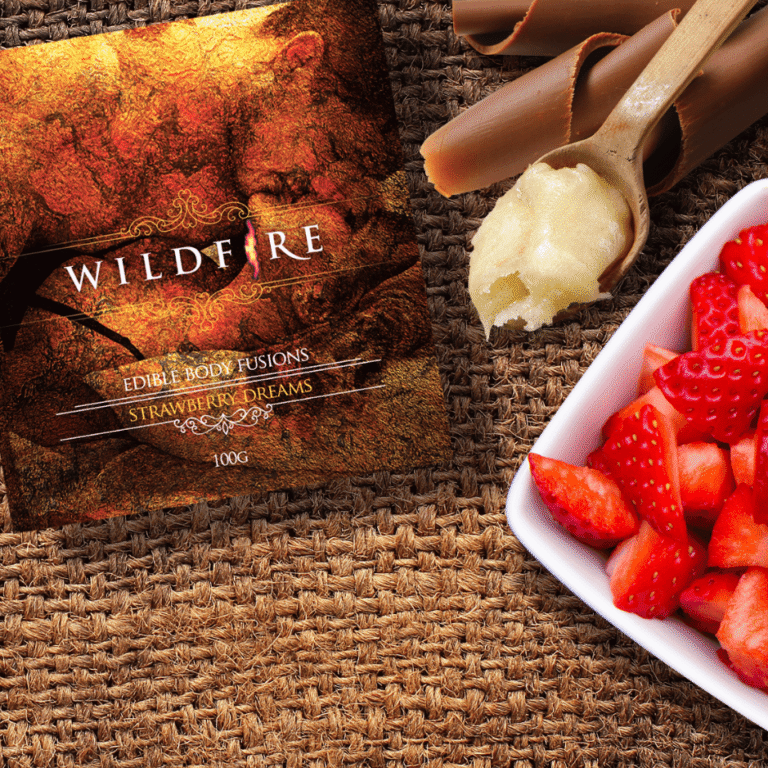
Where Wildfire Fits Into Intimate Care Choices
At Wildfire, intimate care is approached as part of a wider relationship with the body, with others, and with oneself. The focus is not on creating urgency or promising outcomes, but on supporting moments of closeness in a way that feels grounded and respectful.
Our products are created to feel intuitive rather than prescriptive. They are designed to support touch without overpowering it, allowing individuals and couples to remain present with their own rhythms and responses.
This approach recognises that intimacy is not static. Needs change, sensitivity fluctuates, and connection evolves over time. Products that respect this fluidity tend to feel less demanding and more adaptable, meeting people where they are rather than where they think they should be.
Whether used alone or shared, intimate care becomes most meaningful when it supports confidence and ease, creating space for connection without expectation.
Making Choices That Feel Right for You
Choosing intimate care products is a personal process. It often involves curiosity, attention, and a willingness to listen to subtle responses rather than seeking certainty or comparison.
What feels supportive is not always obvious at first. Many people discover that comfort reveals itself over time, through consistency rather than intensity. Products that respect the body tend to earn trust quietly, becoming part of moments that feel natural rather than performative.
By prioritising ingredient awareness, emotional ease, and long term comfort, intimate care can shift from something that needs managing to something that simply supports connection.
When choices are guided by how the body responds, rather than by claims or expectations, intimacy is given room to unfold on its own terms.