
The Quiet Power of Touch and Intimacy in Lasting Relationships
Intimacy rarely ends with a moment. It doesn’t arrive with a dramatic rupture or a single decision to disconnect. More often, it fades quietly — absorbed into long workdays, late dinners, shared calendars, and the steady hum of responsibility. You don’t notice it leaving at first. You only realise one day that it’s been a while since you were truly touched.
Not brushed past in the hallway. Not reached for out of habit. But touched with presence — with intention — the kind that makes you feel seen rather than needed.
In many relationships, especially long-term ones, intimacy becomes something assumed rather than protected. You still care deeply. You still show up. Life continues. But closeness begins to thin out, stretched between commitments and quiet exhaustion. Conversations become functional. Affection becomes abbreviated. And slowly, almost imperceptibly, something essential moves just out of reach.
This isn’t a failure of love. It’s a consequence of modern life — and in Australia, it’s amplified by a culture that values resilience, independence, and getting on with things. We’re good at pushing through. Less practised at pausing. Even less comfortable with admitting that something as intangible as intimacy might need tending.
You may still share a bed. You may still share plans, routines, even jokes. But intimacy isn’t built on proximity alone. It lives in attention. In presence. In the quiet spaces where you allow yourself to soften rather than perform.
What’s often misunderstood is that intimacy doesn’t disappear because desire fades. It fades because touch becomes transactional — or disappears altogether. Because being busy starts to feel more legitimate than being close. Because the body stops being a place of connection and becomes something managed, rushed, or ignored.
And yet, touch remains one of the few languages that doesn’t require explanation. Long before intimacy is articulated, it is felt. The body understands safety, care, and attunement in ways the mind often can’t reach. This is why physical touch — particularly slow, intentional touch — has always played a central role in human bonding.
In moments of stress, uncertainty, or emotional distance, the body doesn’t respond to logic. It responds to sensation. To warmth. To contact that says, without words, you are here, and so am I.
This is where sensual massage enters the conversation — not as a technique, and not as a solution to be optimised, but as a ritual of return. A way back into presence. A way of reconnecting with your own body before asking anything of another.
Massage, when approached with care rather than outcome, creates a rare permission to slow down. To give and receive attention without expectation. To allow touch to exist for its own sake, especially when it takes the form of a deeply relaxing massage. It becomes a pause in the relentless forward motion of daily life — a space where intimacy is felt rather than negotiated.
For many people, especially those navigating demanding careers, parenting, or emotional fatigue, this kind of touch feels unfamiliar at first. Vulnerability often does. But vulnerability doesn’t begin with confession. It begins with allowing yourself to be held — even briefly — without needing to explain why.
In recent years, more Australians have begun to recognise that intimacy isn’t something you wait for. It’s something you practice. And like any practice, it requires space, intention, and tools that support rather than distract from the experience.
This is why products designed specifically for intimacy — such as thoughtfully formulated massage oils — have found a place not just in bedrooms, but in broader conversations about wellbeing and connection. When touch is supported by sensory cues — texture, scent, warmth — it becomes easier to stay present. Easier to remain embodied. Easier to let go of the constant mental inventory that follows us into even our most private moments.
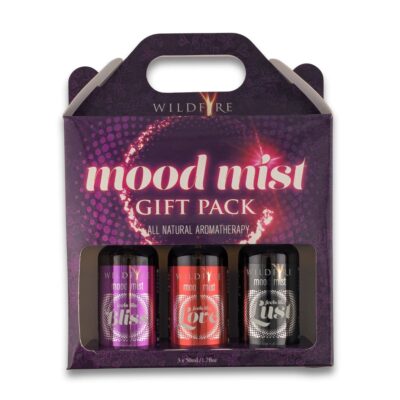
At Wildfire, this understanding has shaped every formulation. Our range of sensual massage oils was created not to instruct intimacy, but to support it — to act as a quiet invitation to slow down and reconnect with sensation. The oil itself becomes part of the ritual, signalling that this moment is different from the rest of the day.
But intimacy is not something a product can create on its own. It begins earlier — in the recognition that something deserves care. That connection is not indulgent. That closeness is not a luxury reserved for when life calms down.
For many, the first step back into intimacy is not with another person, but with themselves. Noticing where tension lives. Where touch feels foreign. Where presence has been replaced by distraction. Before intimacy can be shared, it must be felt — internally, honestly, without judgement.
This is where the story of intimacy really begins. Not with grand gestures or dramatic change, but with the quiet decision to return to the body — and to what it remembers about closeness, safety, and care. But returning to the body is only the beginning. Once attention shifts back to touch, many couples discover that intimacy didn’t vanish — it thinned. Gradually, quietly, and without conflict. To understand how intimacy fades, it’s necessary to look not at what goes wrong, but at what slowly stops happening.
When intimacy starts to thin
Intimacy rarely disappears all at once.
It thins. Quietly. Almost politely.
It’s the first thing to be postponed when life gets busy. A hand that doesn’t quite reach for another. A kiss that lands on a cheek instead of lips. Touch that becomes functional — a squeeze past in the hallway, a pat on the back — rather than intentional.
For many Australian couples, this shift happens in plain sight. Work hours stretch. Screens fill the evenings. Bodies share a bed, but not presence. And because nothing dramatic has happened — no betrayal, no crisis — the distance is easy to dismiss. We’re just tired. This is normal. We’ll get back to it.
But intimacy doesn’t wait patiently. It responds to attention, not intention.
What fades first is rarely sex. It’s ease. The comfort of being touched without expectation. The safety of closeness that doesn’t require performance. When touch becomes something that must lead somewhere, or be justified, it stops being restorative. And without realising it, couples begin avoiding it altogether.
This is often the point where people start asking the wrong question.
Not How do we feel close again?
But What’s wrong with us?
What often goes unnoticed in these moments is that intimacy hasn’t disappeared because desire is gone, or because partners are incompatible. More often, it has been interrupted at a physiological level. Before intimacy can be restored emotionally, the body itself needs to feel safe enough to receive it again.
The problem isn’t desire — it’s nervous systems
Modern intimacy conversations tend to focus on libido, compatibility, or communication. All important, but incomplete. What they often overlook is the role of the nervous system.
Stress doesn’t just live in the mind. It settles into the body. Tight shoulders. Shallow breathing. Jaws held tense long after the workday ends. When the nervous system is locked in a low-grade state of alert, the body isn’t receptive to closeness — no matter how much the mind wants it.
This is why conversations alone can feel exhausting rather than connective. Why date nights sometimes feel like another item on the calendar instead of something nourishing. And why even affectionate partners can feel oddly disconnected despite genuine care for one another.
The body needs to feel safe before intimacy can feel natural.
This is why physical touch plays such a central role in intimacy — not as an accessory to emotional connection, but as one of its foundations. When touch is slow, intentional, and free of expectation, it communicates safety in a way words often cannot.
Touch — slow, unhurried, non-demanding touch — is one of the fastest ways to communicate that safety.
Not touch as a signal.
Not touch as foreplay.
But touch as reassurance.
Why touch changes things words can’t
There is something deeply regulating about being touched with intention. Not hurried. Not distracted. Not multitasking.
When one person gives their full attention to another’s body, the message is unmistakable: you are here, and I am with you.
This kind of touch does something conversations often can’t. It bypasses analysis. It softens defences without asking them to lower. Breathing slows. Muscles release. The body remembers what it feels like to be held without expectation.
For couples who feel emotionally close but physically distant, touch can re-open a pathway that words no longer reach. For couples who feel physically connected but emotionally misaligned, it can create space for softness and vulnerability without confrontation.
And for couples who feel stuck somewhere in between, touch can simply remind them that they still belong in each other’s presence.
This is often where sensual massage begins to matter — not as a solution, but as a way of restoring attention.
Understanding the role of touch is only part of the picture. What ultimately determines whether intimacy deepens or retreats is not touch itself, but the quality of attention behind it. The same physical contact can feel connective or depleting depending on how it is offered.
The intimacy of intention
Massage doesn’t have to be elaborate. It doesn’t need a spa setting or a rulebook. What matters isn’t technique — it’s intention.
The act of warming oil between the hands.
The pause before the first touch.
The decision to stay, rather than rush.
These small rituals signal a shift. From daily life into shared space. From doing into being.
When touch is accompanied by scent, warmth, and rhythm, the body responds more fully. Aromatic oils deepen this experience not because they are “sensual” in a performative sense, but because scent is memory. It anchors the moment. It creates association.
Over time, the body begins to recognise these cues. The nervous system relaxes more quickly. Presence comes easier. The ritual itself becomes familiar — something to settle into, rather than something to initiate.
This is where Wildfire’s presence naturally lives — not as a product to fix intimacy, but as a tool that supports slowness, continuity, and ease. Oils that feel considered. Scents that don’t shout. Textures that invite lingering rather than rushing.
Nothing theatrical. Nothing forced.
Just support for a moment that’s already meaningful.
Relearning closeness without pressure
One of the quiet reasons couples stop touching is fear of mismatch. One person worries touch will lead somewhere they’re not ready for. The other worries that not leading somewhere means rejection.
Massage gently dissolves this tension because it reframes touch as complete in itself.
When couples agree — even implicitly — that this time is about connection, not outcome, something softens. Touch becomes generous again. Receiving becomes easier. Giving becomes less loaded.
Paradoxically, this often creates more desire, not less. When pressure lifts, curiosity returns. When safety is restored, bodies open naturally.
Even when it doesn’t lead anywhere else, something still happens.
People sleep better. Conversations feel lighter. The space between partners feels less sharp. The relationship feels inhabited again.
Over time, moments like these begin to change how couples relate to intimacy itself. What starts as a single experience slowly becomes something more familiar — something that no longer needs perfect conditions to exist.
Not a performance — a practice
Intimacy isn’t sustained by grand gestures. It’s sustained by small, repeatable moments that reinforce a sense of us.
This is why touch works so well as a practice. It doesn’t require the right mood. It creates it. It doesn’t demand energy. It generates it.
As intimacy shifts from something occasional into something practised, the body begins to respond differently. Connection is no longer experienced as an event, but as a familiar state — one the nervous system recognises and settles into more easily each time.
Once the body begins to recognise intimacy as familiar rather than effortful, pace naturally becomes central. Slowness is no longer something couples have to force; it becomes the condition that allows presence to deepen without resistance.
And unlike many relationship “tools”, it doesn’t ask couples to explain themselves, analyse their patterns, or fix each other. It simply asks them to show up — hands present, attention intact.
In Australian relationships especially, where independence is prized and emotional expression is often understated, this kind of embodied connection feels natural rather than contrived. It aligns with a culture that values action over exposition. Care over commentary.
You don’t have to talk about intimacy to build it.
Sometimes, you just need to stay.
What the body remembers
The body is far less interested in explanations than the mind.
It remembers tone. Pace. Temperature. Whether touch arrives gently or abruptly. Whether it stays long enough to feel trustworthy.
This is why intimacy can feel elusive even when nothing is “wrong.” The body hasn’t been invited back into the relationship. It has learned efficiency instead — how to move through days without pausing, how to sleep without settling, how to share space without sinking into it.
Touch, when it returns slowly and without demand, reintroduces the body to the relationship as a place of safety rather than obligation.
Not all at once. But layer by layer.
The difference between contact and connection
Most couples touch each other every day.
They brush past in kitchens. Sit shoulder to shoulder on couches. Sleep inches apart. And yet, much of this contact is incidental — not felt deeply enough to register as connection.
Connection requires presence.
It requires touch that isn’t distracted by phones, by mental lists, by the next thing waiting to be done. It requires hands that are listening as much as they are moving.
This is why massage feels different from casual affection. It asks for attention. It slows the pace of interaction until the body can actually feel what’s happening.
When touch becomes deliberate, the body begins to soften its guard. Muscles release not just tension, but habit. Breathing deepens. The nervous system shifts from vigilance to receptivity.
Connection follows.
Slowness as intimacy
Speed is the enemy of presence.
Many couples don’t lack desire — they lack time to arrive in their own bodies. They move from work to home to bed without transition, carrying the residue of the day straight into the space meant for closeness.
Slowness creates a threshold.
The act of warming oil between the palms. The first long stroke down the back. The pause to notice breath, skin, response. These are not small things. They are signals.
You don’t need to be anywhere else.
You don’t need to perform.
You can stay.
This is where intimacy deepens — not through intensity, but through permission.
The quiet power of ritual
Ritual doesn’t need to be ceremonial to be effective.
It simply needs to be repeatable.
When couples create a familiar rhythm around touch — the same evening each week, the same gentle preparation, the same settling into shared time — the nervous system begins to anticipate safety. Relaxation arrives faster. Trust deepens without effort.
Over time, even the smallest cues can initiate this shift. A particular scent. The feel of oil warming on skin. The sound of breathing slowing together.
This is why sensory details matter.
Not because they are decorative, but because they anchor the body in the present moment. Scent, especially, bypasses logic. It speaks directly to memory and emotion.
When intimacy has a sensory signature, the body learns where it belongs.
As intimacy becomes something couples return to rather than plan for, the materials that support these moments begin to matter — not because they create connection, but because they help protect the quality of attention required to sustain it.
Wildfire, without spectacle
Some products announce themselves loudly. Others understand restraint.
Wildfire sits quietly in the latter category — present without intruding. Oils that don’t demand attention, but reward it. Scents that feel warm and grounded rather than performative. Textures that encourage lingering rather than rushing.
The intention is not to turn intimacy into an event, but to support its continuity. To make it easier to stay present. Easier to keep hands connected. Easier to let moments stretch rather than collapse back into habit.
Nothing about it insists.
It simply holds space.
Touch without expectation
One of the most transformative shifts couples can make is removing outcome from touch.
When touch always leads somewhere, it stops feeling safe. When it is allowed to be complete in itself, it becomes generous again.
Massage offers this reset.
It allows one partner to give without anticipating response. It allows the other to receive without managing expectation. Both roles are clear. Both are contained.
This clarity is deeply reassuring.
And from that reassurance, desire often re-emerges — not because it is demanded, but because the conditions for it are restored.
Presence as the real luxury
In a culture saturated with stimulation, presence has become rare.
To be fully with another person — not half-checking, not half-planning — feels almost indulgent now. And yet, it is exactly this quality of attention that intimacy requires.
Massage, at its best, is an exercise in presence. It asks the giver to stay attuned. It asks the receiver to stay open. It brings both people into the same moment, without distraction.
This is not about technique.
It’s about showing up — again and again — with hands that are willing to stay long enough for something real to happen.
Not fireworks.
Connection.
The kind that doesn’t announce itself, but quietly reshapes the space between two people.
Why intimacy feels harder now
For many Australian couples, intimacy hasn’t disappeared — it’s been crowded out.
Work spills into evenings. Phones stay within reach. Even rest becomes something to optimise rather than experience. The result isn’t a lack of love, but a nervous system that never quite powers down.
Intimacy requires a different internal state than productivity. It asks for slowness, attunement, and a willingness to be affected by another person. These qualities are difficult to access when the body remains on alert.
This is why intimacy often feels like something couples must “work on,” rather than something they naturally return to. The conditions that allow it to surface are no longer default.
Touch, when used intentionally, becomes a way back.
The nervous system beneath desire
Desire is often discussed as chemistry or compatibility, but its foundations are physiological.
The body needs to feel safe before it can feel open. When stress hormones remain elevated, the nervous system prioritises vigilance over receptivity. Touch that arrives too quickly, or with expectation attached, can feel overwhelming rather than inviting.
Sensual massage operates differently. It works beneath cognition, communicating safety through rhythm, pressure, and consistency. Long strokes signal continuity. Warmth signals care. Repetition signals reliability.
Over time, these cues retrain the body’s expectations. Intimacy stops feeling like another demand and begins to feel like relief.
Vulnerability without exposure
One of the quiet barriers to intimacy is the discomfort many people feel around vulnerability.
Being emotionally open can feel risky. Being physically seen can feel exposing. Massage offers a gentler entry point — vulnerability without performance.
When one partner lies back and receives touch, they are not required to speak, explain, or respond. When the other gives, their role is clear and contained. Both are held by structure.
This structure makes vulnerability feel manageable. It lowers the stakes while deepening the experience.
Over time, this ease carries beyond the massage itself. Conversations soften. Eye contact lingers. The relationship feels less defended.
Intimacy as a shared language
Every couple develops a private language.
Inside jokes. Familiar gestures. The way one person reaches for the other without thinking. Touch, when practiced with intention, becomes part of this language — a way of communicating care without words.
Sensual massage doesn’t replace verbal intimacy. It supports it. It allows connection to continue even on days when words feel heavy or inadequate.
In this way, intimacy becomes less about expression and more about presence.
When intimacy is no longer scheduled
Many couples attempt to protect intimacy by scheduling it.
While intention matters, intimacy rarely thrives under obligation. What sustains it is familiarity — the knowledge that closeness is available, not rationed.
Regular touch rituals help shift intimacy from an event into an environment. Something the relationship lives inside, rather than something it occasionally visits.
This is where continuity matters more than intensity.
A quiet massage on a weeknight. Ten minutes of unhurried touch before sleep. A shared moment that asks for nothing beyond attention.
These moments accumulate. And slowly, intimacy stops feeling fragile.
The long view of connection
Intimacy is not static. It changes as bodies change, as lives expand, as seasons shift.
What sustains it is not novelty, but responsiveness — the ability to meet each other as you are now, rather than as you once were.
Touch remains one of the most adaptable tools couples have. It doesn’t require explanation. It doesn’t depend on circumstance. It simply asks that two people be willing to arrive.
In that arrival, again and again, intimacy finds room to breathe.
Desire as something chosen
Desire is often treated as a spark — something that either appears or doesn’t.
In the early stages of a relationship, this framing feels accurate. Attraction is spontaneous. Bodies respond quickly. Curiosity carries its own momentum. But over time, desire changes its character. It becomes quieter. More contextual. Less reactive to novelty and more responsive to care.
This is where many couples feel confused.
They wait for desire to return in its original form, not realising it has simply matured. What once arrived uninvited now asks to be welcomed.
Intimacy, in long-term relationships, is less about ignition and more about choice.
Choosing closeness again and again
Choice does not mean effort in the sense of strain. It means attention.
It means noticing when distance has crept in, not as a problem to solve, but as a signal to respond. It means recognising that closeness does not maintain itself automatically — it is renewed through small, repeated acts of presence.
Touch plays a central role here because it bypasses negotiation. It doesn’t require the right words or the right mood. It simply asks for willingness.
When couples choose touch even when desire feels muted, something subtle happens. The body begins to remember its own responsiveness. Desire follows experience, not the other way around.
Letting go of performance
One of the most unspoken pressures around intimacy is the expectation to perform.
To be confident. To be responsive. To feel something immediately. These expectations create distance rather than closeness, particularly when bodies are tired, stressed, or changing.
Sensual massage removes this pressure.
There is no requirement to respond in a particular way. No narrative to follow. No escalation to manage. The experience is complete in itself.
This absence of performance allows the body to soften honestly. Sensation becomes something to notice rather than achieve. Pleasure becomes spacious rather than goal-oriented.
In that space, intimacy begins to feel less fragile.
How intimacy adapts over time
Every relationship carries multiple versions of intimacy.
The intimacy of early attraction. The intimacy of shared history. The intimacy that emerges after disappointment, stress, or change. None of these replace the others — they layer.
Touch adapts easily to these shifts. It can be playful or grounding. Restorative or exploratory. It can meet bodies where they are, without asking them to return to who they once were.
This adaptability is what makes touch such a reliable anchor over time. It allows intimacy to evolve without needing reinvention.
Desire as a response, not a demand
When intimacy is treated as something that must happen, it resists.
When it is treated as something that can be invited, it responds.
Massage creates this invitation through rhythm and continuity. It allows desire to emerge naturally, without being summoned or scrutinised. It restores trust in the body’s timing.
For many couples, this is the shift that changes everything. Desire stops feeling like a test and starts feeling like a conversation.
Staying with what is present
Intimacy does not require ideal conditions.
It does not require perfect timing, flawless communication, or uninterrupted weekends away. It requires a willingness to stay with what is present — tired bodies, busy minds, imperfect moments.
Touch helps couples do this. It keeps connection grounded in the real rather than the imagined.
And over time, this groundedness becomes its own kind of desire — steady, reliable, and deeply felt.
When intimacy becomes a shared language
Over time, intimacy stops being something couples talk about and becomes something they recognise.
It shows up in how easily bodies relax around each other. In how silence no longer feels like distance. In the way touch becomes instinctive rather than negotiated.
This is what happens when intimacy is practised rather than discussed.
Sensual massage plays a quiet but powerful role in this shift. It creates a shared physical vocabulary — a way of communicating care, attention, and presence without needing explanation. The body learns what safety feels like. What attentiveness feels like. What being met, rather than managed, feels like.
And once that language exists, couples return to it easily.
The role of ritual in modern relationships
Ritual has largely disappeared from modern adult relationships.
Not because it lacks value, but because it has been misunderstood as something formal, spiritual, or outdated. In reality, ritual is simply repetition with intention.
It is what tells the nervous system: this matters.
Weekly massage sessions, unhurried evenings, or even the familiar act of warming oil between the hands before touching skin all function as modern intimacy rituals. They create rhythm. They create reliability. They signal that connection is not accidental.
For many couples, this is where Wildfire naturally enters the picture — not as a solution, but as a companion to ritual.
Why the medium matters
The materials we choose shape our experience more than we realise.
Generic oils feel interchangeable. Functional. Forgettable. They serve a purpose, but they don’t carry meaning.
In contrast, products chosen specifically for intimacy take on symbolic weight. They mark the moment as distinct from the rest of life. They tell both partners: this time is different.
This is why couples gravitate toward sensual massage oils rather than household substitutes. The texture, the scent, the way the oil moves across skin — all of it contributes to an experience that feels intentional rather than improvised.
Over time, these sensory cues become deeply associated with closeness. The scent alone can soften the body. The feel can trigger relaxation before the first stroke begins.
Touch as a way back to the body
Modern life pulls attention upward — into thought, planning, productivity.
Intimacy pulls it back down.
Massage invites both partners into their bodies at the same time. One through sensation. The other through movement and responsiveness. It anchors connection in the present moment, away from screens, schedules, and external demands.
This shared embodiment is rare — and increasingly valuable.
Couples who prioritise physical presence often find emotional presence follows naturally. The body leads. The mind catches up.
Why couples return to this practice
Not because it fixes anything.
But because it sustains something.
Massage doesn’t ask couples to analyse their relationship or articulate what feels missing. It simply creates the conditions where connection can happen again.
This is particularly true when using oils formulated for intimacy rather than general use. Wildfire’s pleasure oils are designed to be slow, nourishing, and body-safe across intimate areas, allowing touch to unfold naturally without interruption or hesitation.
The practice becomes something couples return to not during crisis, but during normal life — as maintenance rather than repair.
Intimacy without urgency
One of the most meaningful shifts couples experience is the removal of urgency.
There is no need for intimacy to lead anywhere. No outcome to justify the time spent. The experience is complete on its own.
This lack of pressure is what allows closeness to deepen.
Desire that emerges from ease lasts longer than desire that emerges from tension. Touch that is given freely is remembered differently by the body.
And when intimacy is no longer rushed, it becomes something couples trust.
Staying connected without effort
Effort suggests strain.
Presence suggests availability.
Massage sits firmly in the second category. Once it becomes familiar, it does not feel like work. It feels like returning.
Returning to the body. To each other. To a version of connection that is quiet, steady, and deeply human.
This is not intimacy as performance or intensity. It is intimacy as continuity.
And for many couples, it is exactly what lasts.
Why this matters in Australian relationships
Intimacy doesn’t disappear in Australian relationships because love fades.
It disappears because life fills up.
Long commutes. Physical exhaustion. Emotional self-reliance. A cultural habit of coping quietly rather than reaching outward. These aren’t flaws — they are characteristics of how many Australians move through the world.
But they come with a cost.
Couples often remain deeply loyal, committed, and functional while slowly drifting from embodied closeness. They share responsibility well. They communicate efficiently. They manage households, careers, and families with competence.
What quietly slips away is softness.
The intimacy gap no one talks about
Many Australian couples don’t feel disconnected enough to sound the alarm, even as emotional distance quietly settles in..
They still care. They still show up. They still choose each other.
But intimacy becomes something remembered rather than lived.
This gap is subtle. It doesn’t announce itself through conflict or crisis. It appears in the absence of unprompted touch. In bodies that no longer fully relax together. In evenings that default to parallel rest rather than shared presence.
Because there is no obvious problem, there is also no obvious solution.
This is where physical practices matter.
Why touch works when words don’t
Australians are practical communicators.
We value clarity, understatement, and action over prolonged emotional processing. While this serves us well in many areas of life, it can make verbal intimacy feel awkward, forced, or unnecessary — even when emotional connection is deeply desired.
Touch bypasses this barrier.
Massage allows connection without explanation. Care without performance. Vulnerability without exposure.
It gives couples permission to reconnect physically without needing to articulate what feels missing or why.
This is not avoidance. It is intelligence.
Intimacy that fits real life
The most sustainable forms of intimacy are the ones that integrate seamlessly into daily life.
Not the ones that require transformation, travel, or emotional reinvention — but the ones that meet people where they already are.
Massage fits.
It doesn’t demand extroversion. It doesn’t require novelty-seeking. It doesn’t depend on confidence or performance. It simply asks for presence.
For couples balancing work, family, fatigue, and mental load, this matters. Intimacy must feel possible, not aspirational.
This is why practices grounded in the body endure when others fall away.
The quiet confidence of embodied connection
There is a particular kind of confidence that emerges when couples are physically attuned.
Not performative confidence. Not intensity. But steadiness.
It shows in how partners move around each other. In how easily they share space. In how little reassurance is required because the body already knows it is safe.
This kind of intimacy doesn’t need constant expression. It is felt.
And once established, it becomes self-reinforcing.
When intimacy becomes maintenance, not repair
Most couples wait until something feels wrong before addressing intimacy.
By then, effort is heavier. Expectations are louder. Pressure creeps in.
Practices like sensual massage change this dynamic entirely.
They position intimacy as maintenance — something attended to regularly, calmly, without urgency.
This reframing removes the emotional weight that often makes intimacy feel fraught. It becomes normal. Expected. Quietly valued.
And because it is not tied to problem-solving, it remains accessible even during good periods — especially during good periods.
A distinctly Australian form of closeness
Australian intimacy tends to be understated.
Less verbal. Less ceremonial. More physical. More practical.
Care is shown through actions rather than declarations. Through consistency rather than intensity.
Massage aligns naturally with this expression of connection.
It doesn’t require dramatic language or emotional display. It allows intimacy to be felt rather than explained.
For many couples, this feels not only comfortable — but authentic.
Preparing the ground for what lasts
Intimacy that endures is rarely built through moments alone.
It is built through repetition. Through familiarity. Through the quiet accumulation of being met, again and again.
This is the kind of closeness that doesn’t fade when novelty wears off.
It doesn’t rely on passion spikes or emotional intensity. It rests on something deeper: the body’s memory of safety, attention, and care.
From here, the conversation naturally turns toward how couples sustain this over time — not just how they begin.
And that is where the final movement begins.
Intimacy over time
Early intimacy announces itself loudly. It is fuelled by novelty, chemistry, and the heightened awareness that comes with being newly seen by another person. Desire arrives quickly, often without invitation, driven by adrenaline and curiosity rather than familiarity.
But intimacy that lasts does something quieter. As relationships move through years rather than moments, connection shifts away from urgency and toward continuity. Desire doesn’t disappear — it changes form. It becomes steadier, less performative, and often more meaningful. What replaces intensity is not absence, but depth.
This transition is often misunderstood as loss. In reality, it is evolution.
When novelty fades, presence remains
Many couples mistake the fading of novelty for the fading of intimacy. What they are actually experiencing is the end of adrenaline-driven connection — the chemical intensity that naturally accompanies newness. Dopamine thrives on uncertainty; familiarity offers something different.
Familiarity offers safety.
And safety is what allows the body to relax fully. It allows nervous systems to settle rather than stay alert. It creates the conditions where closeness can exist without effort.
This is why sensual massage becomes increasingly powerful as relationships mature. It does not rely on surprise or performance. It relies on attentiveness. Touch becomes less about discovery and more about responsiveness — knowing how a body reacts, where it softens, and what it needs in that moment.
The intimacy deepens not through intensity, but through understanding.
Bodies change, and intimacy must adapt
Time changes bodies, whether we acknowledge it or not. Energy levels fluctuate. Sensitivity evolves. Stress accumulates in new places. What once felt exciting may begin to feel overwhelming, while what once felt ordinary becomes essential.
Long-term intimacy is not about recreating earlier versions of desire. It is about listening to the body as it exists now. This requires adaptability, not nostalgia.
Massage offers a way to stay physically connected through these changes without pressure or expectation. It meets the body where it is, rather than where it used to be. Touch becomes a form of communication — responsive, flexible, and grounded in present reality.
For many couples, this adaptability is what allows intimacy to continue rather than quietly stall.
The value of slow connection
Slowness is often misinterpreted as lack of passion, particularly in cultures that equate desire with intensity. In reality, slow connection often reflects a deeper level of attunement.
When touch is unhurried, the nervous system has time to settle. The body is invited to respond rather than react. Sensation unfolds naturally, without being rushed toward a particular outcome.
This is especially important in long-term relationships, where overstimulation can suppress desire rather than ignite it. Massage respects the body’s natural rhythm, allowing closeness to exist even when arousal does not immediately follow.
In this way, intimacy becomes sustainable rather than exhausting.
How intimacy deepens instead of fading
When couples remain physically connected over time, intimacy does not weaken. It becomes more nuanced.
Touch carries memory. Each encounter is shaped by those that came before it. The body remembers being met with care, being respected, and being attended to without demand. These experiences accumulate, creating trust that does not require constant reassurance.
This trust allows intimacy to exist without pressure. It no longer needs to prove itself.
Touch as reassurance
In long-term relationships, reassurance often becomes more important than excitement. Reassurance that closeness still exists. That care remains present. That intimacy has not been replaced by obligation.
Massage provides this reassurance without the need for words. It communicates presence through action, offering attention that is unambiguous and grounded.
This is particularly meaningful during periods of fatigue, stress, or emotional distance, when verbal intimacy may feel difficult but physical presence remains accessible.
The rhythm of returning
Enduring intimacy is not built through constant escalation. It is built through return.
Returning to the body. Returning to touch. Returning to the simple act of being together without agenda. Over time, this rhythm becomes familiar and trusted. It becomes part of the relationship’s structure rather than something added when time allows.
This regular return creates continuity — a sense that connection is always available, even when life is demanding.
What lasts is what feels natural
The practices that endure are the ones that feel natural to the people practising them. They do not require persuasion or motivation. They fit into real life.
For many couples, massage becomes this kind of practice. Not because it is dramatic or transformative, but because it is grounding. It offers a reliable way to stay connected as everything else shifts.
It becomes part of how the relationship holds itself together.
Intimacy as continuity
At its most mature, intimacy is less about spark and more about thread — the thread that runs through seasons of stress, joy, change, and fatigue.
It does not need to announce itself. It does not demand attention.
It is felt, carried quietly through the body, and returned to again and again.
Intimacy is not one-size-fits-all
One of the most enduring myths about intimacy is that it should look the same for everyone. That there is a correct rhythm, a normal level of desire, a shared pace that couples are meant to match.
In reality, intimacy is deeply individual. Each person brings their own nervous system, history, and sensory preferences into a relationship. What feels calming to one body may feel overstimulating to another. What feels connecting to one partner may feel intrusive to the other if timing or context is misaligned.
Long-term intimacy succeeds not by standardising desire, but by making space for difference.
Different nervous systems, different needs
Some bodies are quick to respond. Others require time to settle. Some people feel desire rise through touch, while others need emotional safety before physical closeness feels welcome.
These differences are not problems to be solved. They are realities to be understood.
When couples attempt to force synchrony — pushing for matching desire, timing, or intensity — intimacy often becomes strained. The body resists what it does not feel ready for, even when the mind wants connection.
Practices like sensual massage work precisely because they allow these differences to coexist. One partner can give slow, grounding touch while the other receives at their own pace. The experience does not demand mutual arousal or simultaneous readiness. It allows intimacy to unfold organically, without expectation.
Letting go of comparison
Comparison is one of the quiet killers of intimacy.
Couples compare themselves to earlier versions of their relationship, to other couples, or to idealised narratives of passion and connection. These comparisons introduce pressure, shame, and self-consciousness into moments that require ease.
Intimacy thrives when it is allowed to be specific rather than ideal.
Massage offers a way to reconnect without measuring or evaluating. There is no benchmark. No performance. Only responsiveness to the body in front of you.
This shift — from comparison to presence — often restores intimacy more effectively than any technique or strategy.
Individuality within togetherness
Healthy intimacy does not dissolve individuality. It accommodates it.
Each partner retains their own rhythms, boundaries, and needs while choosing to meet each other in shared space. This balance is what allows intimacy to feel nourishing rather than consuming.
Massage supports this balance by allowing one person to receive without needing to perform, and the other to give without needing validation. Roles are clear but fluid. Attention is offered, not demanded.
Over time, this creates mutual trust. Partners learn that their individuality will be respected within closeness, making intimacy feel safer and more sustainable.
Desire as a spectrum, not a switch
Desire is often framed as something that is either present or absent. In reality, it exists on a spectrum influenced by stress, health, emotional state, and environment.
Expecting desire to appear fully formed before intimacy begins places unnecessary pressure on the body. For many people, desire follows touch rather than precedes it.
Sensual massage allows couples to engage physically without requiring immediate desire. It gives the body time to respond in its own way, whether that response is relaxation, emotional closeness, or arousal.
This removes the all-or-nothing dynamic that often undermines intimacy in long-term relationships.
When touch feels safer than conversation
Not all partners find verbal communication easy, particularly when it comes to vulnerability and desire. Words can feel exposing or imprecise, especially when feelings are complex or hard to articulate.
Touch provides an alternative language.
Massage allows care, presence, and affection to be communicated without explanation. It creates closeness without requiring emotional fluency.
For many couples, especially those who struggle with direct emotional expression, this physical language becomes the primary way intimacy is maintained.
Rebuilding trust through consistency
Trust in intimacy is not built through singular moments. It is built through consistency.
When touch is offered regularly, without pressure or expectation, the body learns to trust that closeness is safe. Over time, guardedness softens. Resistance fades.
Massage creates predictable, contained experiences of care. The structure itself provides reassurance. There is a beginning, a middle, and an end. There is no ambiguity about intent.
This predictability is especially valuable for partners with histories of boundary violations or emotional unpredictability, allowing intimacy to rebuild gradually and respectfully.
Letting intimacy be personal
The most enduring forms of intimacy are the ones that reflect the people practising them.
They are shaped by individual preferences, shared history, and mutual understanding rather than external expectations.
Massage allows couples to discover their own language of touch — what feels comforting, what feels connecting, and what feels natural for them.
This personalised approach is what allows intimacy to remain alive across years rather than being confined to a particular stage of a relationship.
When intimacy allows for difference, it becomes more resilient.
Connection no longer depends on matching energy, timing, or desire. It rests instead on trust — trust that closeness does not require sameness, and that returning to one another does not mean abandoning the self.
This is often where intimacy stops feeling fragile. Not because it is constant, but because it is dependable. Even when distance appears, the pathway back remains familiar.
What begins to matter then is not how intimacy is initiated, but how it is returned to — again and again — across the changing seasons of a shared life.
Staying open without forcing closeness
When intimacy is allowed to remain open rather than forced, it gains something essential: durability.
Closeness no longer depends on ideal timing or sustained effort. It becomes something couples trust will return, even after distance, fatigue, or change. This trust alters how intimacy is experienced — not as something fragile that must be protected, but as something resilient that can stretch without breaking.
From here, connection begins to orient itself differently. Less toward moments, and more toward continuity. Less toward intensity, and more toward presence carried across time.
This is where intimacy stops being something couples pursue — and becomes something they live alongside.
Intimacy does not thrive under pressure.
When closeness is forced, the body withdraws. When it is invited, the body responds.
Once intimacy becomes something couples live alongside rather than chase, time enters the picture differently.
Connection is no longer measured by how often it appears, but by how well it adapts. It stretches to accommodate change — shifting energy, changing bodies, evolving priorities — without needing to be reinvented each time circumstances shift.
This is where intimacy begins to reveal its long form. Not as a peak to be sustained, but as something that moves with a relationship through different seasons, carrying closeness forward rather than leaving it behind.
What matters now is not how intimacy begins, but how it continues.
Sensual massage embodies this principle. It creates opportunity without demand, space without distance — allowing intimacy to remain available even when desire, energy, or emotional capacity fluctuate.
Intimacy that can move with change begins to take on a different quality.
It is no longer shaped only by who partners are in the present moment, but by who they are becoming. Bodies shift. Rhythms alter. Needs soften or sharpen. And yet, when intimacy is grounded in presence rather than performance, it adapts without being lost.
This is where intimacy becomes less about maintenance and more about continuity — not something couples work at, but something they carry with them as life evolves.
When intimacy is carried rather than chased, it becomes quieter — but stronger.
There is less urgency around proving connection, and more confidence in its return. Partners stop scanning for signs of distance and begin trusting the rhythm of closeness itself. Intimacy no longer needs constant reassurance. It is felt in the way space is shared, in how attention lingers, in the ease of being together without agenda.
This is where many couples realise that intimacy was never meant to be sustained at peak intensity. It was meant to be inhabitable — something lived inside rather than reached for.
From here, touch becomes less about initiation and more about reassurance. A reminder, not a request. A presence, not a pursuit.
What Couples Return To
Over time, couples stop chasing experiences and start returning to them. This shift is rarely intentional. It doesn’t arrive through discussion or decision, and it isn’t announced as a turning point. Instead, it emerges quietly, shaped by what proves itself again and again in real life — not through intensity, but through reliability.
The practices that endure are not usually the most exciting or performative. They are the ones that feel grounding. Familiar. Safe enough to return to even when energy is low, schedules are full, or emotional bandwidth feels thin. This is where intimacy stops being aspirational and becomes lived. It moves from something couples talk about wanting, into something they instinctively reach for.
The body remembers what the mind forgets
Memory does not live only in thought. It lives in the body. The nervous system remembers moments of being held without expectation, the pace of touch that allowed breath to slow, the sensation of presence replacing pressure. These impressions are stored not as stories, but as felt experience.
Even when weeks pass without closeness, the body retains these memories. They do not disappear; they wait. This is why returning to physical practices like massage can feel immediate, even after distance or disconnection. The pathway has already been laid down. The body recognises it before the mind has time to question or analyse what is happening.
This embodied memory is one of intimacy’s quiet strengths. It allows reconnection to feel less like starting again and more like remembering how to arrive.
Why repetition deepens rather than dulls
Repetition is often framed as the enemy of desire. Popular narratives suggest that novelty is what keeps intimacy alive, and that familiarity inevitably leads to boredom. In reality, repetition is what creates safety — and safety is what allows deeper layers of intimacy to emerge.
When couples repeat a physical practice like massage, it stops being about novelty and becomes about refinement. Attention grows more precise. Touch becomes more responsive. Partners learn each other’s signals without needing explanation. Rather than dulling sensation, repetition allows the nervous system to relax into the experience, increasing sensitivity instead of reducing it.
What changes over time is not the act itself, but the depth at which it is felt. Familiarity creates room for nuance, and nuance is where intimacy matures.
Ritual as an emotional anchor
Ritual does not require ceremony. It does not need candles, schedules, or perfect conditions. What it needs is consistency. When couples return to the same intimate practices, they create anchors in time — moments that exist regardless of circumstance.
These anchors provide stability during periods of stress, transition, or uncertainty. They offer a way back to connection that does not rely on heightened emotion or elaborate planning. Massage often becomes one of these anchors because it is adaptable. It can be slow or brief, sensual or purely calming, silent or conversational. It meets the relationship where it is.
This flexibility is what allows a practice to remain relevant across different seasons of life, rather than being abandoned when circumstances change.
Intimacy as familiarity
As relationships mature, intimacy becomes less about being seen for the first time and more about being recognised. Recognition carries its own form of closeness. It says: I know you. I notice you. I understand what this moment requires.
Physical practices support this recognition in quiet, powerful ways. Massage allows partners to respond to subtle cues — tension held in the shoulders, shallow breathing, restlessness under the skin. These acts of attunement communicate care without explanation, often more effectively than words ever could.
In this way, intimacy becomes less about performance and more about responsiveness. Less about proving desire, and more about meeting it where it lives.
Why sensory markers matter
Objects and sensations often become part of intimacy not because they are inherently special, but because they witness closeness. A particular scent. A familiar texture. The feeling of oil warmed between the hands.
Over time, these elements become associated with safety and connection. They act as sensory shortcuts, allowing the body to enter a receptive state more quickly. This is not accidental. It is how the nervous system learns, forming associations between sensation and emotional ease.
These markers do not replace connection; they support it. They help couples transition out of daily roles and into shared presence with less effort.
Choosing continuity over intensity
Intensity is unsustainable. It demands energy, novelty, and ideal conditions. Continuity does not. Couples who prioritise continuity choose practices that can exist alongside real life — exhaustion, stress, ageing bodies, and shifting priorities.
Massage belongs here. It does not require heightened emotion or performance. It only requires willingness to be present. This is why couples return to it long after other intimacy rituals fall away. It adapts without losing its purpose.
Continuity allows intimacy to become resilient rather than fragile, something that supports the relationship instead of depending on it being perfect.
The quiet confidence of knowing what works
There is a particular confidence that emerges when couples stop searching for solutions and start trusting what already works for them. This confidence is quiet. It shows in ease rather than excitement, in familiarity rather than urgency.
Partners who share this confidence no longer question whether intimacy will return. They know how to find it again. This knowing reduces anxiety around closeness and removes the sense of fragility that can make intimacy feel precarious.
Intimacy becomes less something to protect and more something to inhabit.
Intimacy as something you come home to
The most enduring forms of intimacy feel like home. Not thrilling, but reassuring. Not dramatic, but steady. They offer a place where the body can rest, where effort softens, and where connection is felt rather than negotiated.
This is what couples return to — not because they are searching for something new, but because they recognise what sustains them. From here, intimacy naturally begins to extend forward, shaping how couples navigate change, transition, and time together.
What follows is not reinvention, but longevity — intimacy carried as part of a shared life rather than held apart from it.
Intimacy Across Different Seasons of a Relationship
Intimacy is often discussed as though it should feel the same throughout a relationship — consistent in energy, frequency, and expression. In reality, intimacy is seasonal. It shifts alongside work demands, health changes, emotional cycles, and the quiet accumulation of shared history. What feels natural in the early years rarely mirrors what feels sustaining a decade later.
This does not signal loss. It signals adaptation. Relationships that endure are not those that preserve intensity at all costs, but those that allow intimacy to change shape without losing meaning. Touch becomes less about ignition and more about regulation. Desire becomes less performative and more responsive. Connection becomes something that supports life, rather than competing with it.
In Australian relationships in particular, this seasonal rhythm is shaped by distance, climate, and pace. Long commutes, physical labour, heat, family commitments, and a cultural emphasis on independence all influence how couples connect. Intimacy must often work within these realities, not outside them.
When time becomes the primary constraint
For many couples, time scarcity is the first pressure intimacy encounters. Long workdays, parenting responsibilities, and digital saturation leave little space for extended emotional or physical connection. In these conditions, intimacy can begin to feel like another task rather than a refuge.
What sustains intimacy here is not duration, but intention. Short moments of deliberate touch — ten minutes of massage before sleep, hands resting on skin without agenda, shared stillness at the end of the day — often become more meaningful than elaborate plans that rarely materialise.
Massage works within time constraint rather than against it. It does not require conversation, decision-making, or emotional unpacking. It allows connection to occur even when words feel effortful. In this way, touch becomes a form of efficiency — not rushed, but direct.
The role of the body when words feel exhausted
As relationships mature, communication often becomes functional. Conversations revolve around logistics, schedules, and responsibilities. Emotional language does not disappear, but it competes with the practical demands of shared life.
This is where the body becomes an alternate channel. Touch communicates care without explanation. It bypasses analysis and moves straight to reassurance. Massage, in particular, allows couples to reconnect without needing to articulate what they feel or why they feel it.
For individuals who struggle to verbalise vulnerability, physical presence offers a way to remain emotionally engaged without exposure. It creates closeness without interrogation. This is not avoidance — it is another form of literacy.
Desire as something that responds, not performs
Much cultural messaging frames desire as spontaneous, urgent, and ever-present. When desire softens or becomes less immediate, couples often interpret this as decline. In reality, desire frequently shifts from being spontaneous to being responsive.
Responsive desire emerges through safety, comfort, and gradual attunement. It is less likely to arrive uninvited, and more likely to appear once the body feels settled. Massage supports this transition. It allows arousal to unfold slowly, without pressure to escalate or resolve.
This is particularly relevant in long-term relationships, where expectation can suppress desire as effectively as neglect. Removing expectation restores curiosity. Touch becomes exploratory rather than goal-oriented, and desire is allowed to arrive in its own time.
Ageing bodies and evolving intimacy
Ageing changes how intimacy is experienced, not whether it is possible. Bodies carry more tension, recover more slowly, and respond differently to stimulation. These changes require adjustment, not withdrawal.
Massage offers a way to remain connected to the body without demanding performance from it. It honours sensitivity rather than strength. It prioritises circulation, warmth, and comfort — all of which become more important over time.
Couples who adapt their intimate practices to ageing bodies often find that closeness deepens rather than diminishes. Touch becomes less about achievement and more about presence. The body is no longer something to impress with, but something to care for together.
Why consistency matters more than frequency
Frequency is often used as a metric for intimacy, but it is a poor one. High frequency without presence can feel empty. Low frequency with consistency can feel sustaining.
Consistency creates predictability, and predictability creates safety. When couples know that intimacy will return — even if not immediately — anxiety diminishes. Pressure dissolves. Connection becomes something they trust rather than chase.
Massage, when practised regularly, builds this trust. It does not need to happen often to be effective. It needs to happen reliably enough that both partners recognise it as part of their shared language.
Staying connected without forcing closeness
One of the most delicate balances in long-term intimacy is remaining close without forcing proximity. Emotional closeness cannot be demanded. Physical closeness cannot be coerced. Both must remain voluntary to retain meaning.
Massage allows closeness without demand. It offers presence without expectation. It creates a space where connection can exist without obligation to perform, respond, or reciprocate immediately.
This makes it particularly valuable during periods of stress, grief, illness, or emotional withdrawal. It keeps the thread of connection intact even when other forms of intimacy feel unavailable.
Intimacy as something that matures with you
The most resilient relationships are not those that preserve intimacy in its original form, but those that allow it to mature alongside the people within them. What once felt exciting may later feel grounding. What once felt urgent may later feel reassuring.
This evolution is not loss. It is depth.
When intimacy is allowed to change without being abandoned, it becomes a companion rather than a challenge — something that supports the relationship through its many versions rather than measuring it against an idealised past.
Individuality Within Intimacy
One of the quiet tensions in long-term intimacy is the balance between togetherness and individuality. Popular relationship narratives often frame intimacy as a merging — two people becoming one. In practice, intimacy survives not through sameness, but through the ongoing recognition of difference.
Healthy intimacy does not erase individuality. It accommodates it. It allows each person to remain distinct while still choosing connection. This distinction becomes more important over time, not less, as identities continue to evolve alongside shared history.
In Australian relationships, where independence is culturally reinforced and personal autonomy is often prized, intimacy frequently needs to work harder to feel voluntary rather than expected. Connection is strongest when it feels chosen, not assumed.
Why intimacy weakens when identity feels compromised
Intimacy often falters when one or both partners feel their individuality has been reduced to a role. Caregiver, provider, organiser, parent, problem-solver. These identities may be necessary, but when they become dominant, they crowd out the parts of the self that experience desire, curiosity, and softness.
When identity narrows, intimacy follows. Touch can begin to feel functional rather than connective. Closeness becomes associated with obligation instead of choice. This is not a failure of love, but a signal that the relationship is carrying too much unexamined weight.
Restoring intimacy in these moments requires space as much as closeness. It requires allowing each person to be felt as an individual body again, not just a familiar presence fulfilling a role.
Touch as a way of recognising the individual
Physical touch has the unique capacity to acknowledge individuality without requiring explanation. Massage does not address a role. It addresses a body — specific, responsive, and alive.
Through touch, partners encounter each other as individuals again. One body holds tension differently. One responds more quickly to warmth. One needs slower pressure, another firmer grounding. These differences matter. They reintroduce curiosity where familiarity has flattened perception.
This attentiveness restores a sense of being seen not as “my partner” in the abstract, but as this particular person, in this particular body, at this moment in time.
Autonomy and consent as foundations of intimacy
Intimacy deepens when autonomy is preserved. This includes emotional autonomy, bodily autonomy, and the freedom to engage without pressure. When intimacy is expected rather than invited, even gentle acts can begin to feel intrusive.
Massage reinforces consent through its very structure. It unfolds slowly. It requires listening. It adapts moment by moment. There is no assumption that touch must lead somewhere else. This openness restores agency to both partners.
In relationships where desire has become uneven or uncertain, this lack of agenda is often what allows closeness to return. Intimacy becomes safe again because it is no longer directional.
The paradox of distance in sustaining closeness
Counterintuitively, intimacy often strengthens when couples allow for distance. Not emotional withdrawal, but psychological space. Time spent apart reinforces individuality, which in turn gives intimacy something to respond to.
When partners remain curious about each other — not because they are unfamiliar, but because they are still changing — intimacy retains movement. Touch becomes a way of rediscovering rather than confirming.
Massage supports this rediscovery. Each encounter reflects the body as it is now, not as it was remembered. This present-moment engagement keeps intimacy alive even in long-standing relationships.
Being witnessed without explanation
One of the deepest forms of intimacy is being witnessed without needing to perform or clarify. Touch offers this quietly. It allows the body to be felt without interpretation, without narrative.
For many individuals, particularly those accustomed to managing emotion through intellect or humour, physical presence becomes a rare space where effort softens. There is nothing to solve. Nothing to articulate. Only sensation and response.
This wordless recognition often restores emotional balance more effectively than conversation. It grounds intimacy in experience rather than understanding.
Intimacy as a meeting of two whole people
The most sustaining intimacy does not require partners to complete each other. It allows them to meet as whole individuals who choose connection rather than depend on it.
This choice — repeated over time — is what gives intimacy its strength. Not fusion, but alignment. Not obligation, but return.
When intimacy honours individuality, it becomes resilient. It adapts to change without collapsing. It deepens without consuming. It remains alive because it is not asked to carry more than it can hold.
Intimacy as a Practice Over Time
Intimacy is often discussed as something that either exists or fades, as though it were a fixed quality rather than a living process. In long-term relationships, intimacy survives not because it remains intense, but because it is practised. Like any practice, it evolves through repetition, adjustment, and sustained attention.
This understanding shifts intimacy away from performance and toward participation. It becomes less about how often closeness occurs, and more about how intentionally it is returned to. Over time, couples who treat intimacy as a practice develop a shared rhythm that does not rely on circumstance or mood alone.
In this sense, intimacy is not something to achieve, but something to maintain — quietly, imperfectly, and repeatedly.
Why effort matters, even when love feels secure
One of the paradoxes of long-term relationships is that security can weaken attentiveness. When love feels established, intimacy is often assumed to be self-sustaining. This assumption rarely holds. Without gentle effort, closeness gradually thins, not through conflict, but through neglect.
Effort does not need to be grand. It needs to be consistent. Small, repeated acts of presence communicate care more reliably than occasional intensity. Touch offered regularly — without expectation or escalation — reinforces connection even when emotional language is sparse.
This is where physical practices like massage function not as indulgence, but as maintenance. They signal willingness to remain engaged, even when life becomes crowded or routine takes over.
Letting intimacy change without abandoning it
Many couples experience periods where intimacy shifts in tone or frequency. Rather than adapting, they interpret this change as loss. This misunderstanding creates pressure — either to restore intimacy to a previous form or to disengage from it altogether.
Intimacy does not require preservation of form. It requires preservation of intention. When couples allow intimacy to change shape — becoming quieter, slower, or less expressive — they create room for it to continue rather than disappear.
Massage adapts easily to these transitions. It can be restorative rather than sensual, grounding rather than expressive. Its flexibility allows intimacy to remain present even when desire or energy fluctuates.
The difference between habit and ritual
Habits are automatic. Rituals are attended to. The distinction matters in intimacy. Habitual closeness can lose meaning when it becomes unconscious. Ritualised closeness retains intention even through repetition.
When couples approach physical connection as ritual rather than routine, they remain aware of its purpose. The act itself does not need to change, but the quality of attention does. Presence becomes the differentiating factor.
This attentiveness prevents intimacy from becoming background noise. It keeps connection perceptible, even when familiar.
Repairing disconnection through return, not analysis
Periods of disconnection are inevitable in long-term relationships. Work stress, health challenges, emotional fatigue, or unresolved tension can all interrupt closeness. When this happens, couples often attempt to repair intimacy through discussion alone.
While communication is essential, it is not always sufficient. Some forms of distance live in the body rather than the narrative. Touch offers a way to restore connection without needing to resolve everything first.
Massage provides a non-verbal path back into closeness. It allows reconnection to occur before understanding is complete. This sequencing matters. Connection often makes clarity possible, not the other way around.
Why intimacy thrives on patience rather than urgency
Urgency compresses intimacy. It introduces expectation, outcome, and pressure. Patience expands it. It creates space for responsiveness rather than demand.
Long-term intimacy benefits from patience because it honours variation. Not every moment of closeness needs to be meaningful, transformative, or memorable. Some moments simply need to exist.
Massage embodies this patience. It unfolds at the body’s pace, not the mind’s. It allows sensation to arrive gradually, without forcing significance.
Intimacy as something you tend, not measure
When intimacy becomes something to measure — frequency, duration, intensity — it loses its relational quality. Measurement turns connection into performance and comparison.
Practised intimacy resists measurement. It is recognised through felt sense rather than data. Couples know when it is present because it supports rather than demands.
This shift — from evaluation to tending — allows intimacy to integrate into daily life rather than sit apart from it. It becomes part of how couples live together, not something they schedule separately.
Staying engaged without overburdening the relationship
Intimacy weakens when it is asked to carry too much emotional weight. When closeness becomes responsible for repairing conflict, restoring happiness, or proving commitment, it begins to feel strained.
Practices like massage succeed because they do not ask intimacy to perform beyond its capacity. They offer presence without expectation, care without demand.
This restraint protects intimacy from burnout. It allows connection to remain sustainable across time rather than peaking and collapsing.
How Intimacy Carries Forward
As relationships lengthen, intimacy stops being defined by moments and begins to be defined by continuity. What matters is not how closeness appears in any single season, but whether it remains accessible across many of them. Couples who sustain intimacy over time do so not by preserving intensity, but by preserving pathways back to connection.
This is where intimacy becomes something that carries forward rather than something that must be recreated. The relationship develops muscle memory — a shared understanding of how closeness is re-entered, even after distance.
That understanding reduces fear. Intimacy no longer feels fragile or dependent on perfect conditions. It becomes reliable.
The accumulation of shared experience
Over time, intimacy is shaped less by novelty and more by accumulation. Each shared experience adds texture to the relationship — not through drama, but through familiarity. The body learns how the other responds. The nervous system recognises cues. Trust becomes embodied rather than verbal.
This accumulation allows intimacy to deepen without needing to escalate. What once required explanation now occurs instinctively. What once felt uncertain becomes recognisable.
Massage contributes to this accumulation because it is experienced physically rather than conceptually. Each session reinforces familiarity, building a library of sensation that the body can draw on later.
Why intimacy becomes quieter, not weaker
In long-term relationships, intimacy often becomes quieter. This is sometimes mistaken for decline. In reality, it reflects increased safety. When intimacy no longer needs to announce itself, it settles.
Quieter intimacy relies less on expression and more on presence. It shows up in how partners orient toward each other, how they respond to tension, how quickly they return after distance.
Touch supports this quietness. It does not require articulation. It allows connection to exist without explanation, which becomes increasingly valuable as relationships mature.
Shared practices as relational infrastructure
Every long-lasting relationship develops infrastructure — patterns and practices that hold it together beneath conscious awareness. These are rarely discussed, but they are deeply felt.
Shared physical practices often become part of this infrastructure because they are resilient. They do not rely on language, agreement, or emotional alignment in the same way conversation does. They function even when partners are tired, distracted, or emotionally flat.
Massage often occupies this role. It provides structure without rigidity, closeness without demand, and repair without confrontation.
The role of familiarity in desire
Desire in long-term relationships is often misunderstood as something that must remain spontaneous to be authentic. In reality, desire frequently becomes relational rather than reactive. It emerges from trust, safety, and recognition.
Familiarity supports this form of desire. When partners feel known rather than evaluated, the body relaxes. Relaxation creates receptivity.
Massage fosters this dynamic by shifting focus away from outcome and toward experience. It allows desire to surface organically rather than being summoned.
Returning without starting over
Many couples experience periods where intimacy pauses — not intentionally, but circumstantially. What distinguishes resilient relationships is not avoidance of these pauses, but ease of return.
Returning does not require revisiting the beginning. It requires re-entering the present. Practices that feel familiar make this re-entry possible without awkwardness or pressure.
Massage offers this return. It does not ask couples to explain absence or justify distance. It simply provides a way back into connection.
How the body anchors memory
Memory is not stored solely in thought. The body retains impressions long after words fade. Touch accesses these impressions directly.
When couples return to familiar forms of physical closeness, the body recognises them even if the mind hesitates. This recognition accelerates reconnection.
Massage works with this embodied memory. The sensations themselves act as reminders of safety, care, and familiarity.
Intimacy as part of shared identity
Over time, intimacy becomes less about interaction and more about identity. It becomes part of how couples understand themselves — not just as individuals, but as a unit.
This shared identity does not require constant closeness. It requires confidence that closeness is available.
Practices that reinforce this confidence quietly strengthen the relationship’s foundation, allowing partners to move through change without losing their sense of connection.
Why continuity matters more than frequency
Frequency fluctuates. Continuity endures.
Couples who focus on maintaining continuity rather than tracking frequency experience less anxiety around intimacy. They trust that connection will reappear when conditions allow.
Massage supports continuity because it can expand or contract with life. It remains relevant even when other forms of intimacy feel inaccessible.
Stability without stagnation
Stability is often mistaken for stagnation. In reality, stability creates the conditions for depth. When intimacy feels stable, partners can explore without fear of rupture.
This is where intimacy gains longevity. It becomes something partners grow within rather than something they chase.
Physical practices anchor this stability. They remind the relationship where it lives — not in concept, but in the body.
Intimacy Across the Seasons of a Shared Life
Every long-term relationship passes through distinct seasons, each shaped by changing energy, responsibilities, and physical realities. Intimacy does not disappear during these transitions, but it does change its expression. Couples who remain connected are not those who resist change, but those who allow intimacy to evolve alongside it.
What once felt effortless may later require intention. What once felt urgent may later feel spacious. These shifts are not signs of loss; they are signs of movement.
When energy changes
Early relationships often benefit from surplus energy. Time feels abundant, bodies recover quickly, and desire is easily accessed. As life expands — careers deepen, family responsibilities grow, emotional bandwidth stretches — energy becomes more finite.
This does not mean intimacy weakens. It means intimacy becomes more selective.
Touch becomes less performative and more functional. It is no longer about proving desire, but about restoring equilibrium. Massage fits naturally here, offering connection that replenishes rather than depletes.
Intimacy during periods of stress
Stress alters how the nervous system responds to closeness. Under sustained pressure, many people withdraw physically not because they want distance, but because their bodies are overloaded.
During these periods, intimacy must feel safe before it can feel sensual. Gentle, predictable touch allows the body to relax without expectation. It reassures rather than stimulates.
Massage supports this recalibration. It communicates care without demand, allowing intimacy to remain present even when desire feels temporarily inaccessible.
Changing bodies, changing needs
Over time, bodies change. Hormonal shifts, illness, injury, and ageing all influence how touch is experienced. These changes are often unspoken, yet deeply felt.
Intimacy suffers most when couples try to ignore these realities rather than adapt to them. When touch remains static while bodies change, discomfort replaces connection.
Massage allows intimacy to adjust organically. Pressure can soften. Pace can slow. Attention can move to where comfort is needed most. This adaptability keeps touch inclusive rather than alienating.
Parenthood and interrupted intimacy
For many couples, parenthood introduces the most dramatic shift in intimacy. Physical closeness becomes fragmented, privacy becomes rare, and touch is often associated with caregiving rather than connection.
This does not remove intimacy, but it buries it beneath exhaustion.
Practices that allow couples to reconnect without needing extended time or emotional preparation become essential. Massage offers a contained, restorative form of closeness that fits into disrupted schedules and tired bodies.
When roles overshadow partnership
As relationships mature, partners often inhabit multiple roles simultaneously — professional, caregiver, provider, organiser. These roles are necessary, but they can overshadow the relational identity.
Intimacy restores the partnership beneath the roles. It reminds each person that they are not only functional, but chosen.
Touch plays a critical role here because it bypasses role-based interaction entirely. During massage, roles dissolve. Only presence remains.
Midlife recalibration
Midlife often brings reassessment. Priorities shift. Bodies signal limits more clearly. Emotional awareness deepens.
This stage can either distance couples or bring them closer, depending on whether intimacy adapts alongside personal change.
Massage becomes less about excitement and more about attunement. Partners learn to read each other with greater sensitivity, responding to what is present rather than what used to be.
Ageing together
As couples age, intimacy increasingly relies on tenderness rather than intensity. The nervous system values reassurance over stimulation.
Touch remains vital, but its purpose evolves. It becomes grounding, orienting, and affirming.
Massage offers a way to remain physically connected even as mobility changes. It honours the body as it is, not as it once was.
The continuity of touch
Across all seasons, touch provides continuity. It remains accessible when language falters and energy wanes.
Couples who maintain physical practices experience intimacy as something that travels with them through change, rather than something left behind.
This continuity allows relationships to mature without hardening, preserving softness even as life grows complex.
When Intimacy Is Tested — Distance, Repair, and Return
No relationship moves forward without interruption. Distance appears in many forms — emotional withdrawal, physical separation, unresolved tension, or simply the quiet drift that comes from living alongside each other without truly meeting. Intimacy is not defined by the absence of these moments, but by how couples move through them.
What challenges intimacy most is not conflict, exhaustion, or change, but the belief that disconnection represents failure. When couples interpret distance as evidence that something is broken, intimacy becomes fragile. When distance is understood as part of relational rhythm, intimacy becomes resilient.
The inevitability of distance
Distance is not always dramatic. Often it arrives quietly — fewer touches, less eye contact, conversations that stay practical rather than personal. Life compresses connection without announcing itself.
Many couples assume intimacy should be self-sustaining, that once established it should persist effortlessly. When it doesn’t, they search for explanations rather than pathways.
Intimacy survives not by remaining constant, but by remaining reachable.
Why repair matters more than harmony
Harmonious periods are easy to enjoy but teach little. Repair, however, strengthens intimacy in ways harmony cannot. Each successful return builds trust — not just in the partner, but in the relationship itself.
Repair does not require dramatic conversation or emotional excavation. Often, it begins with the body.
Touch offers a non-verbal apology. A re-entry point. A way of saying “we’re still here” without reopening every unresolved thread.
Touch as relational repair
When words feel heavy or insufficient, physical closeness provides an alternative language. Massage is particularly effective because it does not require agreement, explanation, or emotional readiness.
One partner can offer care even when understanding feels incomplete. The other can receive without needing to respond or resolve.
This asymmetry makes repair possible during moments when emotional symmetry feels unreachable.
The nervous system remembers safety
Repair is not cognitive first — it is physiological. The nervous system must feel safe before emotional openness can return.
Gentle, predictable touch lowers threat responses, allowing the body to exit defensive states. Once safety is restored at the physical level, emotional availability often follows naturally.
This is why returning to familiar physical practices can feel immediate, even after long periods of distance. The pathway has not disappeared; it has simply been dormant.
Returning without reopening wounds
One of the greatest barriers to reconnection is the fear that intimacy requires revisiting everything that went wrong. Many couples avoid closeness not because they don’t want it, but because they don’t want the conversation they believe must accompany it.
Massage allows couples to reconnect without immediate emotional negotiation. It creates space where closeness can exist independently of resolution.
This does not bypass repair — it enables it by restoring relational safety first.
Confidence in the ability to return
Over time, couples develop confidence not because intimacy never falters, but because they trust their ability to find it again.
This confidence changes how distance is experienced. Disconnection no longer feels catastrophic. It feels temporary.
Practices that support return — especially physical ones — form the backbone of this confidence.
Intimacy as something carried, not chased
The most enduring relationships stop pursuing intimacy as an achievement. Instead, intimacy becomes something they carry with them — a shared understanding rather than a constant performance.
It exists in familiarity, in recognition, in the ease of returning after absence.
Touch reinforces this carrying. It requires presence, not perfection.
What remains
When intimacy is grounded in the body, supported by familiarity, and reinforced through return, it becomes less vulnerable to circumstance.
It survives fatigue. It adapts to change. It softens conflict.
It becomes part of the relationship’s architecture — something partners lean on rather than work toward.
The quiet strength of embodied connection
Ultimately, intimacy endures not because couples say the right things, but because they know how to come back to each other.
The body often leads where the mind hesitates.
And when touch is offered without agenda, intimacy finds its way home.