Dating Your Best Friend: Is It a Good Idea to Take the Risk?
You already know how they take their coffee, what makes them laugh and which version of themselves appears when life becomes difficult. Somewhere between the private jokes, long conversations and ordinary days, the friendship has started to feel like it could be something more.
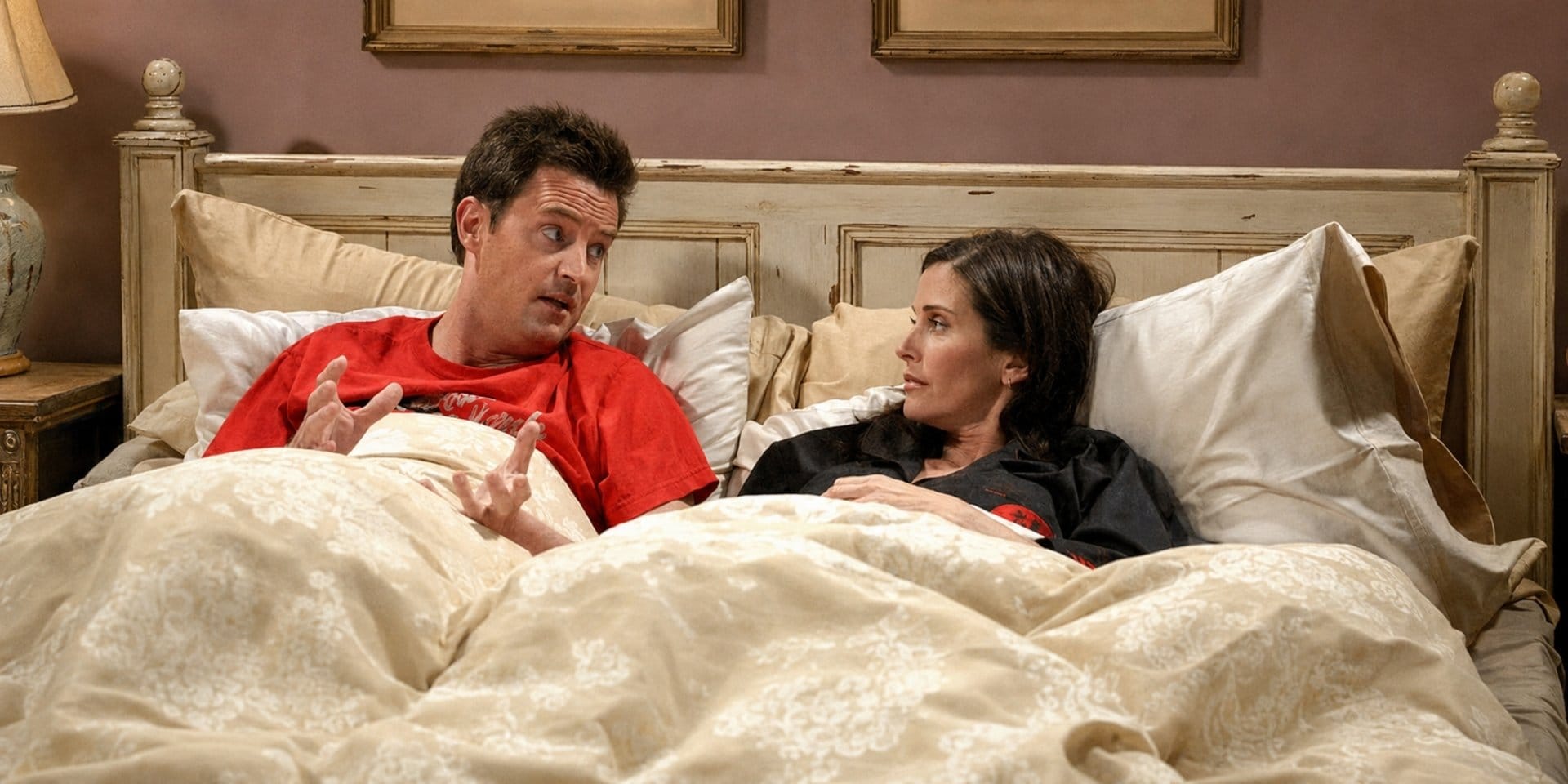
Monica and Chandler may have made dating your best friend look like the beginning of a perfectly written love story in Friends. Real life is less predictable: you are not starting with a stranger, but changing a relationship that already matters.
Dating your best friend can therefore feel both beautifully natural and unusually risky. You are not deciding whether to meet a stranger for a second date. You are deciding whether friendship and romantic possibility can exist together, and what you are prepared to risk to find out.
Is it a good idea to date your best friend?
It can be, provided the romantic interest is mutual, you are both emotionally ready and you can talk honestly about what will change. Friendship may give you trust, affection and shared history, but it does not automatically create romantic chemistry or compatible expectations. There is also no way to guarantee that the friendship will return to exactly what it was if the relationship ends.
Starting as friends is more common than it may seem
The friends-to-lovers story is often treated as an exception, or as something that mainly happens in films. Research suggests otherwise.
A study published in Social Psychological and Personality Science examined seven samples involving almost 1,900 university students and adults. Around two-thirds reported that their romantic relationship had begun as a friendship. Among the university participants who followed this path, the friendship lasted a median of 12 months before becoming romantic, and most had not entered the friendship with romance in mind.
That finding tells us that romance growing from friendship is normal and widespread. It does not tell us that every close friendship should become romantic, or that friends-first relationships always succeed. The researchers were studying how relationships began, not promising how they would end.
What friendship gives you and what it cannot decide for you
A strong friendship can give a new relationship something many couples spend months or years building: familiarity. You may already know each other’s values, flaws, family dynamics and ways of coping. You have probably seen one another without the polished version people sometimes present at the beginning of dating.
That can support openness, trust and emotional safety. Friendship is also central to lasting romantic connection. The Gottman Institute describes deep friendship as a foundation for commitment, trust and intimacy within a couple.
But being excellent friends does not answer every romantic question. Friends can love one another deeply without wanting to kiss. They can feel safe together but want very different kinds of partnership. They can share humour and history yet be incompatible around commitment, physical intimacy, children, money or the future.
The question is not simply, “Do we love each other?” It is, “Do we want the same kind of relationship with each other?”
Should you date your best friend? A seven-question reality check
There is no score that can make this decision for you. These questions are designed to help you separate a genuine desire for partnership from loneliness, jealousy, familiarity or fear of losing closeness.
Are your feelings consistently romantic?
Consider whether the feeling remains when you are not lonely, recently hurt or watching your friend become interested in someone else. Jealousy may reveal romantic feelings, but it can also reveal a fear that an important friendship is changing.
Do you want this person, or the security they provide?
Emotional safety is valuable, but it is not the same as romantic compatibility. Imagine the everyday reality of being partners, not only the relief of no longer wondering “what if?”
Is there genuine romantic or physical attraction?
Attraction can grow slowly, and it may feel different from the intensity of a new crush. Still, do not assume that emotional closeness will automatically become romantic chemistry.
Is there a reasonable possibility the feeling is mutual?
A change in the way you flirt, talk about the future or seek closeness may be worth noticing. None of these is proof. Warmth, affection and attention can simply be signs of a loving friendship.
Are you both emotionally available now?
Strong feelings do not fix poor timing. A recent breakup, an impending move, unresolved attachment to someone else or very different life priorities may mean the relationship is not ready to begin.
Could your expectations work together?
Think beyond the first kiss. Would you want similar things around exclusivity, intimacy, pace and commitment? Friendship compatibility and partnership compatibility overlap, but they are not identical.
Can you accept a “no” with care?
Before raising the possibility, ask whether you can hear an honest answer without arguing, repeatedly revisiting it or withdrawing the friendship as punishment. They may still need space, and so may you.
Signs your friendship may be becoming romantic
Romantic feelings do not always arrive dramatically. Sometimes the shift is quiet: the same person begins to occupy a different place in your imagination.
You might notice that:
- flirting has become more personal or intentional;
- physical closeness feels charged rather than simply comfortable;
- you are imagining a shared future as partners, not only as friends;
- one or both of you are finding reasons to spend more time alone together;
- conversations have begun circling around attraction, dating or what the two of you would be like as a couple;
- the possibility of them dating someone else brings up feelings you need to understand.
These are reasons to reflect, not permission to assume. Body language cannot give consent or define a relationship. Only a clear conversation can tell you whether the interest is mutual.
How to tell your best friend you want to date them
The kindest approach is honest, calm and free from pressure. Choose a private moment when neither of you is rushed, intoxicated or emotionally overwhelmed. You do not need a dramatic declaration. In fact, presenting years of hidden feeling all at once may make your friend feel responsible for an emotional situation they did not know existed.
You could say:
“I really value our friendship, and I don’t want to make assumptions about how you feel. Lately I’ve started wondering whether there could be something more between us. Is that something you’ve ever thought about?”
Or, if you would rather invite exploration than ask for an immediate definition:
“Would you be open to going on an actual date with me and seeing how it feels? It’s completely okay if you don’t see us that way.”
Then allow them to answer. Do not rush to fill the silence or persuade them. A “maybe” may genuinely mean they need time, but it should not be treated as a delayed yes.
If they feel the same way, let it become a real relationship
When best friends begin dating, it is tempting to assume nothing needs to change because you already know each other. Something important has changed, though: you are now bringing romantic expectations, vulnerability and possibly physical intimacy into the friendship.
Go on an intentional first date
Choose something that feels different from your usual routine. Calling it a date removes ambiguity and gives you both permission to notice how the connection feels in a romantic setting. It does not need to be elaborate; it only needs to be intentional.
Talk about what dating means to each of you
Do not assume that agreeing to one date means the same thing to both people. Ask whether you are exploring slowly, becoming exclusive or simply seeing whether romantic chemistry exists. The One Love Foundation recommends discussing how the shift may affect affection, exclusivity and the amount of time you spend together rather than leaving those expectations unspoken.
Do not perform a role
You do not have to replace the friendship with a scripted idea of how a girlfriend, boyfriend or partner should behave. One of the risks in moving from friends to lovers is becoming so conscious of “being a couple” that the ease between you disappears.
Keep the humour, honesty and individuality that made the friendship meaningful. Romance should deepen the way you relate, not make either person feel placed on a pedestal or pushed into a role.
Let physical intimacy develop through communication
Knowing someone well does not mean knowing what they want romantically or physically. Ask rather than assume. A first kiss can still require consent. Preferences, boundaries and comfort can change as the relationship changes.
If physical affection initially feels awkward, that does not automatically mean the relationship is wrong. Newness can feel strange even with a familiar person. But neither person should push through persistent discomfort in the hope that attraction will eventually appear.
Protect the friendship inside the relationship
Continue doing some of the things you enjoyed as friends. Make room for ordinary conversation, shared interests and time apart. A relationship does not become effortless simply because it began with friendship; it still needs attention, curiosity and repair when something hurts.
What happens when best friends start dating? Real experiences are mixed
In a large AskReddit discussion, people who had dated a friend or best friend described outcomes across the entire spectrum. Some had been happily married for decades. Others quickly realised there was no romantic chemistry. Some relationships ended but eventually returned to friendship; others ended both relationships at once.
The thread is an informal collection of personal stories, not a representative study, so it cannot tell us how likely any outcome is. What it does reveal are recurring experiences that polished advice articles sometimes miss:
- Comfort can help communication, because both people already know one another beyond first impressions.
- Friendship does not guarantee chemistry; several people found kissing or romantic behaviour unexpectedly awkward.
- Trying to act like a stereotypical couple can damage the ease that already exists.
- Timing and readiness matter, even when affection is mutual.
- A breakup may involve a double loss: the partner and the best friend.
- There are two possible regrets: risking the friendship and losing it, or never asking and continuing to wonder.
When dating a friend may not be a good idea
It may be better to pause or remain friends when:
- you are hoping romance will rescue you from loneliness or a recent breakup;
- there is little or no romantic attraction, but you feel you “should” want them because they are a good person;
- you know they do not share your feelings;
- one person wants casual exploration while the other is already imagining a lifelong commitment;
- you feel unable to accept rejection without resentment;
- the friendship contains possessiveness, manipulation or disrespect that romance would intensify rather than repair;
- you are relying on friends around you saying that you would make a perfect couple.
Other people may see your closeness, but they do not live inside it. A shared social circle should not make this decision for you.
What if your best friend does not feel the same way?
Rejection can hurt more when it comes from someone who already knows you deeply. It does not mean that the friendship was false or that you were foolish to feel something.
Thank them for being honest. Avoid asking them to justify why they are not attracted to you, and do not keep testing whether their answer has changed. If you need space to allow the feelings to settle, say so without making the distance a punishment:
“I respect how you feel. I may need a little space to reset, because the friendship matters to me and I want to handle this honestly.”
Sometimes the friendship finds its balance again. Sometimes it changes. Honesty cannot guarantee the original closeness will remain, but neither can hiding strong feelings indefinitely.
Can you go back to being friends after dating?
Sometimes, but usually not by pretending the romantic relationship never happened. Both people may need time to grieve, rebuild boundaries and become comfortable with separate lives. If one person still hopes to reunite, immediate friendship can prolong the hurt rather than resolve it.
You can agree at the beginning to communicate respectfully and avoid involving mutual friends in unnecessary conflict. You cannot promise that neither person will be hurt or that the friendship will return in its previous form.
If friendship becomes possible again, it may be a new friendship rather than a restoration of the old one. That is not necessarily failure; it is an honest acknowledgement that closeness changes people.
The friendship is not a guarantee, but it is not a reason to dismiss the possibility
Dating your best friend is neither automatically the safest path to love nor an inevitable way to ruin a friendship. It is a decision to discover whether an existing form of love can hold something new.
Move forward when there is mutual interest, emotional readiness and room for an honest answer. Go slowly enough to notice what is real. Let the relationship become romantic without abandoning the friendship that brought you there.
And remember: courage is not only asking the question. Sometimes courage is hearing the answer clearly and treating someone you love with care, whichever answer they give.
Frequently asked questions about dating your best friend
Moving from friendship to romance rarely follows one perfect set of rules. These answers address the questions people commonly have before deciding whether to take that step.
Can best friends successfully date?
Yes. Many romantic relationships begin as friendships, and the existing trust and understanding can be valuable. Success still depends on mutual attraction, compatible expectations, communication and how both people handle conflict. Being best friends does not guarantee romantic compatibility.
How do you date your best friend without making it awkward?
Be explicit that you are going on a date, discuss what each of you expects and avoid forcing stereotypical romantic behaviour. Some initial awkwardness is normal because the relationship is changing. Honest communication is more useful than pretending nothing feels different.
How can you tell if your best friend likes you romantically?
You may notice more intentional flirting, charged physical closeness or conversations about the two of you as a couple. However, affectionate friendship can look similar. The only reliable way to know is to ask without pressuring them or assuming that friendly behaviour proves attraction.
What are the rules for dating your best friend?
There are no universal rules, but useful agreements include being honest about intentions, asking rather than assuming around physical intimacy, discussing exclusivity, protecting each other’s privacy and keeping mutual friends out of private disagreements. Do not promise that you will remain friends no matter what; promise to communicate respectfully instead.
Should you date your best friend if you are afraid of losing them?
Fear alone should not decide the question. Consider whether the feelings are mutual, whether you are genuinely compatible as partners and whether you can accept either answer. There is risk in changing the friendship, but unresolved romantic feelings can also change it.
What should you do if dating your best friend feels awkward?
Talk about what specifically feels awkward. You may simply be adjusting to a new dynamic, or one of you may be performing romance rather than relating naturally. If affection or physical intimacy continues to feel wrong, do not force it. That discomfort may be important information about compatibility.