

Aphrodisiac Essential Oils: 8 Oils for Intimacy and Scent
Aphrodisiac Essential Oils: 8 Oils for Intimacy and Scent
From ylang ylang and sandalwood to rose geranium and bergamot, explore the essential oils traditionally associated with intimacy, sensual atmosphere and scent-led ritual.
Aphrodisiac essential oils are aromatic plant extracts traditionally associated with intimacy, relaxation and sensual atmosphere. Oils such as ylang ylang, sandalwood, rose geranium, patchouli, lavender and bergamot may help shape mood through scent, but they are not a guaranteed way to create sexual arousal.
What are aphrodisiac essential oils?
Aphrodisiac essential oils are aromatic plant extracts that have traditionally been associated with romance, sensuality, relaxation or emotional connection. Their role is primarily sensory. Aroma can influence how a room feels, bring attention to the present moment and become part of a ritual that separates intimate time from the rest of the day.
The word aphrodisiac can make these oils sound more mechanical than they really are. An essential oil does not reliably cause sexual desire simply because it is described as an aphrodisiac. Attraction, libido and arousal are influenced by many physical, emotional and relationship factors.
Think atmosphere rather than an on-switch. Scent may help create conditions that feel warm, calming, sensual or intimate, but individual responses to fragrance vary considerably.
This is why aphrodisiac essential oils fit naturally into scent-led rituals. A familiar aroma can signal that the pace is changing: lights lower, phones are put aside and attention returns to the person or experience in front of you.
8 aphrodisiac essential oils for intimacy and scent
There is no universally recognised list of aphrodisiac essential oils, but some aromas appear repeatedly in traditional fragrance, massage and intimacy rituals. These eight are particularly useful when thinking about the emotional character of a blend rather than expecting a direct physiological effect.
| Essential oil | Aroma | Why it suits intimate settings |
|---|---|---|
| Ylang ylang | Rich, floral, slightly sweet | Creates a warm, sensual floral atmosphere |
| Sandalwood | Soft, woody, creamy | Grounding and slow, with a warm base-note character |
| Rose geranium | Rosy, green, floral | Adds softness and romantic floral depth |
| Patchouli | Earthy, deep, woody | Brings richness and weight to sensual blends |
| Lavender | Soft, herbal, floral | Often associated with calm and relaxation |
| Bergamot | Fresh, citrus, lightly floral | Brightens heavier oils and gives blends lift |
| Rosewood | Warm, woody, softly floral | Adds gentle sweetness without dominating a blend |
| Australian orange | Bright, sweet citrus | Creates freshness and warmth around deeper notes |
Ylang ylang
Ylang ylang has one of the most recognisable sensual aromas used in essential oil blending. It is intensely floral, slightly sweet and naturally expressive, so relatively small amounts can shape the character of an entire blend.
Its reputation as an aphrodisiac is longstanding, but its practical value in an intimate fragrance comes from the atmosphere it creates: warm, floral and noticeably different from everyday household scent.
Sandalwood
Sandalwood provides the opposite kind of presence. Rather than opening a blend with brightness, it sits underneath it with a creamy, woody warmth. This makes sandalwood particularly useful when a scent is intended to feel grounded and unhurried.
It pairs particularly well with florals such as ylang ylang and rose geranium, creating depth without making the fragrance feel sharp.
Rose geranium
Rose geranium sits between floral sweetness and green freshness. It brings a romantic character without smelling exactly like rose, which makes it useful when a blend needs softness without becoming overly sweet.
Patchouli
Patchouli is earthy, deep and persistent. In a sensual blend it is usually most effective when balanced rather than allowed to dominate. Used carefully, it adds warmth and gives lighter floral and citrus notes something to rest on.
Lavender
Lavender is more commonly associated with relaxation than aphrodisiac fragrance, but that is precisely why it can belong in an intimate blend. Feeling relaxed, comfortable and unrushed can be far more relevant to connection than trying to manufacture intensity.
Bergamot
Bergamot adds freshness to richer floral and woody oils. Its citrus character has a softer, more perfumed quality than many other citrus oils, helping a sensual blend feel brighter without becoming sharp.
Rosewood
Rosewood has a warm woody aroma with a gentle floral edge. In a blend it can soften the transition between bright citrus notes and deeper oils such as patchouli.
Australian orange
Sweet orange brings brightness and familiarity. It can make a complex aromatic blend feel more inviting while providing contrast to heavier floral and woody notes.
What about essential oils for female arousal?
Searches for essential oils for female arousal are common, but it is important to separate fragrance from claims about sexual function. There is not strong evidence that smelling a particular essential oil will reliably create sexual arousal in women.
What scent can do is become part of the broader context around intimacy. Relaxation, anticipation, privacy, emotional connection, touch and personal associations with a fragrance can all influence how an intimate moment feels.
If the issue is specifically a change in desire or physical responsiveness, scent should not be treated as a substitute for understanding what is happening physically, emotionally or within the relationship.
For a broader discussion of arousal rather than fragrance alone, see our guide to female arousal after menopause or explore how aphrodisiac oils can combine scent and touch.
Using aphrodisiac essential oils in a diffuser
Diffusion is one of the simplest ways to use concentrated essential oil blends for atmosphere. Rather than putting essential oils directly onto the body, the aroma is dispersed through the room and becomes part of the environment.
Begin conservatively. A bedroom does not need to smell like an essential oil shop for fragrance to be noticeable. A lighter scent level is often more comfortable and allows the aroma to remain in the background rather than becoming the focus of the room.
- Follow the instructions supplied with your diffuser or oil burner.
- Start with a small amount and increase only if needed.
- Allow some airflow through the room.
- Avoid deliberately inhaling concentrated essential oil vapour.
- Keep essential oils away from children and pets.
- Stop using a scent if anyone experiences irritation or discomfort.
Essential oils, Mood Mists, Pleasure Oils and Arousal Oils are not the same thing
One of the easiest ways to choose the right product is to decide whether you want fragrance in the room, fragrance and glide on the body, or a product made specifically for external sensual application.
| Product type | Primary role | Typical use |
|---|---|---|
| Concentrated essential oil blend | Aromatic atmosphere | Diffuser or suitable oil burner |
| Mood Mist | Easy room fragrance | Sprayed into the surrounding space as directed |
| Pleasure Oil | Massage, body care and sensual touch | Applied externally to the skin as directed |
| Arousal Oil | Targeted external sensual experience | Used externally according to the product directions |
Concentrated Wildfire essential oil blends are intended for aromatic use. They should not be substituted for a formulated body product or applied undiluted to intimate skin.
Wildfire aphrodisiac essential oil blends
Wildfire uses individual essential oils as part of complete fragrance compositions rather than expecting one ingredient to carry the entire experience. Tempt, Tease and Tantalize each combine floral, citrus and woody notes differently to create a distinct atmosphere.
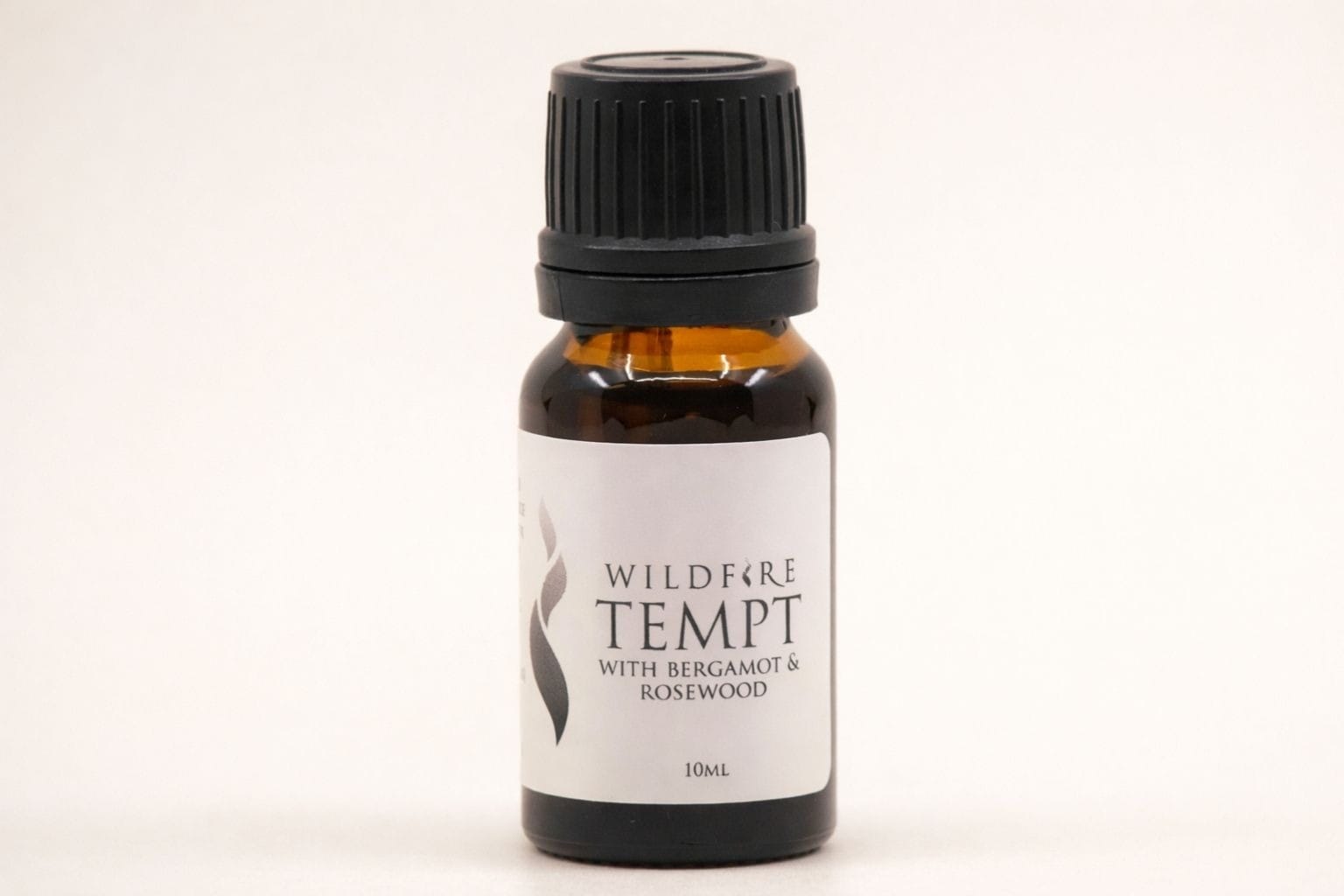
Tempt
A warmer, brighter blend built around ylang ylang, bergamot, patchouli, rosewood and Australian orange.
Explore Tempt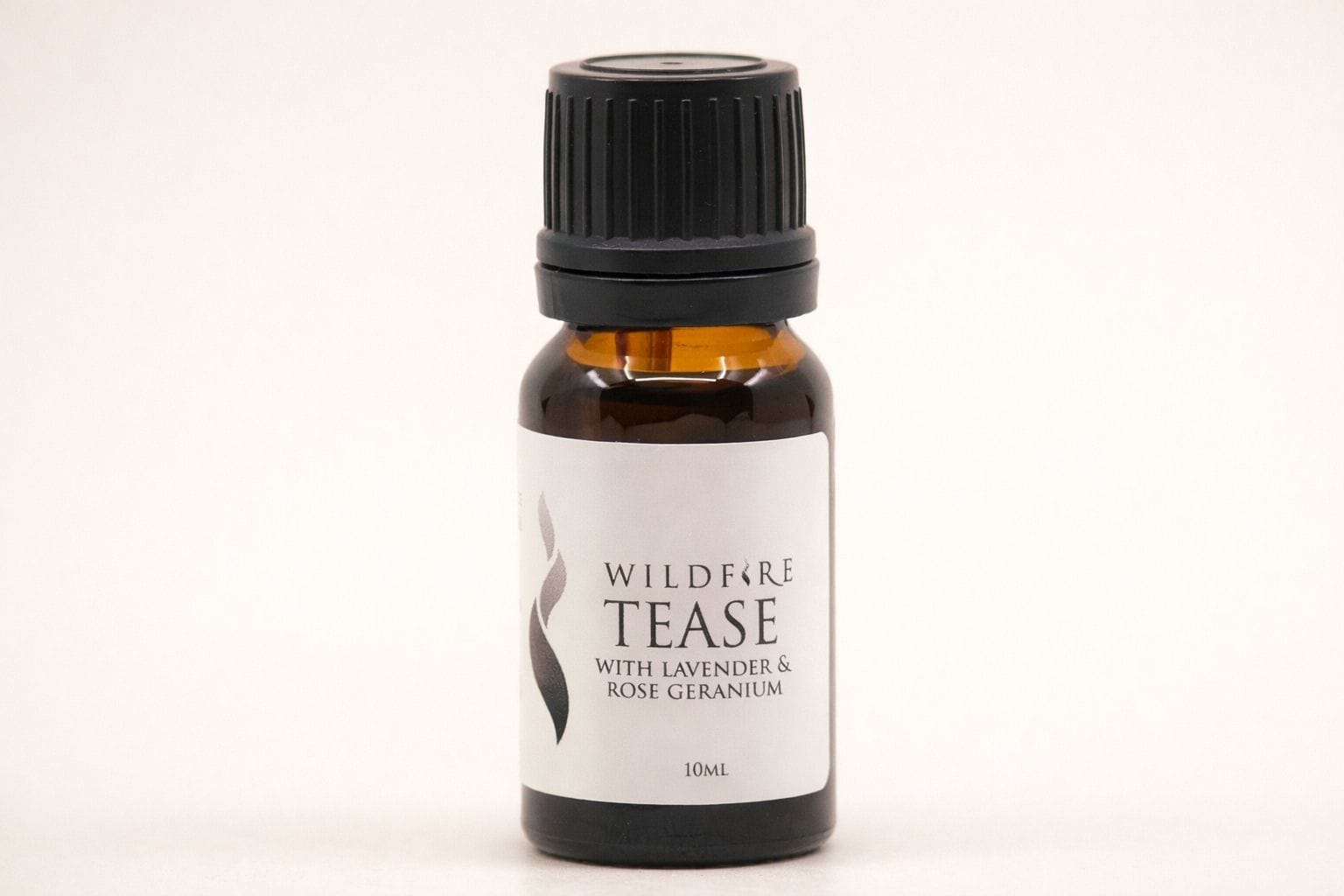
Tease
Lavender, sandalwood, ylang ylang and rose geranium create a softer, romantic aromatic profile.
Explore Tease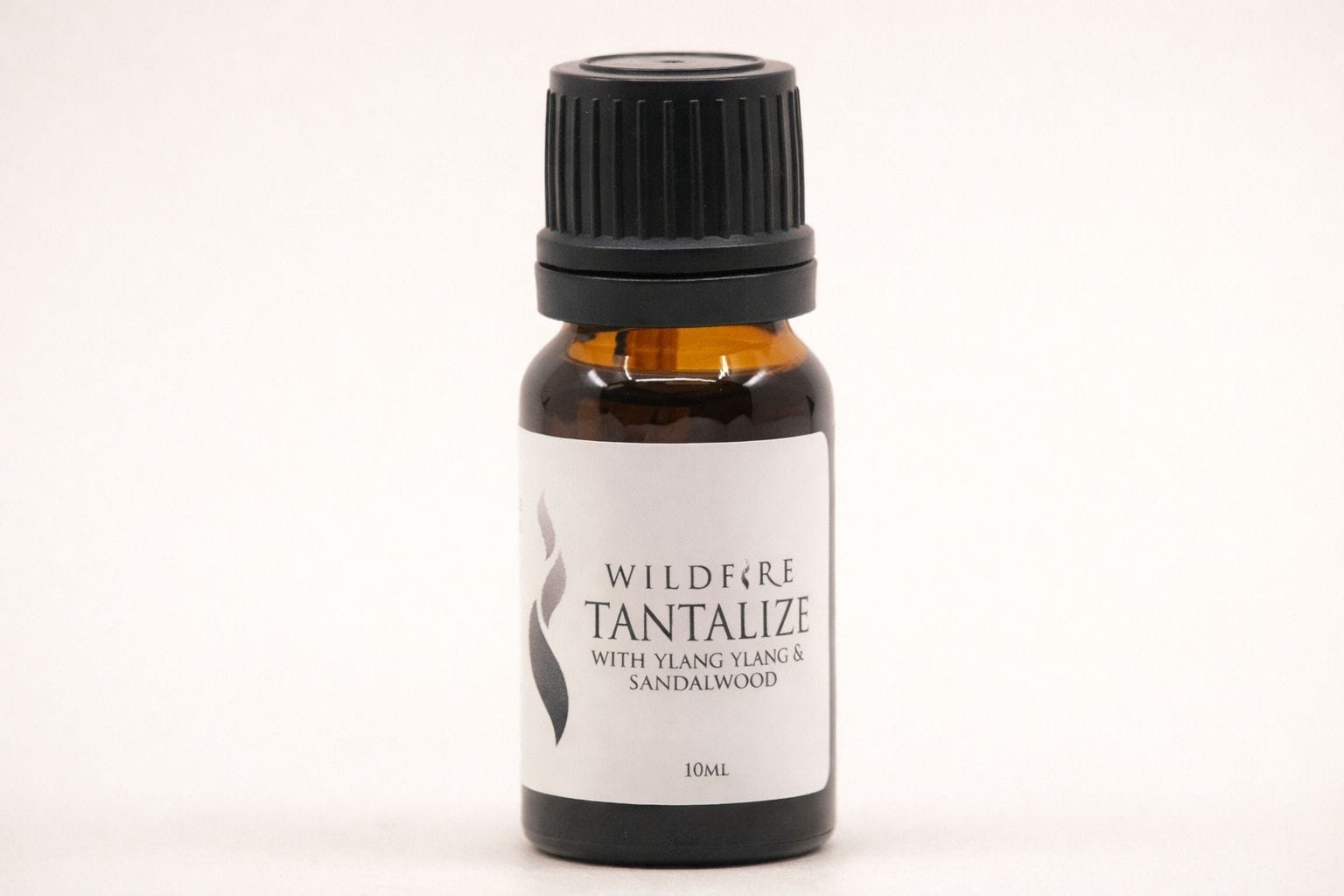
Tantalize
Bergamot, patchouli, ylang ylang, sandalwood and rose geranium combine citrus brightness with deeper floral and woody notes.
Explore Tantalize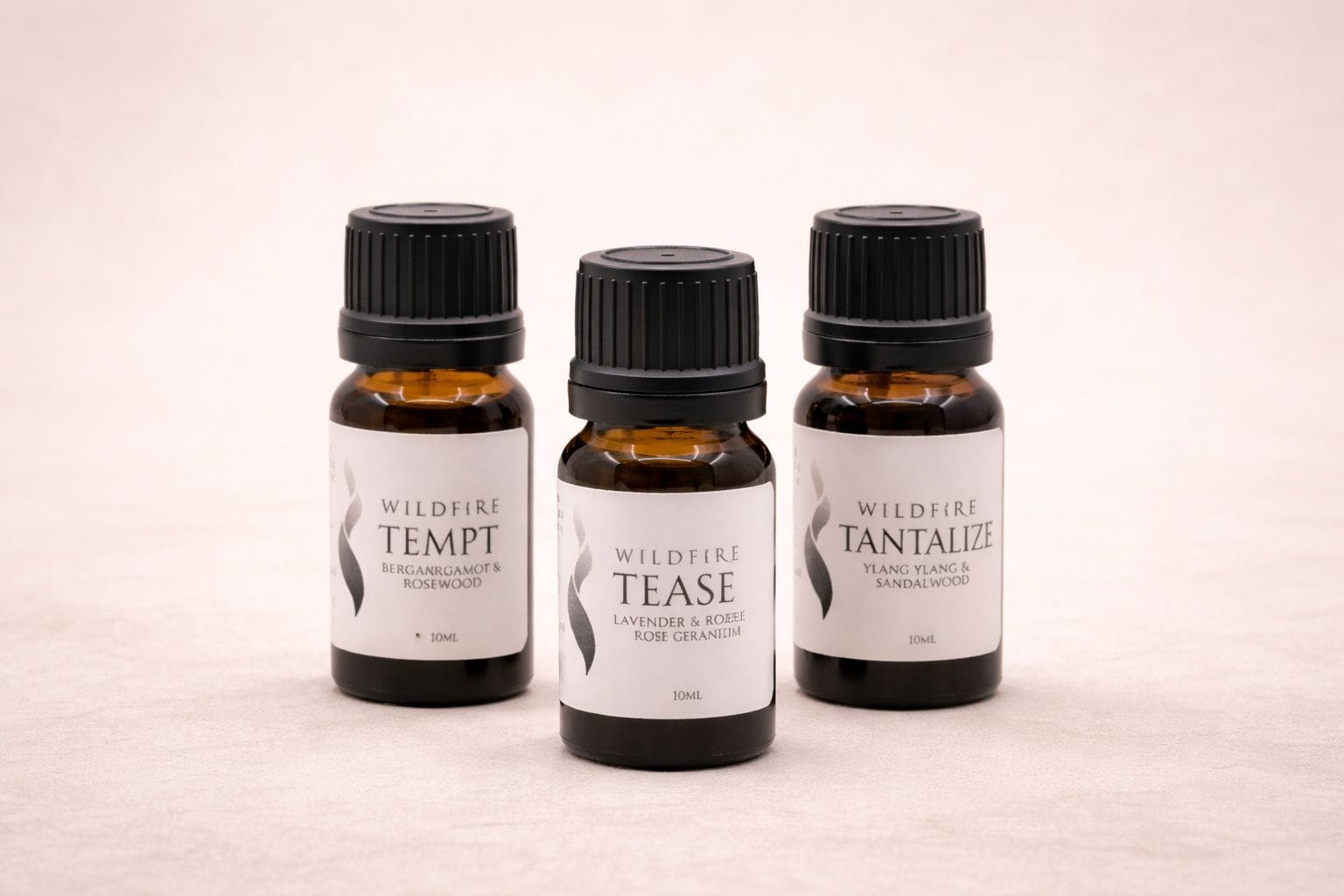
Trilogy Collection
Explore all three Wildfire essential oil blends together and choose the aroma that best suits the atmosphere you want to create.
Explore the TrilogyHow to choose an aphrodisiac essential oil blend
Start with the scent itself rather than the word aphrodisiac. Personal preference matters more than choosing the ingredient with the most dramatic reputation.
- Choose floral aromas such as ylang ylang and rose geranium if you enjoy richer, more expressive fragrance.
- Choose woody aromas such as sandalwood and patchouli if you prefer warmth and depth.
- Choose citrus-led aromas if you want the space to feel brighter and lighter.
- Choose blends containing lavender when relaxation and softness appeal more than intensity.
There is also nothing wrong with disliking an oil traditionally described as aphrodisiac. Fragrance is highly personal. A scent associated with relaxation for one person may remind someone else of a completely unrelated place or experience.
Layering scent with touch
Scent and touch can work particularly well together because they create different parts of the sensory environment. An essential oil blend can shape the room while a formulated massage oil provides warmth, glide and physical connection.
They do not have to be intense or complicated. Sometimes the ritual is simply choosing a scent, lowering the lights and spending ten minutes giving each other a massage without rushing toward whatever comes next.
If touch is the experience you are looking for rather than room fragrance, our guide to essential oils for sensual massage explains that distinction in more detail.
Essential oil safety matters
Essential oils are highly concentrated. Natural does not automatically mean gentle, and the way a product is formulated matters just as much as the plant it came from.
- Do not ingest Wildfire essential oil blends.
- Do not apply concentrated essential oils directly to intimate tissue.
- Use concentrated blends only for their intended aromatic purpose.
- Keep bottles away from children and pets.
- Avoid contact with the eyes.
- Stop use if a fragrance causes irritation, headache or respiratory discomfort.
- If pregnant, breastfeeding, managing a medical condition or using essential oils around children or animals, seek appropriate professional guidance.
If you want essential oils as part of body massage, choose a properly formulated finished product designed for skin rather than improvising with concentrated aromatic oils.
Frequently asked questions about aphrodisiac essential oils
What is the best aphrodisiac essential oil?
There is no single best aphrodisiac essential oil. Ylang ylang, sandalwood, rose geranium, patchouli and bergamot are commonly used in sensual aromatic blends, but personal scent preference is more important than any one ingredient’s reputation.
Do aphrodisiac essential oils actually increase arousal?
Essential oils should not be expected to directly or reliably create sexual arousal. Aroma may influence atmosphere, relaxation, memory and mood, which can become part of a wider intimate experience.
Which essential oils are associated with female arousal?
Oils such as ylang ylang, sandalwood, rose geranium and patchouli are often marketed in this context, but evidence does not support treating them as a predictable way to cause female sexual arousal.
Is ylang ylang an aphrodisiac?
Ylang ylang has a long-standing reputation as an aphrodisiac fragrance. Its rich floral aroma is widely used in perfumes and sensual blends, although individual responses to the scent vary.
Is sandalwood an aphrodisiac?
Sandalwood has traditionally been associated with sensuality and ritual. Its warm, woody aroma can give intimate fragrance blends a grounded, lingering character.
Can I put aphrodisiac essential oils directly on my skin?
Concentrated essential oils should not automatically be treated as skin-ready products. Use them only according to the directions for the specific product. Wildfire’s concentrated essential oil blends are intended for aromatic use rather than direct intimate application.
Can I use aphrodisiac essential oils in a diffuser?
Yes, if the particular essential oil product and diffuser are intended for that use. Follow the diffuser instructions and begin with a conservative amount of fragrance.
What scents are considered romantic?
Floral scents such as ylang ylang and rose geranium, warm woods such as sandalwood, earthy patchouli and brighter citrus notes such as bergamot are commonly used together in romantic fragrance compositions.
Continue exploring scent and intimacy
Aphrodisiac oils and sensual scent
Essential oils for sensual massage
What infused essential oils really means
Explore Wildfire Mood Mists
Choose the atmosphere you want to create
Explore Wildfire’s Tempt, Tease and Tantalize essential oil blends for scent-led rituals, bedroom atmosphere and moments that deserve a change of pace.