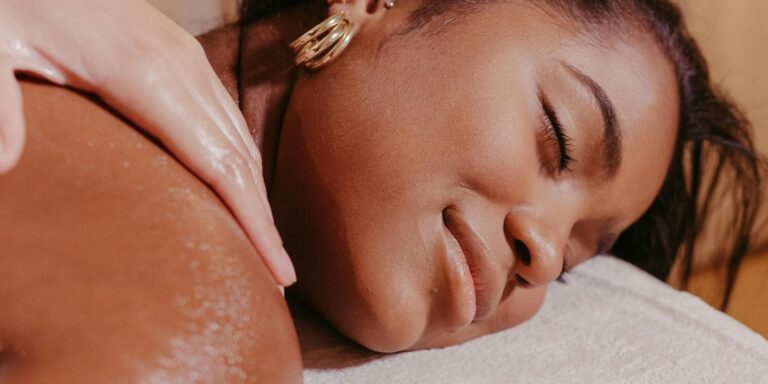

Sensual Massage Techniques That Create More Connection and Desire
Once you understand the basics of sensual massage, the experience begins to evolve. The way your hands move, the rhythm you create, and the way you respond to your partner all shape how deeply the moment is felt. These sensual massage techniques are designed to help you move beyond routine, building connection through touch that feels intentional, unhurried, and completely present.
If you're new to this, you can begin with our sensual massage guide before exploring these techniques in more depth.
What is a sensual massage?
Before diving into the techniques, it helps to clarify what we mean by a sensual massage. Unlike a remedial or sports massage that targets muscle tension, a sensual massage targets connection. It is an intimate practice focused on slowing down, removing distractions, and exploring touch without a specific end goal.
The meaning of sensual massage varies from couple to couple. For some, it is a way to unwind after a long week. For others, it is a pathway to deeper physical intimacy. What remains constant is the intention: to be fully present with your partner.
Why sensual massage techniques matter
There is a meaningful difference between giving someone a massage and creating a sensual experience. The techniques themselves can be simple; it is the intention behind them that changes everything.
Anticipation is one of the most powerful elements at play. When touch is slow and deliberate, the body heightens its awareness of every sensation. Rhythm matters too. A pace that stays consistent but never predictable keeps your partner in a state of relaxed attention rather than passive comfort. And perhaps most importantly, presence — the simple act of being fully with your partner rather than moving through a checklist — is what transforms technique into genuine intimacy.
Research from the Greater Good Science Center at UC Berkeley suggests that supportive touch, including hugs and back rubs, can help calm the body and support emotional wellbeing. In that sense, sensual massage can be more than a luxury. It can become an act of care.
Sensual massage tips: Preparing the space and yourself
Preparation sets the tone before a single touch is made. You do not need to recreate a day spa, but a little thought goes a long way toward helping both of you feel settled and present.
Creating a calm environment
Lighting is one of the easiest ways to shift the mood of a space. Dimmed overhead lights, a lamp, or candles all create a softer atmosphere than a bright room. Music that carries shared memory or emotion can ease self-consciousness and signal to the body that it is safe to slow down. Room temperature is easy to overlook: if either of you feels too warm or too cool, the body resists relaxation. Adjust it before you begin so comfort feels effortless.
Warming your hands and oil
Cold hands and cold oil are among the most effective ways to interrupt a relaxed state. Warm your hands by rubbing them together for a moment before making contact, and dispense your oil into your palms first rather than applying it directly to your partner's skin. A small amount goes further than you might expect. Start conservatively and add more as needed.
Slowing your pace before you begin
Take a breath before you start. If you have come from a busy day, give yourself a moment to arrive. Your partner will feel the difference between hands that are still carrying tension and hands that are settled and ready to listen.
Releasing the pressure of an outcome
One of the most common barriers to giving a sensual massage is the feeling that it must lead somewhere — usually sex. This unspoken expectation can create performance anxiety for both the giver and the receiver. Before you begin, silently give yourself permission to let the experience be exactly what it is: an act of care, connection and touch. If it naturally evolves into something more, wonderful. If it ends in deep relaxation and sleep, that is equally successful. Removing the pressure of an outcome allows both of you to actually be present.
Core sensual massage techniques to explore
The following techniques are not a sequence to follow rigidly. Think of them as a vocabulary: individual movements and approaches that you can draw from and layer together in whatever order feels natural. The more familiar you become with each one, the more fluidly you will move between them.
1. Slow full-body strokes (Effleurage)
Long, flowing strokes that move from the lower back all the way up the spine and out across the shoulders are where most sensual massages should begin. The goal is not to work out knots. It is to establish contact, create comfort, and let your partner's body learn the rhythm of your hands. Keep your movements broad and unhurried, covering large surface areas like the back and legs before moving to anything more focused. Starting slow builds the trust that makes everything that follows feel welcome.
2. Feather-light touch
Once your partner has settled into the experience, introduce touch so light it barely registers. Use your fingertips to trail across the skin, barely making contact. This technique works best after oil has been applied, when the skin is warm and receptive. The near-absence of pressure creates anticipation; the body heightens its awareness of where your hands might land next. It is a contrast technique, most effective when used after something more grounding.
3. Varying pressure and rhythm
Predictability is the enemy of sensation. If every stroke is the same weight and the same speed, the body habituates to it and stops registering it. Alternate between slow, firmer movements and lighter, quicker ones. Let the rhythm change naturally rather than following a pattern. This variation keeps your partner engaged and present, and it allows you to tune in to what is resonating most.
4. Pause and hold
This is one of the most underused techniques in sensual massage. Simply place your hands on your partner — on the lower back, the shoulder blades, or the top of the thigh — and hold them there without moving. The stillness after movement creates its own kind of intensity. It communicates presence and intention in a way that constant motion cannot. Even a pause of five or ten seconds can shift the entire emotional register of the experience.
5. Layering movement
The most immersive massages feel like one continuous, evolving experience rather than a series of separate techniques. Layering means moving fluidly between stroke styles, pressure levels, and touch types without hard stops between them. A long stroke transitions into a feather-light trace, which deepens into a held pause, which opens back out into movement. When the transitions are smooth, the experience feels intuitive and natural.
A simple sensual massage sequence for beginners
If you are not sure where to begin, follow a simple full-body sequence rather than jumping straight into the most sensitive areas. This helps the body relax, builds trust, and gives your partner time to settle into the experience.
Shoulders and neck
Begin where everyday tension gathers. Slow circular movements around the shoulders and base of the neck help your partner relax into the experience.
Upper and lower back
Use long flowing strokes from the lower back toward the shoulders. The back is one of the easiest places to build rhythm and establish trust.
Arms and hands
Slow movements through the forearms, palms and fingers can feel surprisingly calming and help deepen body awareness.
Legs and thighs
Move gradually through the calves and thighs using broader strokes and varied pressure. These larger muscle groups respond well to slow, continuous touch.
Feet and ankles
Many people carry tension in their feet without realising it. Gentle pressure here can create a strong sense of relaxation and completion.
Follow your partner's response
Rather than following a script, let breathing, body language and verbal feedback guide where you spend more time.
Why different parts of the body respond differently
Not every area of the body experiences touch in the same way. Some areas contain a higher concentration of nerve endings, while others respond more strongly because they hold tension or are rarely the focus of intentional touch.
The shoulders, neck and lower back often respond well because they carry physical stress. Hands, wrists, feet and inner thighs can feel surprisingly intense because they combine physical sensitivity with anticipation and attention.
Rather than focusing on one specific area, the most effective sensual massage techniques involve moving gradually across the body and allowing sensation to build naturally through contrast, rhythm and connection.
Areas many people enjoy during a sensual massage
While everyone responds differently, many people enjoy slow, intentional touch around the:
- Neck and shoulders
- Upper back
- Lower back
- Arms and hands
- Inner wrists
- Legs and calves
- Feet and ankles
- Scalp and hairline
If you would like to explore more sensitive areas, our guide to erogenous zones and sensual touch explains how different parts of the body can respond to intentional contact.
Sensual massage vs erotic massage
Sensual massage and erotic massage are often used interchangeably, but they are not always the same thing. Sensual massage focuses on slow, intentional touch, relaxation, body awareness and connection. Erotic massage is usually more explicitly sexual in intent. For couples at home, sensual massage is often the better starting point because it allows intimacy to build without pressure or expectation.
If you want to understand the more explicit side of this topic, our guide to erotic massage with oil explains how oil changes the experience while still keeping comfort, consent and communication central.
Exploring more intimate massage areas with consent
As the massage progresses and your partner relaxes more deeply, it becomes natural to shift attention toward areas of heightened sensitivity. While the neck, arms, lower back, and thighs are wonderful focal points, many couples choose to explore more intimate territories. When doing so, communication and care are essential.
A note on consent and comfort. Intimate massage should always be a shared experience. Check in frequently, respect boundaries immediately, and remember that the goal is mutual relaxation and connection, not a specific outcome.
Many couples naturally become curious about more intimate forms of massage as their confidence grows. The key is moving at a pace that feels comfortable for both people, maintaining open communication, and treating every new area of exploration with the same care and respect as the rest of the experience.
Yoni massage
Yoni is a Sanskrit word meaning "sacred space". A yoni massage is a gentle, mindful practice focused on external relaxation and body awareness for the female anatomy. If you are exploring oils commonly used for external intimate massage, see our guide on what yoni oil is.
Lingam massage
Similarly, lingam massage is a respectful, slow-paced practice focused on the male anatomy. It prioritises breathing, relaxation, and spreading sensation throughout the body, rather than rushing toward a specific physical outcome.
Body slide massage
A body slide massage uses broad body contact, warmth and plenty of oil to create a deeply enveloping sense of closeness. Rather than focusing on specific techniques, the experience centres on slow movement, relaxation, and continuous skin-to-skin connection. As with any intimate massage, comfort, communication and consent should guide the experience.
How to read your partner's response
The most skilled part of giving a sensual massage has nothing to do with technique. It is the ability to listen with your hands and adjust to what you are receiving back.
Non-verbal cues tell you almost everything you need to know. Breathing that deepens and slows is a sign of relaxation and receptivity. A slight shift toward your hands, or muscles softening under pressure, suggests you have found something that resonates. Tension, stillness, or a subtle pulling away signals to ease back, lighten your touch, or change direction.
You do not need to narrate what you are observing. Simply let it guide you. The willingness to stay attuned, to adjust naturally without being asked, is one of the most intimate things you can offer.
Common mistakes that break the experience
Even with the best intentions, certain habits can pull both of you out of the moment. Most of them come down to rushing, losing contact, or forgetting that this is a shared experience rather than a performance.
Rushing the process. Moving quickly through the body prevents either of you from settling in. Give yourself more time than you think you need.
Using too much pressure too soon. Deep pressure has its place, but applying it before the muscles have warmed can feel jarring. Build gradually.
Letting your hands lose contact. Lifting your hands repeatedly disrupts the flow. When you need to reposition, try to maintain some point of contact.
Applying cold oil. Always warm oil in your palms before it touches skin. Cold oil signals the body to tense again.
How to close the massage gracefully
Knowing how to end a sensual massage is often a quiet concern for beginners. The transition back to the waking world should be as gentle as the massage itself. As you feel the experience naturally winding down, slow your movements even further. Finish with a broad, grounding stroke — such as resting both hands warmly on the lower back or shoulders for a few moments — to signal completion.
Allow your partner a few moments of stillness before speaking or moving away. You might gently drape a soft towel or blanket over them to maintain warmth, or simply offer a glass of water. There is no need to rush into conversation or cleanup. Letting the final moments linger honours the connection you have just shared and prevents the experience from feeling abruptly cut off.
Choosing the right oil for sensual massage techniques
The oil you choose plays a larger role than most people expect. It determines how smoothly your hands travel across the skin, how long the glide lasts before you need to reapply, how the skin feels afterward, and whether the scent of the experience stays with you both.
A quality massage oil allows your strokes to remain continuous and fluid rather than catching or dragging. It keeps the skin warm and receptive throughout, and a thoughtfully chosen scent adds an additional sensory dimension to the experience.
If you are looking for a blend specifically designed for intimacy, our guide on how to choose the best massage oil for intimacy breaks down what to look for in a formulation.
Wildfire's botanical massage oils are crafted with skin-loving carrier oils and carefully chosen essential oil blends, designed to support slow, intentional touch and a more sensory massage experience. You can also explore our full massage oils collection for botanical oils designed for relaxation, glide and connection.
Ready to elevate your touch?
Choosing the right oil can completely change how each technique feels. Explore our range of sensual massage oils, designed to support smooth, continuous touch and a more connected experience.
Bringing it all together
A sensual massage is not a performance you give your partner. It is something you create together, a shared rhythm that evolves as both of you settle into the experience. The techniques described here are simply a starting point. The more you explore them, the more naturally they will combine and adapt to the particular dynamic between you and your partner.
Confidence in this kind of intimacy grows with practice, but it also grows with presence. Even the simplest technique — a long slow stroke across the back — becomes something profound when it is performed with full attention and genuine care.
For a deeper foundation, revisit our sensual massage guide alongside these techniques. The two work together to give you both the understanding and the practical vocabulary to make every experience feel intentional and meaningful.
At Wildfire, we believe touch is more than technique. It is a way to slow down, connect, and rediscover each other without distraction. With the right pace, the right environment, and the right oils, even the simplest movements can become something deeply meaningful.
Frequently asked questions
What are the best sensual massage techniques?
The most effective techniques focus on slow, continuous touch, varied pressure, and maintaining connection through movement. Simple techniques performed with intention often feel more powerful than complex routines. Long full-body strokes, feather-light touch, and the pause-and-hold method are reliable foundations to build from.
How do you give a sensual massage?
Giving a sensual massage starts with preparation: creating a calm environment, warming your hands and oil, and slowing your own pace. From there, focus on broad, slow strokes to build trust, vary your pressure to maintain anticipation, and stay fully present with your partner's responses rather than following a rigid routine.
What is the difference between sensual and erotic massage?
Sensual massage focuses on slow, intentional touch, relaxation, body awareness and connection. Erotic massage is usually more explicitly sexual in intent. For couples at home, sensual massage is often the better starting point because it allows intimacy to build without pressure or expectation.
What is a yoni or lingam massage?
These are mindful, respectful intimate massage practices. Yoni massage focuses on the female anatomy, while lingam massage focuses on the male anatomy. Both prioritise relaxation, breath, and spreading sensation throughout the body using slow, intentional touch and plenty of body-safe oil, rather than rushing toward a specific outcome.
What type of massage is most intimate?
A sensual massage is widely considered one of the most intimate forms of massage for couples because it prioritises connection and presence over physical relief. Unlike remedial or sports massage, a sensual massage is built around shared rhythm, attunement, and emotional closeness.
Which massage technique is best for arousal?
Feather-light touch and the pause-and-hold technique can be especially effective because they create anticipation rather than simply delivering sensation. Varying pressure also helps keep the body engaged and responsive as the experience builds.
What should you avoid during a sensual massage?
Common mistakes include rushing, applying too much pressure too early, losing contact with the body, using cold oil, and not checking in. The experience works best when it remains slow, responsive, and connected.
What oil is best for sensual massage techniques?
A high-quality massage oil supports smooth, continuous movement and helps maintain flow. Botanical oils that absorb gradually tend to work best for extended, unhurried touch. You can explore our broader massage oil guide or browse our massage oils collection.