What Makes a Massage Feel Exotic?
When people ask what makes a massage feel exotic, they are rarely asking about technique alone. They are describing a shift in sensation. A moment when touch feels slower, richer, and more immersive than usual. In this context, exotic does not mean dramatic or explicit. It refers to depth. It is what happens when the nervous system softens, attention slows, and the entire experience feels intentional rather than routine.
Understanding what makes a massage feel exotic begins with science. The body responds to safe, sustained touch in measurable ways. Hormones shift. Muscles release. Breath deepens. When these physiological changes align with atmosphere and pacing, a standard massage can begin to feel transporting.
The Nervous System Shift
One of the most important factors in what makes a massage feel exotic is the body’s neurological response to touch. Massage is not only mechanical. It is regulatory. Research in therapeutic touch consistently shows that intentional massage can reduce cortisol, the body’s primary stress hormone, while increasing activity in the parasympathetic nervous system.
The parasympathetic system governs what is often called the “rest and restore” state. When it becomes dominant, breathing slows, heart rate steadies, and muscular tension decreases. The body moves out of vigilance and into receptivity. Many universities studying massage therapy have observed that this shift can create the sensation people describe as melting or sinking into the experience.
This softening is foundational. Without it, massage remains surface-level. With it, sensation deepens. The body is no longer bracing. It is receiving. That transition is central to what makes a massage feel exotic rather than ordinary.
- Reduced stress hormone levels
- Increased parasympathetic activity
- Improved circulation
- Deeper muscular release
The Role of Scent and the Limbic System
Scent is not decorative during massage. It is neurological. The olfactory system connects directly to the limbic system, the area of the brain responsible for memory and emotion. Unlike sight or sound, aroma bypasses analytical processing and influences mood almost immediately.
Research in aromatherapy has suggested that certain warm, layered aromas may support relaxation and reduce perceived stress. When the room carries subtle, grounding notes before touch even begins, the nervous system receives a signal of intention. The experience feels prepared rather than incidental.
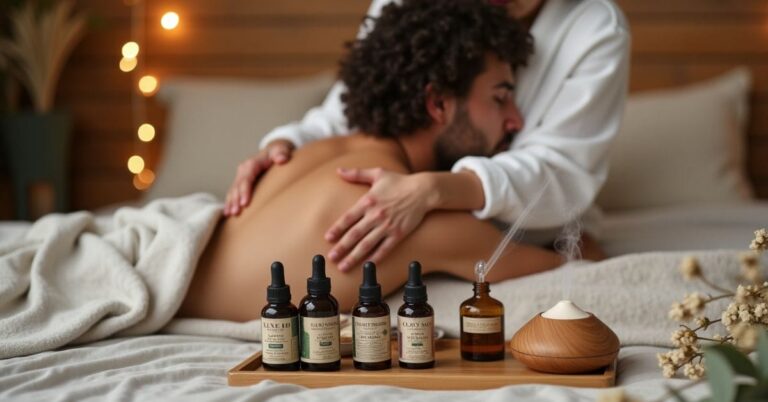
This is why many people choose essential oil blends to shape atmosphere before massage. The scent becomes part of the sensory field. It anchors attention, reinforces emotional tone, and helps maintain immersion throughout the experience.
When aroma, touch, and pacing align, the body does not need to question what is happening. It settles. And that settling is part of what makes a massage feel exotic rather than routine.
Endorphins and Emotional Warmth
Massage does more than relax muscles. It can influence the brain’s chemistry. Gentle, rhythmic touch has been associated with increased endorphin activity, the body’s natural feel-good chemicals. According to the Cleveland Clinic, endorphins play a role in regulating mood, reducing discomfort, and supporting emotional balance.
When endorphin levels rise alongside parasympathetic activation, the body can feel both calm and uplifted at the same time. This dual response creates warmth rather than sedation. It is not simply relaxation. It is depth. The experience feels layered.
This subtle elevation of mood, combined with muscular release and slower breathing, contributes significantly to what makes a massage feel exotic. The body is relaxed, yet emotionally engaged. Present, yet softened. It is this combination that often feels transporting.
Texture, Glide, and Continuous Contact
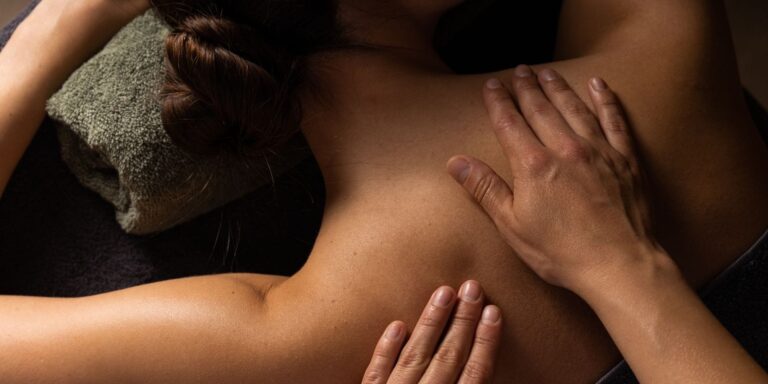
Touch perception is influenced not only by pressure, but by continuity. Neuroscientific research has identified specialised nerve fibres that respond specifically to slow, gentle stroking. These fibres are associated with affective touch, the type of touch linked to emotional processing rather than functional movement.
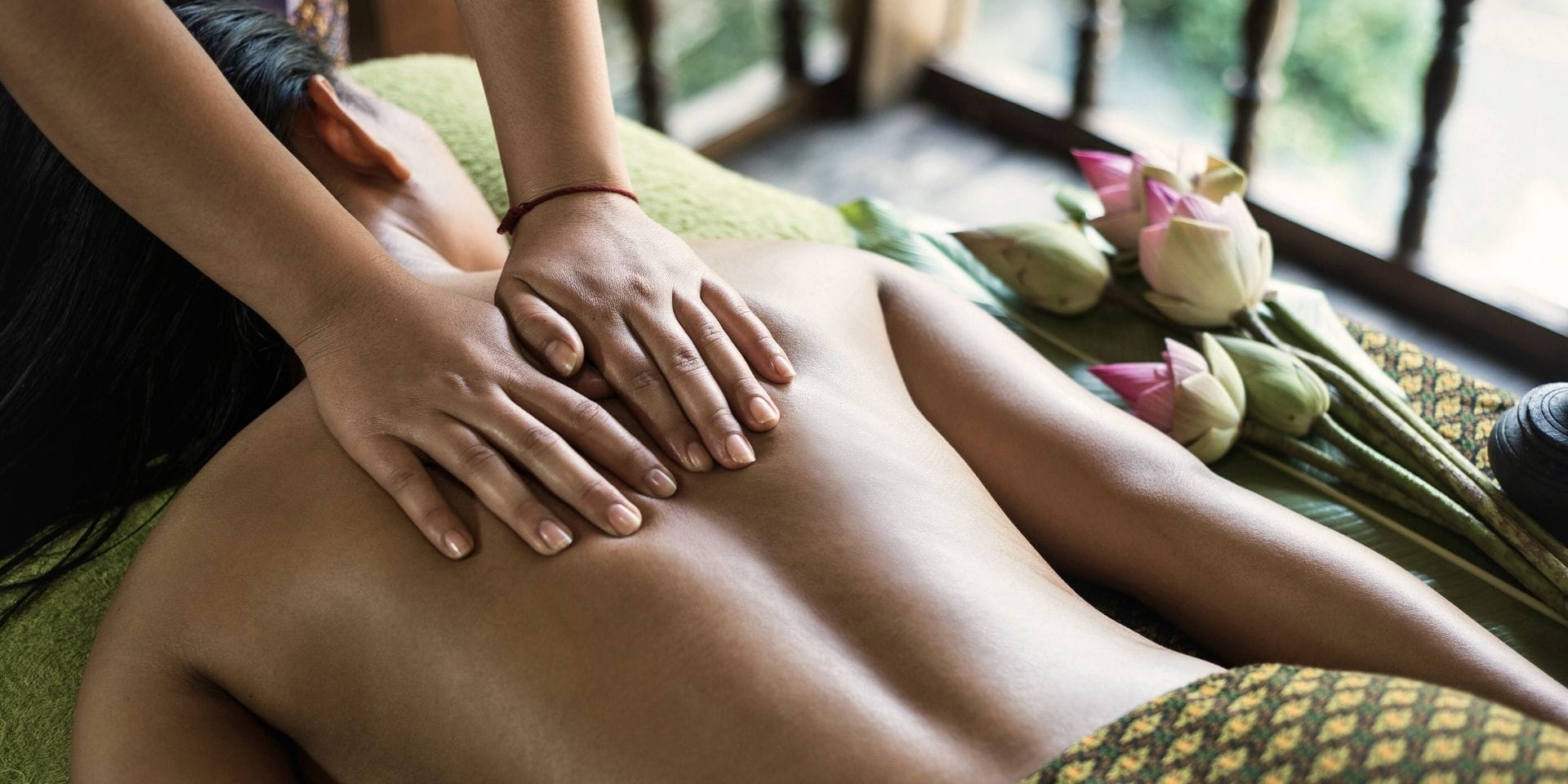
When massage strokes are slow and unbroken, the nervous system interprets them as soothing rather than stimulating. Continuity matters. Abrupt transitions, friction, or dryness interrupt the body’s sense of immersion. Smooth, fluid contact allows attention to remain settled rather than startled.
This is where formulation becomes important. Well-balanced sensual massage oils support long, uninterrupted glide without feeling overly slippery or quickly absorbed. The goal is not excess. It is consistency. When the oil supports rhythm instead of interrupting it, touch becomes more intuitive and immersive.
Continuous contact keeps the body in a receptive state. It allows anticipation to build gently rather than sharply. And that sustained rhythm is another key element in what makes a massage feel exotic.
The Psychology of Pace and Anticipation
Pace changes perception. Faster movements tend to activate alertness. Slower movements encourage absorption. Research into sensory processing has shown that gentle, rhythmic touch delivered at slower speeds is often rated as more pleasant and emotionally engaging.
When rhythm slows, anticipation builds gradually. The body begins to predict touch without bracing for it. Breath synchronises with movement. Muscular tension releases in layers rather than all at once. This layering of sensation contributes to what makes a massage feel exotic rather than routine.
A slower rhythm also shifts attention. Instead of focusing on outcome, awareness settles into the experience itself. This is often the transition from functional massage to immersive connection. Many people describe this as entering a deeper sensual massage experience, where time softens, touch grows more intuitive, and the entire atmosphere shifts toward closeness and discovery.
Exotic does not mean intense. It often means unhurried. The absence of urgency allows sensation to expand rather than contract. And that expansion is part of what makes the experience feel transporting.
Emotional Safety and Co-Regulation
Massage does not occur in isolation from emotional context. The body responds differently to touch depending on whether it feels safe, respected, and unhurried. In neuroscience, this dynamic influence between two people is sometimes described as co-regulation. One nervous system subtly influences another.
When the person giving the massage is calm and present, that state can become contagious. Breathing patterns synchronise. Muscular tension decreases. The body shifts further into parasympathetic dominance. If tension or distraction is present, the opposite can occur. When trust and calm are established, what makes a massage feel exotic is no longer novelty, but the body’s ability to regulate and soften.
Emotional safety allows physical softness. Without it, muscles remain guarded. With it, the body becomes receptive. This receptivity increases sensitivity in a positive way. Sensation feels deeper, slower, and more layered.
Much of what makes a massage feel exotic is not novelty, but trust. When trust is present, touch becomes immersive rather than mechanical. The body does not anticipate discomfort or interruption. It settles fully into the experience.
How to Create an Exotic Massage Experience at Home
Understanding what makes a massage feel exotic allows you to shape the experience intentionally. Technique matters less than atmosphere. When environment, pacing, and sensory coherence align, immersion happens naturally.
You do not need elaborate choreography. You need consistency. Small, deliberate adjustments create depth.
1. Prepare the Environment
Lower lighting to soften visual stimulation. Remove unnecessary clutter. Adjust temperature so the body does not brace against cold air. When the space feels considered, the nervous system relaxes more quickly.
2. Shape the Atmosphere with Scent
Allow aroma to settle into the room before touch begins. Warm, layered scents create continuity between environment and contact. This prepares the limbic system and supports emotional grounding.
3. Choose Oils That Support Fluid Movement
Select formulations that allow long, uninterrupted strokes. The goal is steady glide without excessive absorption or friction. Consistent contact keeps the body in a receptive state and prevents the experience from feeling mechanical.
4. Slow the Pace Intentionally
Move more slowly than feels necessary. Allow pauses. Let breath guide rhythm rather than routine. Slower pacing encourages anticipation and deepens sensory awareness.
5. Remove Time Pressure
An exotic massage experience cannot feel immersive if it is rushed. Creating space without urgency allows muscles to release gradually and attention to settle fully into the present moment.
Often, the difference between an ordinary massage and one that feels transporting is not intensity. It is coherence. When scent, texture, rhythm, and emotional safety align, the body shifts into deeper receptivity. That shift is what makes a massage feel exotic.
Does “Exotic” Mean Explicit?
The word exotic is sometimes misunderstood. In the context of massage, it does not imply explicitness or performance. It refers to immersion. A departure from the ordinary rhythm of daily life.
When people describe a massage as exotic, they are often referring to atmosphere rather than intensity. The lighting feels softer. The scent feels layered. Touch feels slower and more intentional. The experience becomes transporting not because it is provocative, but because it is immersive.
Exotic, in this sense, is about sensory depth. It is about stepping outside routine and into presence. The nervous system softens. Attention narrows. Distractions fall away. What remains is rhythm, breath, and sustained contact.
Understanding what makes a massage feel exotic allows the word to return to its original meaning: something that feels rare, absorbing, and intentionally crafted. It is not about excess. It is about coherence.
Frequently Asked Questions
Why do massages feel euphoric?
Massage can influence both the nervous system and brain chemistry. Gentle, rhythmic touch has been associated with increased endorphin activity and reduced cortisol levels. When the body shifts into a parasympathetic state, breathing slows, muscles release tension, and mood may lift slightly. This combination of calm and warmth can feel lightly euphoric, and it helps explain what makes a massage feel exotic rather than simply relaxing.
Do massages release oxytocin?
Research suggests that safe, sustained touch may support the release of oxytocin, a hormone associated with bonding and emotional connection. When oxytocin levels rise, feelings of trust and relaxation often increase, allowing the body to soften rather than brace. This emotional safety deepens immersion and is a key part of what makes a massage feel exotic rather than merely physical.
Can scent really change how a massage feels?
Yes. The olfactory system connects directly to the limbic system, which governs memory and emotion. Because of this direct pathway, scent can influence mood quickly and subtly, often before conscious thought registers the change. When aroma is layered thoughtfully into the environment, it strengthens sensory coherence and supports what makes a massage feel exotic by deepening immersion rather than distracting from it.
Is an exotic massage different from a regular massage?
Understanding what makes a massage feel exotic clarifies that the difference is rarely technique alone. When environment, scent, texture, and rhythm align, the nervous system shifts into a more receptive state. The experience feels immersive and intentionally crafted, not because it is more intense, but because it is more coherent.
A Gentle Disclaimer
This article is provided for educational purposes only. While massage and aromatherapy are widely used for relaxation and wellbeing, individual responses can vary. If you have injuries, medical conditions, or specific health concerns, it is always advisable to consult a qualified healthcare professional before beginning any new bodywork or aromatherapy practice.
Creating Depth Through Intention
What makes a massage feel exotic is rarely intensity. It is intention. When scent prepares the space, when texture supports continuous contact, when pacing slows and emotional safety is present, the experience shifts from functional to immersive.
The body does not need novelty to feel depth. It needs coherence. When the nervous system feels safe and unhurried, sensation becomes layered. Attention narrows. Breath synchronises. Touch becomes absorbing rather than routine.
Ultimately, what makes a massage feel exotic is the alignment of science, sensation, and intention. An exotic massage experience is not something dramatic. It is something deliberate. When science, atmosphere, and presence align, even a simple ritual can feel transporting.