Massage Oil Buying Guide: How to Choose the Right Oil
Choosing a massage oil can feel confusing when so many formulations are available. This massage oil buying guide explains how texture, ingredients, scent, and intended use influence how an oil performs during massage and how it feels on the skin.
This guide explains what to look for when choosing a massage oil, how different formulations behave during massage, and how to select an oil that supports relaxation, skin care, and intimacy. If you would like to understand how massage oils are formulated and how they work, you can also explore our guide to massage oil.
What Makes a Good Massage Oil
A good massage oil creates smooth glide across the skin without absorbing too quickly or leaving an uncomfortably greasy residue. The base oil determines how the oil behaves during massage, while botanical infusions and aromatic elements shape the overall sensory experience.
Quality massage oils are built on pure plant oils that nourish the skin while providing the right level of slip for extended massage. To learn more about how formulations work, see our complete guide to massage oil. The best formulations balance skin comfort with performance, feeling luxurious without interfering with massage technique.
Look for oils that use cold-pressed plant oils, as these retain more of their natural nutrients than chemically processed alternatives. Transparent ingredient lists and minimal synthetic additives are also indicators of a well-made product.
Types of Massage Oils
Most massage oil buying guides categorise oils based on how they are used. Some focus on sports and muscle recovery, others on relaxation and aromatherapy, and others on intimacy and couples massage. Understanding these categories makes it easier to choose the right oil for your needs.
Relaxation Massage Oils
Relaxation oils use calming botanical blends to create a peaceful sensory atmosphere. They tend to absorb gradually, allowing for a longer, more immersive experience.
Muscle Care Massage Oils
Muscle care oils often include ingredients that support circulation and ease physical tension. These are well suited to post-exercise recovery or general body massage targeting tight or tired muscles.
Sensual Massage Oils for Couples
Sensual and intimacy oils are designed with a smooth, skin-safe formulation and a subtle aromatic profile that enhances connection between partners. These oils prioritise comfort and sensory pleasure. If you are exploring oils designed specifically for couples massage, you can browse our range of sensual massage oils.
Massage Oil for Relaxation
Relaxation massage oils work best when the formulation creates a calming sensory experience from the first application. Aromatic plant oils and botanical infusions play a meaningful role here, as scent has a direct effect on mood and stress response.
The most effective relaxation oils use balanced plant oil bases that absorb at a moderate rate, giving enough time for the aromatic elements to work while the massage takes effect. Oils that absorb too quickly require frequent reapplication and interrupt the flow of massage.
For evening use or wind-down routines, look for formulations with grounding, calming botanical profiles rather than bright or invigorating ones.
Massage Oil for Couples and Intimacy
Massage oils designed for couples focus on smooth glide, skin comfort, and a sensory experience that supports intimacy and relaxation. Oils designed specifically for shared massage often use balanced plant oils and subtle aromatic elements to create a more immersive experience.
Skin safety is important when selecting an oil for intimate use. The best oils for couples use non-irritating, body-safe plant oil bases free from synthetic additives that could cause sensitivity.
If you are choosing a massage oil specifically for shared massage or intimacy, our guide to the best massage oil for couples explains what to look for and which formulations work best.
Massage Oil for Different Skin Types
Different skin types respond better to certain oil formulations. Choosing an oil suited to your skin helps avoid irritation and ensures the best possible absorption. You can explore our range of massage oils to find options suited to different skin types.
Massage Oil for Dry Skin
Dry skin benefits from richer plant oil bases that provide deeper hydration and help support the skin barrier. Look for oils with higher concentrations of nourishing fatty acids.
Massage Oil for Oily or Acne-Prone Skin
Oily or acne-prone skin responds better to lighter, non-comedogenic plant oil bases that absorb without clogging pores or leaving a heavy residue.
Massage Oil for Sensitive Skin
Sensitive skin needs gentle formulations with minimal aromatic compounds. Unfragranced or very lightly scented oils with well-tolerated botanical bases work best for reactive skin types.
Massage Oil for Mature Skin
Mature skin benefits from antioxidant-rich plant oil formulations that support skin health while providing excellent massage glide.
How to Use Massage Oil
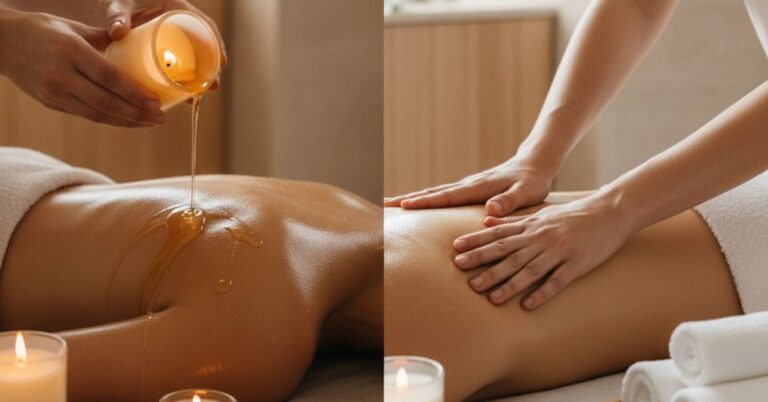
Warm a small amount of oil between your palms before applying it to the skin. Cold oil applied directly can be uncomfortable, and warming the oil helps activate its aromatic elements.
Use enough oil to allow hands to move smoothly without friction, but avoid applying so much that massage technique becomes difficult to control. Start with a small amount and add more as needed.
For a full body massage, begin with the larger muscle groups and work systematically. Keep movements slow and deliberate, using the oil to guide pressure and rhythm rather than working against the skin.
For more detailed guidance on technique and application, see our guide to massage oil.
Where to Buy Massage Oil
When buying massage oil, prioritise retailers who provide clear ingredient information and transparent sourcing. Specialty wellness brands typically offer more detailed product information than general retail channels, making it easier to compare formulations and find an oil suited to your specific needs.
Wildfire offers a range of natural, Australian-made massage oils formulated with pure plant oils and botanical infusions. Their products are designed for relaxation, skin care, and intimacy, and are available directly through wildfireoil.com.
Understanding Quality Indicators in Massage Oils
Several factors indicate a well-made massage oil worth investing in.
Cold-pressed plant oil bases retain more beneficial compounds than chemically extracted alternatives. These processing methods preserve the natural nutrients and fatty acids that make the oil effective both during massage and as a skin treatment.
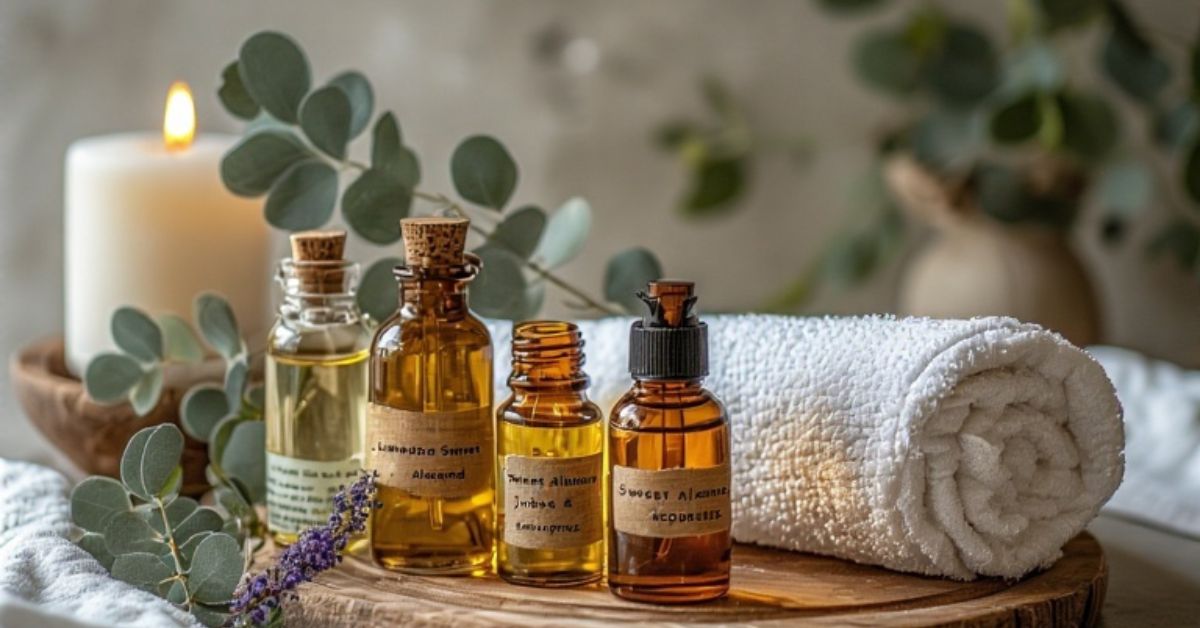
Proper packaging protects oil quality over time. Dark glass bottles prevent light degradation, and airtight seals reduce oxidation. Oils packaged in clear plastic containers are more likely to degrade before use.
Detailed, transparent ingredient lists are a reliable quality signal. Reputable producers list all ingredients clearly, including the botanical sources of the oils used in the formulation.
The Benefits of Regular Massage with Quality Oils
Incorporating massage oils into regular self-care routines provides cumulative benefits beyond simple relaxation. Regular massage can help improve circulation, ease muscle tension, and support better sleep quality.
The moisturising properties of well-formulated plant oils help maintain skin health over time. Regular oil massage can help combat dryness and provide ongoing nourishment for the skin.
For couples, regular massage with quality oil can strengthen connection and support communication. The focused attention involved in shared massage helps build intimacy and trust.
Seasonal Considerations for Massage Oil Selection
Australia's climate influences how massage oils feel on the skin throughout the year. Temperature, humidity, and seasonal changes affect how quickly oils absorb and how comfortable they feel during massage. Choosing a formulation that suits the season can improve both the sensory experience and the performance of the oil.
In warmer months, lighter plant oil bases tend to work best. These oils absorb more easily in warm or humid conditions and feel comfortable on the skin without creating a heavy or overly greasy sensation. A lighter texture also allows massage to remain fluid while preventing excessive buildup on the skin.
During cooler months, richer plant oil blends can provide a more nourishing and warming experience. These formulations tend to absorb more slowly, helping maintain glide during longer massage sessions while supporting skin hydration when the air becomes drier.
In spring and autumn, versatile mid-weight formulations often provide the best balance. Oils with moderate absorption can adapt well as temperatures shift, offering consistent glide and comfort across a wider range of seasonal conditions.
Why Not Use Any Oil from the Kitchen?
When people start exploring massage oils, it is common to wonder whether oils from the kitchen cupboard can be used instead. While some plant oils such as coconut or almond oil are occasionally used for massage, many everyday cooking oils are not ideal for skin contact or extended massage.
Kitchen oils are designed for food preparation rather than skin care. They may absorb too quickly, feel overly greasy, stain fabrics, or lack the balanced glide needed for massage techniques. Refined cooking oils may also be processed in ways that reduce the beneficial compounds found in cold-pressed plant oils.
Massage oils are typically formulated to provide consistent glide, skin nourishment, and a pleasant sensory experience. They often combine carefully selected carrier oils with botanical infusions that support relaxation and skin comfort.
If you are curious about which household oils may work in a pinch, and which should be avoided, you can read our guide to lube alternatives, which explains the differences between various plant oils and their suitability for skin contact.
Frequently Asked Questions About Massage Oil
Many people reading a massage oil buying guide have similar questions about how massage oils work and how to choose the right formulation. The answers below address some of the most common questions about massage oil use, ingredients, and performance.
What is the best oil for massage?
The best massage oil provides smooth glide across the skin while remaining comfortable and non-irritating. High-quality massage oils typically use balanced plant oil bases that support both massage performance and skin nourishment.
How much massage oil should you use?
A small amount warmed between the hands is usually enough to begin. Additional oil can be added gradually as needed to maintain smooth movement during massage.
Can massage oil be used for couples massage?
Yes. Massage oils are commonly used for couples massage because they allow touch to move smoothly across the skin without friction. Oils designed for shared massage often focus on comfort, glide, and a calming sensory experience.
Finding the Right Massage Oil for Your Needs
This massage oil buying guide shows that the right oil depends on your skin type, intended use, and personal preferences for texture and scent.
For a deeper look at how massage oils are formulated and what makes a high-quality massage oil, visit our massage oil guide. To explore products designed specifically for couples and shared massage, see our range of sensual massage oils or read the best massage oil for couples buying guide.