

What Is Arousal Oil? How It Works and What to Expect
What makes an arousal oil feel warm, cool or tingly? Discover the science behind these sensations, what they can realistically offer and how to choose an experience that feels right for you.
What is arousal oil?
Arousal oil is a topical product designed to introduce warming, cooling or tingling sensations during intimate touch. Its main purpose is sensation, rather than reducing friction or providing full-body massage glide. Wildfire’s concentrated arousal oils are formulated for targeted external use. They may change how touch feels, but they do not automatically create sexual desire or guarantee arousal.
What does arousal oil actually do?
An arousal oil introduces a sensory contrast that may make touch feel different from usual. Depending on the formula, that contrast could be warmth, coolness or a tingle. The ingredients interact with sensory pathways involved in temperature and touch, rather than simply making the skin slippery. For some people, the change is pleasantly noticeable; for others it may be subtle, too intense or not appealing at all.
Physical sensation and sexual desire are not the same thing. Feeling a tingle does not establish that someone is sexually aroused, and a lack of tingling does not mean anything is wrong with their body. Mood, comfort, individual sensitivity and the circumstances of intimacy all matter. The value of an arousal oil lies in offering a different sensation to explore, without placing expectations on the outcome. Our guide to arousal non-concordance explores why physical responses and the experience of feeling sexually aroused do not always align. If you have noticed changes in sensitivity, lubrication or physical responsiveness during menopause, our guide to female arousal after menopause explores why these changes can occur and what may help.
Sensation rather than lubrication. If dryness or friction is the concern, start with a suitable personal lubricant rather than a warming or cooling product.
How does arousal oil work? The science of warmth and cooling
The sensation of temperature does not always require an actual change in skin temperature. Sensory nerve endings contain proteins that respond to temperature and certain chemical compounds. Some ingredients can activate these pathways and alter the perception of warmth, coolness or tingling. This helps explain why two oil-based formulations can feel quite different.
Menthol and the perception of cooling
Menthol interacts with cold-sensitive TRPM8 receptors, helping explain its familiar cooling sensation. A human skin study of topical menthol also examined changes in local skin blood flow. Those observations relate to the tested formulation and skin site; they do not establish an effect on genital blood flow or sexual arousal.
Capsaicin and the perception of warmth
Capsaicin, a compound found in capsicum, activates TRPV1 receptors associated with heat and pain sensation. Human research on topical capsaicin illustrates how this pathway can influence temperature perception. The same mechanism helps explain why a warming ingredient can become uncomfortable at higher exposures.
Cinnamon compounds and sensory contrast
Cinnamaldehyde, a compound associated with cinnamon, interacts with TRPA1 sensory pathways. A study using menthol and cinnamaldehyde on the forearm investigated sensory and vascular responses to those compounds. It highlights the complexity of combining sensory ingredients rather than establishing a predictable intimate response.
What the evidence does — and does not — tell us
These studies help explain sensory mechanisms. They are not clinical trials of Wildfire arousal oils, and their results cannot establish intimate safety, increased genital blood flow, improved orgasm or a guaranteed sexual response.
How Wildfire Creates Warming and Cooling Sensation
Wildfire uses different sensory and botanical ingredients to give Fire Me Up and Turn Me On their distinctive character. Neither formula relies on a single ingredient alone.
The choice is less about one formula being better than the other and more about the type of sensation that sounds appealing to you.
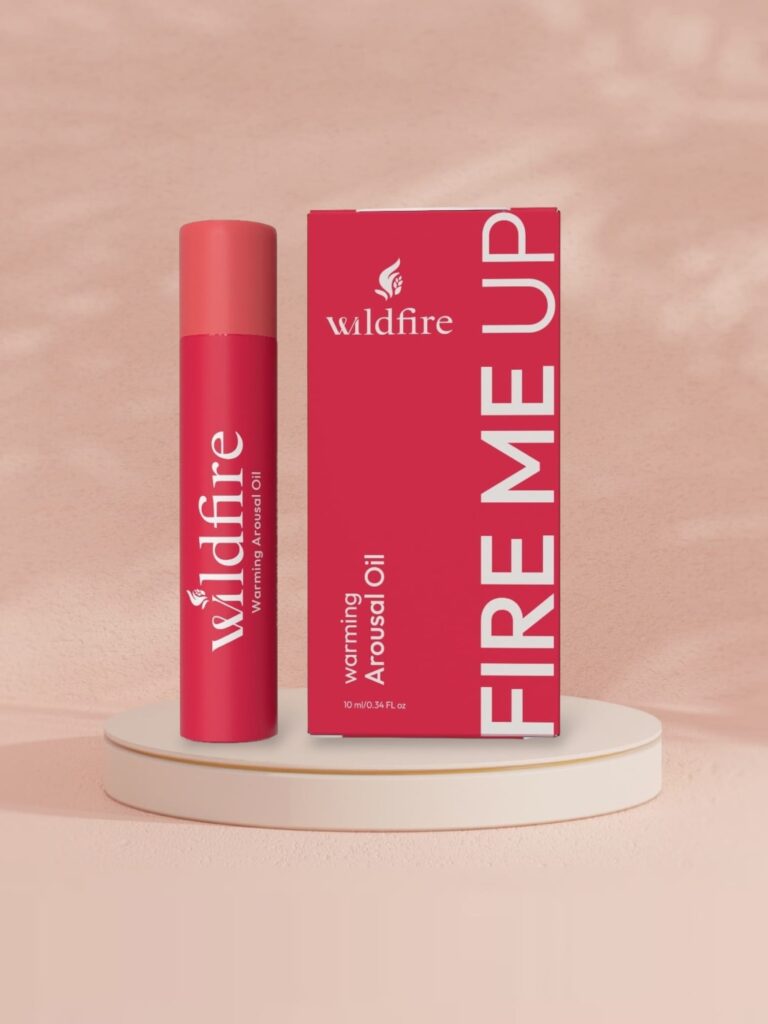
Fire Me Up
A concentrated warming formula for targeted external touch, offering warmth and a tingling sensory contrast.
Buy Fire Me Up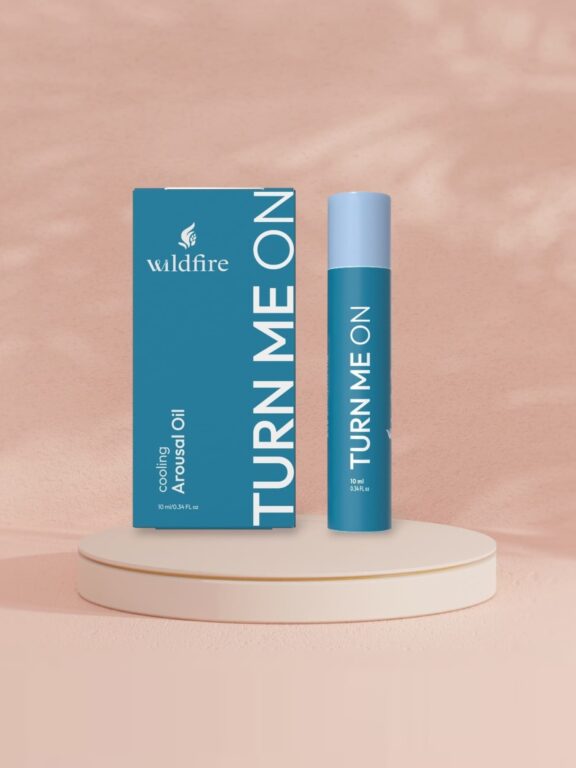
Turn Me On
A concentrated cooling formula for targeted external touch, offering a fresh, cool and tingling sensory contrast.
Buy Turn Me OnDo arousal oils really work?
That depends on what you expect the product to achieve. Sensory ingredients can produce noticeable warming, cooling or tingling, but the intensity and enjoyment of that sensation vary. There is no basis for assuming that a stronger sensation means a better sexual response. If you are looking for evidence about effectiveness, our guide to whether clitoral stimulating gels and oils really work explains the distinction between sensory effects and claims about arousal or orgasm.
Warming or cooling: which arousal oil should you choose?
The choice is about preference rather than which formula is stronger. Consider how you normally respond to warming or cooling ingredients, and whether the idea of either sensation appeals to you. A subtle experience may be more enjoyable than an intense one, and there is no need to persist with a sensation you dislike.
Warming — Fire Me Up offers a warming sensory direction for people who enjoy a sense of heat.
Cooling — Turn Me On offers a fresh cooling contrast for people who prefer that sensation.
Where do you apply arousal oil?
Wildfire arousal oils are designed for targeted external intimate areas, including the external vulval area, according to their individual directions. They are not intended for internal application or full-body massage. Check the label for the intended application area and precautions before use. For broader massage and body care, our Pleasure Oils serve a different purpose.
What should you know before using arousal oil?
Read the individual product directions before your first application, including any patch-testing instructions. A patch test on ordinary skin cannot guarantee tolerance in more sensitive areas. Follow the directed amount and allow the sensation to develop without assuming that more product is better. Do not apply to irritated or damaged skin, and wash your hands afterwards to avoid transferring product to your eyes. Our dedicated first-time arousal oil guide covers application, quantity and precautions in greater detail.
What if the sensation feels too strong?
Warmth and cooling should not be confused with pain or irritation. If the sensation is uncomfortable, stop using the product and follow its removal directions. Do not add another warming or cooling product to counteract the first. Seek medical advice if symptoms are severe, persistent or worsening.
Condom and barrier compatibility
Wildfire arousal oils are oil-based and must not come into contact with latex condoms. Oil can weaken latex, including through transfer from skin or hands. Check compatibility with other barrier materials and accessories before use. See Healthdirect’s condom guidance .
Is arousal oil the same as lube or massage oil?
No. A regular lubricant reduces friction; a stimulating lubricant may combine glide with sensation; and a dedicated arousal oil focuses on targeted sensation. Massage oil is generally intended for broader body contact and glide. The product’s intended application matters more than its texture or name. Our guide to arousal lube and arousal oil compares these options and explains when each may be appropriate.
Why a finished arousal oil is different from a DIY essential oil blend
Recognising a warming or cooling ingredient is not the same as knowing how to formulate a product for sensitive skin. Concentration, carrier base, ingredient interactions and intended application all affect a finished formula. Undiluted essential oils should not be applied to intimate areas, and dilution alone does not establish suitability. Our guide to peppermint oil and intimate sensitivity explains why cooling ingredients deserve particular care.
Frequently asked questions about arousal oil
Answers to common questions about sensation, intended use and compatibility.
What is arousal oil?
A topical product intended to introduce warming, cooling or tingling sensations during intimate touch. Wildfire arousal oils are designed for targeted external use rather than lubrication or full-body massage.
What does arousal oil do?
It can change how touch feels through sensory effects such as warmth, cooling or tingling. Individual responses vary, and sensation is not a guarantee of sexual arousal.
How does arousal oil work?
Certain ingredients interact with sensory pathways involved in temperature and touch. The resulting sensation depends on the formula and individual sensitivity.
How long does arousal oil take to work?
There is no universal onset time. Follow the individual product directions, allow the initial sensation to develop and avoid adding more just because the effect is subtle.
Can arousal oil be used as lubricant?
Wildfire’s concentrated arousal oils are not intended as personal lubricants. Choose a suitable lubricant if friction reduction is the main concern.
Can arousal oil be used with condoms?
Oil-based arousal oils must not contact latex condoms because oil can weaken latex. Check the product and barrier manufacturer’s compatibility guidance for other materials.
Which is better, warming or cooling arousal oil?
Neither is universally better. Choose according to your preferences and sensitivity, rather than assuming stronger sensations are more effective.
Is arousal oil the same as an essential oil?
No. A finished arousal oil is a formulated product. Undiluted essential oils are not substitutes, and dilution alone does not establish suitability for intimate areas.
Ready to Choose Your Sensation?
Choose warming Fire Me Up for gradually building heat and tingling, or cooling Turn Me On for a fresh, crisp sensory contrast.
Continue Exploring Intimate Oils
These guides explain how targeted sensation, lubrication, massage and Pleasure Oils fit into different intimate experiences.