

Lube vs. Arousal Oil: What’s the Difference & Which One Should You Use?
Lube helps with glide and comfort. Arousal oil is designed to create sensation. If you are deciding between them, the right choice comes down to what you want the product to do.
What is the difference between lube and arousal oil?
Lube is primarily designed to reduce friction and provide glide. Arousal oil is designed to create targeted warming, cooling or tingling sensation. They can both be used during intimate moments, but they solve different problems and should not be treated as interchangeable.
The Quickest Way to Decide
Lube vs arousal oil can be confusing because both may feel silky on the skin and both are used during intimate moments. The important difference is what each product is designed to achieve.
The quickest way to decide
If dryness or friction is the problem, start with lube. If you already have enough glide and want to explore more warmth, cooling or tingling sensation, an arousal oil may be the better fit. In some situations the two can also be used separately as part of the same experience when the products are compatible.
If Dryness or Friction Is the Problem, Start With Lube
Lube, or personal lubricant, is designed primarily to reduce friction. It can make intimate touch, penetration or compatible toy use feel smoother and more comfortable, particularly when natural lubrication is not enough.
Different lubricants have different bases and intended uses. Water-based, silicone-based, oil-based and hybrid formulas can vary in longevity, feel, toy compatibility and condom compatibility, so the individual product directions matter.
The important distinction for this comparison is simple: if what you need is more glide, lubricant is designed to solve that problem.
If You Want More Sensation, That Is Where Arousal Oil Is Different
Arousal oil is not simply slippery oil with a different name. It is a targeted product designed to create a sensory response during external intimate touch.
Warming and cooling ingredients can create sensations such as heat, coolness and tingling. That change in sensation can make touch feel more noticeable and encourage you to focus more closely on the area where the product has been applied.
Wildfire’s two arousal oils create that experience in different ways. Fire Me Up combines warming ingredients including capsicum with cinnamon bark, ginger, clove and black pepper to create a layered warm, spicy and tingling sensation. Turn Me On uses menthol with spearmint, eucalyptus and peppermint to create a distinctly cooling and tingling response.
These formulas are concentrated and intended for small external intimate areas rather than full-body massage or use as personal lubricant.
If you want to understand the sensory ingredients and how warming and cooling formulas work in more detail, read our complete guide to what arousal oil is .
Lube vs Arousal Oil: What Is Actually Different?
| What Matters | Lube | Arousal Oil |
|---|---|---|
| Main job | Reduce friction and improve glide | Create warming, cooling or tingling sensation |
| Choose it when | You want more comfort or smoother movement | You want touch to feel more noticeable or sensory |
| How it feels | Slippery, smooth or cushioning | Warm, cool, tingly or more intense |
| Typical use | Depends on the lubricant formula and label directions | Targeted external intimate touch |
| Does it replace the other? | No. Lube does not necessarily provide warming, cooling or sensory stimulation. | No. Arousal oil is not designed to replace lubricant when more glide is needed. |
| Wildfire option | Choose a personal lubricant suited to your intended use | Compare Fire Me Up and Turn Me On |
Can Arousal Oil Replace Lube?
Usually, no. This is one of the most useful distinctions to understand.
If friction or dryness is making intimacy uncomfortable, you need a product designed to provide enough lubrication for that situation. A concentrated arousal oil may feel silky when first applied, but its main job is sensation rather than maintaining the level of glide you may need.
Wildfire’s Fire Me Up and Turn Me On are specifically designed for targeted external sensation and are not intended to be used as personal lubricants.
On the other hand, if you already have comfortable lubrication but want to experiment with warming, cooling or tingling sensations, adding more ordinary lube will not necessarily give you that experience either.
Think about the job, not just the texture. A product feeling slippery does not automatically make it a lubricant, just as a lubricant does not automatically make it an arousal product.
But What About Products Called “Arousal Lube” or “Arousal Lubricant”?
This is where product names can make the difference seem less clear than it really is.
Some products sold as arousal lube are personal lubricants that also include warming, cooling or other sensation-focused ingredients. In that case, the formula may be intended to provide both lubrication and sensation.
Other products, including Wildfire’s arousal oils, are concentrated sensation products intended for targeted external application rather than lubrication.
There is no reason to assume two products do the same thing simply because both use the word “arousal”. Check what the product is actually designed to do, where it is intended to be applied and whether its directions match the way you want to use it.
What If You Want Both Glide and Sensation?
You do not necessarily have to choose one or the other.
Some people use a small amount of arousal oil on the intended external area, allow the warming or cooling sensation to develop, and use a suitable lubricant separately when additional glide is wanted.
With concentrated sensation products, more is not necessarily better. Start with a small amount, allow time for the sensation to develop and only add more if it feels comfortable.
If you are using condoms or contraceptive barriers, check product compatibility before use. The same applies when combining products or using them with intimate toys. Follow the directions for everything involved rather than assuming two formulas will automatically be compatible.
Where Does Intimate Massage or Pleasure Oil Fit?
Massage or Pleasure Oil fills another role again. It is generally chosen when you want longer-lasting glide across larger areas of the body and a slower massage or touch ritual.
That makes it different from both a purpose-made lubricant and a concentrated arousal oil. Wildfire’s Pleasure Oils are designed for body care, massage and intimate moments, while Fire Me Up and Turn Me On are concentrated products for targeted sensation.
If you are trying to decide whether a body or massage oil suits the intimate use you have in mind, see our guide to using massage oil for intimate touch .
So Which One Should You Choose?
Start with the problem or experience you are actually trying to address.
- Choose lube when you want more glide, less friction or greater comfort.
- Choose warming arousal oil when you enjoy heat, tingling and a sensation that gradually builds.
- Choose cooling arousal oil when you prefer a fresh, cool and tingling sensory response.
- Consider both if you want targeted sensation as well as separate lubrication and the products are suitable to use together.
- Choose massage or Pleasure Oil when the focus is broader body massage, longer-lasting glide and sensual touch rather than targeted sensation.
The important thing is not finding one intimate product that supposedly does everything. It is choosing the formula designed for the experience you actually want.
Explore Wildfire Arousal Oils
If sensation is what you are looking for, Wildfire offers two concentrated arousal oils designed for targeted external intimate touch. Neither is intended to replace personal lubricant.
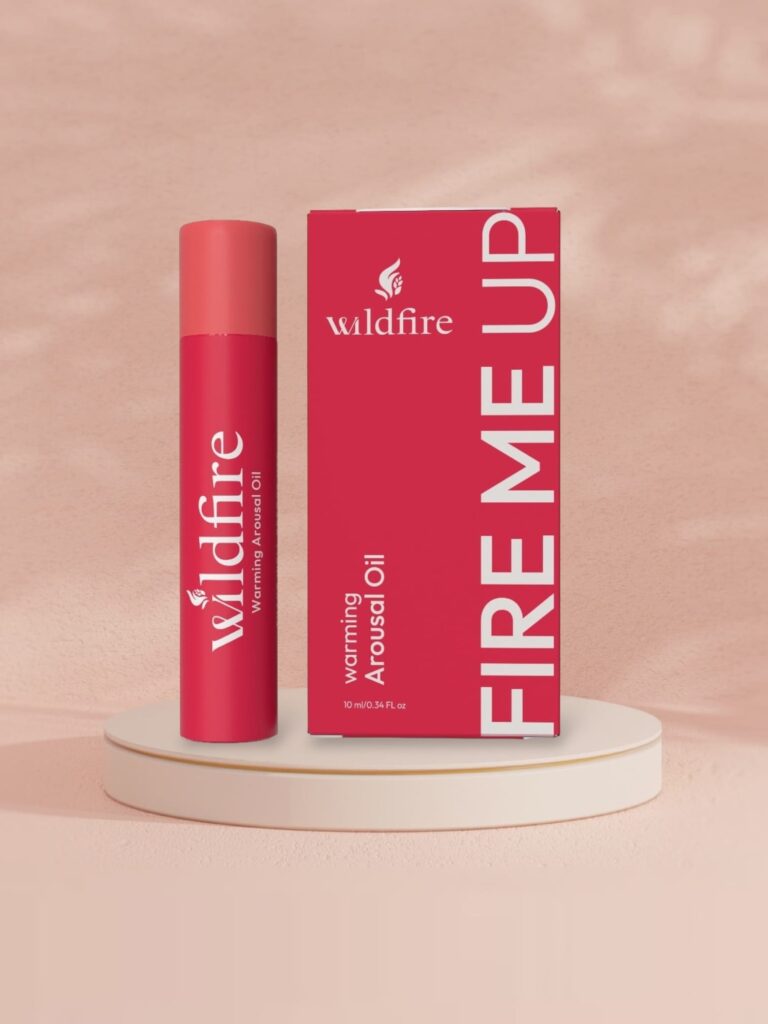
Fire Me Up
Capsicum, cinnamon bark, ginger, clove and black pepper combine to create a warm, spicy and tingling sensory experience for targeted external touch.
Buy Fire Me Up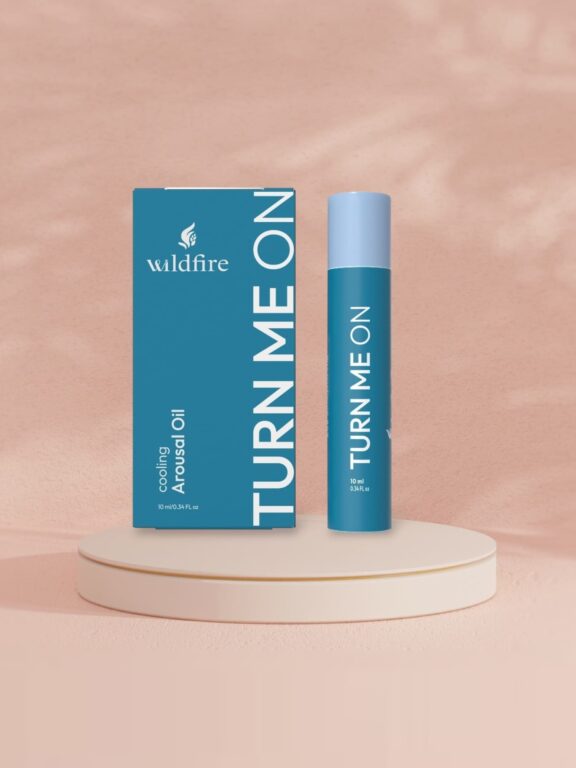
Turn Me On
Menthol, spearmint, eucalyptus and peppermint combine to create a fresh cooling and tingling sensory response for targeted external touch.
Buy Turn Me OnFrequently Asked Questions About Lube vs Arousal Oil
These common questions explain where lubricant, arousal oil and sensation-focused products differ and where they can overlap.
What is the difference between lube and arousal oil?
Lube is primarily designed to reduce friction and provide glide. Arousal oil is designed to create targeted sensations such as warming, cooling or tingling. They may both feel silky on the skin, but they are intended to do different jobs.
What does arousal oil actually do?
Arousal oil uses sensory ingredients to create warming, cooling or tingling feelings during external intimate touch. Those sensations can make touch feel more noticeable and draw attention to the area where the product has been applied.
Read our complete arousal oil guide for a fuller explanation of how warming and cooling formulas work.
Do arousal oils really work?
Arousal oils can create noticeable sensory effects such as warmth, coolness and tingling because of the ingredients used in their formulas. How intense those sensations feel varies from person to person. They are designed to support the sensory side of intimate touch rather than guarantee a particular level of sexual arousal or physical response.
Can arousal oil be used as lube?
Not necessarily. Wildfire Fire Me Up and Turn Me On are concentrated products for targeted external sensation and are not intended to replace personal lubricant. If you need more glide or reduced friction, choose a lubricant designed for that purpose.
What is arousal lube?
Arousal lube usually refers to a personal lubricant that also contains ingredients intended to create warming, cooling or another sensory effect. Product naming varies, so check the intended use rather than assuming every product labelled “arousal” is either a lubricant or an arousal oil.
Can you use lube and arousal oil together?
In some cases, yes. A small amount of arousal oil may be applied externally for sensation while a suitable lubricant is used separately for additional glide. Follow the directions for both products and check compatibility with condoms, contraceptive barriers and toys where relevant.
Want to Explore More Sensation?
Compare Wildfire’s warming and cooling arousal oils above, or learn more about how arousal oils work before choosing the sensory experience that appeals to you.
Continue Exploring Intimate Oils
These guides explain where massage oils, Pleasure Oils, lubricant and targeted sensation products fit into different intimate experiences.