How to Use Body Oil After a Shower Without Feeling Greasy
There is something particularly satisfying about stepping out of a warm shower and smoothing a little oil over freshly washed skin. Yet the experience can quickly lose its appeal if your skin feels greasy, your clothes cling to your body or you find yourself waiting to get dressed. You might even wonder whether body oil is simply too heavy for your skin.
The difference between a beautifully conditioned finish and an uncomfortable oily residue often comes down to how you apply it. The amount you use, the moisture remaining on your skin and the formulation of the oil all influence how it feels afterwards. With a few simple adjustments, body oil can become an enjoyable part of your everyday routine rather than something you reserve for special occasions.
How should you apply body oil after a shower?
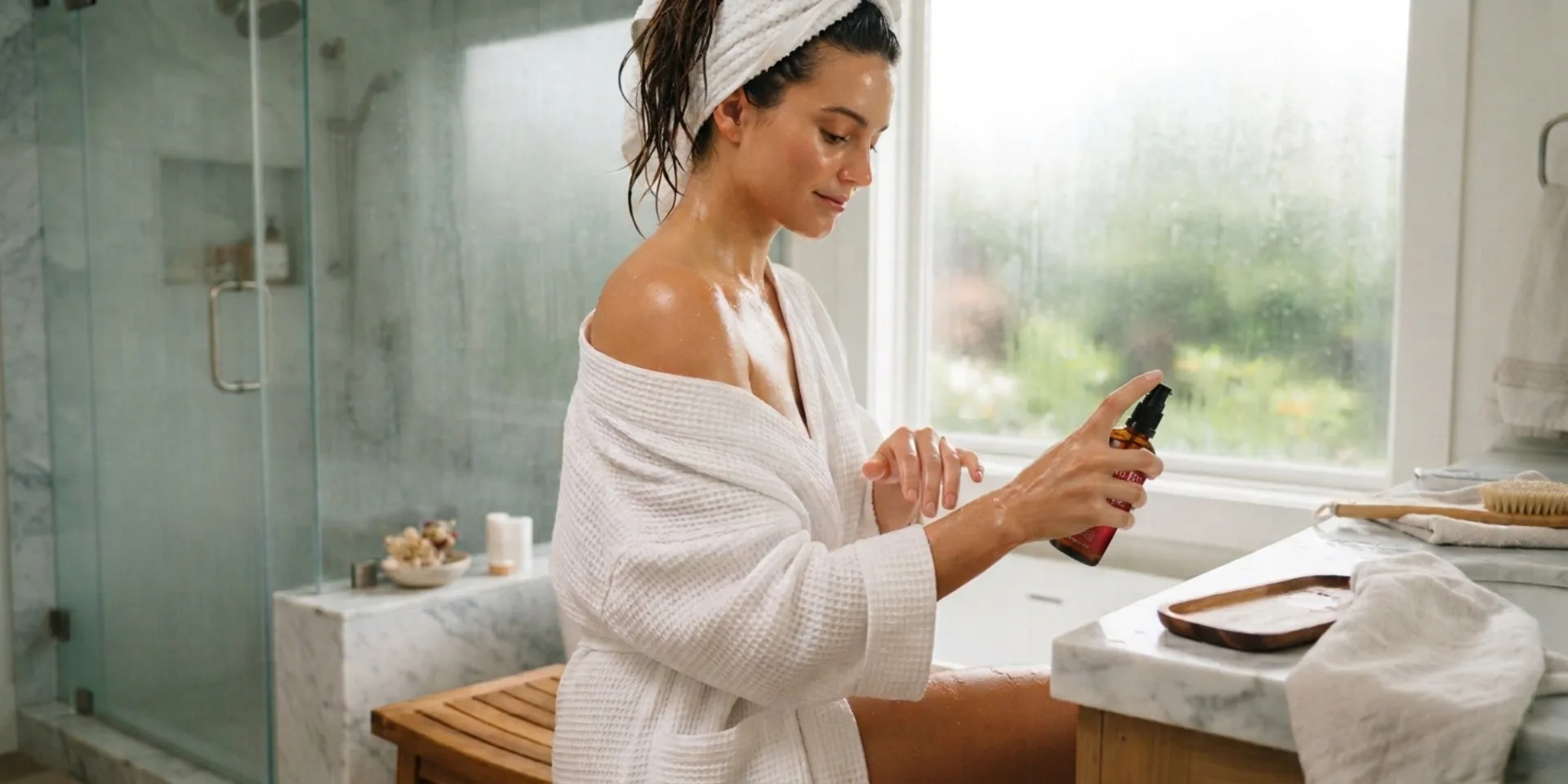
Apply a small amount of body oil to slightly damp skin after gently patting yourself dry. Spread it evenly with your hands, adding more only where needed. Applying oil while your skin is still damp can help retain some of the moisture remaining after your shower.
Your skin should feel soft and comfortable, with perhaps a subtle sheen, rather than coated in excess oil.
Why Does Body Oil Sometimes Leave Your Skin Feeling Greasy?
If you have ever applied body oil to dry skin and struggled to spread it evenly, your natural reaction may have been to reach for a little more. Before long, you can end up with more oil on your skin than you actually need. Applying oil after showering, while a little moisture remains, can make it easier to distribute a thinner layer across your body.
The formulation matters just as much as the application. Some body oils are designed to leave a particularly light finish, while others are formulated to retain enough glide for massage. Neither approach is inherently better; they simply serve different purposes. An oil that feels wonderfully silky during a massage may require a lighter application when used as part of your daily body-care routine.
It is also worth reconsidering what you expect from a body oil. Unlike a lightweight lotion, an oil may leave a noticeable softness or subtle sheen on the skin. That is not necessarily a sign that it has failed to absorb, nor does a completely dry finish mean that a product is more effective. The aim is to find a finish that feels comfortable to you.
How to Apply Body Oil After a Shower
You do not need an elaborate skincare routine or several different products to enjoy body oil. A few thoughtful changes to what you already do after showering can make the application more comfortable, economical and enjoyable. Begin once you have stepped out of the shower, while your skin is still slightly damp.
Pat your skin dry, but leave a little moisture
Gently pat yourself with a towel rather than drying every last trace of moisture from your skin. Your skin should feel slightly damp, not dripping wet. This gives you a comfortable surface over which to spread the oil without excess water running down your body.
Begin with less oil than you think you need
Dispense a small amount into your palm and rub your hands together to distribute it. Start with one area, such as your lower legs or arms, before adding more. It is much easier to build up a light layer than to remove an excessive one.
Smooth the oil evenly across your skin
Use gentle, sweeping movements to distribute the oil rather than concentrating it in one spot. Take a moment to enjoy the warmth of your hands and the texture of the oil. There is no need to rub vigorously to make it disappear.
Give different areas of your body what they need
Your shins, elbows and knees may appreciate a little more oil, while other areas may feel comfortable with very little. Adjust your application according to how your skin feels rather than trying to use the same amount everywhere.
Let the finish settle before getting dressed
Complete the rest of your bathroom routine before putting on your clothes. If you notice excess oil sitting on your skin, gently blot it with a soft towel that you do not mind getting oil on. This can also help reduce unwanted transfer onto clothing.
Apply body oil after stepping out of the shower. Take care not to transfer oil onto tiled floors, shower surfaces or the soles of your feet, as it can create a slipping hazard. Wipe up any spills promptly.
How Much Body Oil Should You Use?
There is no universal number of drops or pumps that works for everyone. Your body size, skin preferences, the consistency of the oil and even the dispenser itself can influence how much you need. A useful starting point is to work in small sections, adding only enough oil to allow your hands to move comfortably over your skin.
Rather than measuring success by how much product you have applied, pay attention to the finish. Your skin should feel comfortably conditioned without a thick layer of oil remaining on the surface. The following guide can help you recognise when to add a little more and when to stop.
| What your skin feels like | What to do |
|---|---|
| Your hands drag rather than glide | Try a little more oil or apply while your skin is slightly damper next time. |
| Soft, smooth and comfortable | You have probably applied enough. |
| Heavily coated or excessively shiny | Gently blot away the excess and use less next time. |
| Comfortable in some areas but oily in others | Adjust the amount according to each area. |
| Persistently greasy despite light application | Consider a lighter formulation or a moisturising lotion instead. |
If you already use a body oil for massage, try using less when applying it after a shower. Massage requires sustained glide between the hands and skin, whereas everyday body care usually needs only a thin, evenly distributed layer.
Should You Apply Body Oil Before or After Moisturiser?
Body oil and moisturiser do not necessarily need to compete for a place in your bathroom. Most lotions and creams contain water alongside ingredients that help attract and retain moisture, while a conventional body oil primarily helps soften the skin and reduce moisture loss. Depending on your skin and the formulation you choose, you may find that using both provides a more comfortable result than using either alone.
If you prefer to layer separate products, begin with your usual moisturiser on slightly damp skin, then smooth a small amount of body oil over the areas where you would like a richer finish. You do not necessarily need to apply both products across your entire body. For instance, you might use lotion everywhere and reserve the oil for your lower legs, elbows or shoulders.
If your skin already feels comfortable using body oil alone after showering, there is no reason to complicate your routine. However, if your skin frequently feels tight, dry or uncomfortable, a suitable moisturising cream may be a better starting point. The most useful approach is the one that meets your skin’s needs and feels enjoyable enough to maintain.
What If Your Skin Still Feels Oily?
Even with careful application, some oils may feel richer than you prefer. This can become particularly noticeable during Australia’s warmer, more humid months, when perspiration and close-fitting clothing can make a rich skin finish feel less comfortable. Rather than abandoning body oil altogether, consider adjusting when, where and how often you use it.
Adjust your routine to suit the weather
You might prefer a lighter application in the morning and a more indulgent routine after your evening shower. On particularly warm days, applying oil only where you need it can feel more comfortable than covering your entire body. During cooler weather, you may find that you enjoy a richer finish beneath loose, comfortable clothing. Your body-care routine does not need to remain the same throughout the year.
Use oil where you enjoy it most
You do not have to apply body oil everywhere to appreciate its benefits. You might reserve it for areas that tend to feel dry, leaving the rest of your body to your usual moisturiser. This approach is also useful when you want to enjoy the fragrance of a botanical oil without applying it across your entire body.
Recognise when a different formulation might suit you better
If reducing the amount does not improve the experience, the formulation itself may simply not suit your preferences. A lighter body oil or fragrance-free moisturising lotion may be a better choice, particularly if you dislike any noticeable residue. There is no benefit in persevering with a product that makes your daily routine less enjoyable.
Natural and botanical ingredients are not automatically suitable for every skin type. When introducing a fragranced body oil, test a small area first and follow the product directions. Avoid applying it to broken or irritated skin, and discontinue use if irritation occurs.
For persistent dryness, itching or diagnosed skin conditions, seek advice from a healthcare professional before introducing fragranced products into your routine.
Making Your After-Shower Routine a Moment of Self-Care
There is a quiet pleasure in giving yourself a few unhurried moments before returning to the demands of the day. The warmth of freshly showered skin, the movement of your hands and a fragrance that you genuinely enjoy can transform an ordinary routine into something more personal. It does not need to be elaborate, lengthy or reserved for an evening when you have nothing else planned.
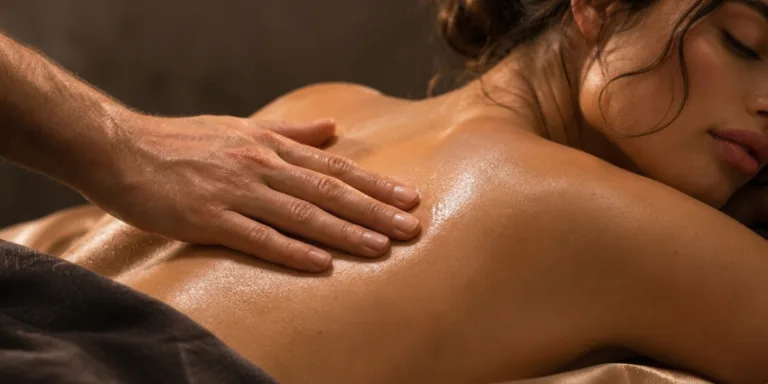
At Wildfire, our Pleasure Oils were created to move between different moments of body care and connection. The same oil you enjoy during a massage can become part of your after-shower routine, with a lighter application that allows you to appreciate its texture and aroma in a different way. Rather than needing a separate bottle for every occasion, you can explore different ways of enjoying a formulation you already love.
Original offers our classic, balanced aromatic experience, while Enhance Her brings its own distinctive botanical formulation. Black is our bolder aromatic blend for those who enjoy a more expressive scent. Your choice can be guided by the fragrance, texture and experience you prefer.
If you are still deciding which formulation might suit your routine, our guide to natural body oils explores the different ways these botanical blends can complement everyday body care.
Find Your Everyday Moment of Pleasure
Discover Australian-made botanical oils crafted for body care, massage and moments of connection. Choose a fragrance you love and make the everyday feel a little more indulgent.
Frequently Asked Questions
Can you use body oil every day?
Yes, provided the product is intended for regular body care and agrees with your skin. You can adjust the amount and frequency according to your preferences, the weather and how your skin feels. Always follow the directions for your particular body oil.
Can you apply body oil to completely dry skin?
Yes. Slightly damp skin can make it easier to distribute a small amount of oil and help retain moisture remaining after bathing, but dry skin is also suitable for many body oils. Applying oil to dry skin can be particularly useful when you want to soften a specific area without repeating your entire body-care routine.
Is it better to use body oil in the morning or at night?
Neither is inherently better. Morning application may suit those who enjoy a light sheen and fragrance as they begin their day, while evening application allows for a more leisurely routine without the need to get dressed immediately. Choose the timing that feels most comfortable for you.
Will body oil stain my clothes?
Oil can transfer onto clothing, and some fabrics may retain marks. Apply sparingly, blot away any excess and allow the finish to settle before dressing. Take particular care with delicate fabrics, including silk, and remember that no application technique can guarantee oil will not transfer.
Is body oil the same as shower oil?
Not necessarily. Some shower oils are cleansing products formulated to be rinsed away with water. Body oils are generally leave-on products intended to soften and condition the skin. Always check the intended use before applying either.