
Natural Oils for Menopause Dryness: What They Can and Can’t Do
Natural oils can have a useful place during menopause, particularly for dryness-prone external skin, massage and gentle intimate touch. But an oil, a vaginal moisturiser and a personal lubricant do different jobs, and knowing the difference matters.
Can natural oils help with menopause dryness?
Natural oils can help soften dryness-prone external skin and add glide to massage and external intimate touch. They are not the same as a vaginal moisturiser or personal lubricant, and they do not treat the hormonal changes that cause menopause-related vaginal dryness.
Menopause dryness is not one single problem. Some women experience dryness inside the vagina. Others notice dryness or sensitivity on the vulva or elsewhere on the body. For some, the biggest change is simply that friction during touch or intimacy becomes more noticeable.
As oestrogen levels decline during and after menopause, vaginal and vulval tissues can become thinner, drier and more sensitive. Natural lubrication may also decrease, which can make friction, irritation or discomfort more noticeable.
That distinction matters because the right support depends on where the dryness occurs and what you need the product to do.
No single product does every job. A vaginal moisturiser, a personal lubricant and a botanical body oil are different products with different purposes.
Healthdirect identifies lower oestrogen as the most common cause of vaginal dryness after menopause. The Australasian Menopause Society also describes changes that can affect the vagina, vulva and urinary tract.
If dryness is affecting sex more broadly, our guide to menopause and sex explains how comfort, arousal, desire and intimacy can change during this stage of life.
Where can natural oils help with menopause dryness?
A botanical body oil can add softness and glide to body care, massage and external intimate touch. It may suit dryness-prone external skin or moments when you want touch to feel slower and smoother.
Oil can also change the pace of intimacy. Using it during massage creates a natural reason to slow down, communicate and let comfort guide what happens next.
What an external body oil cannot do is treat the hormonal changes causing vaginal dryness. Nor is it automatically a substitute for a vaginal moisturiser or a personal lubricant intended for sexual activity.
- For dryness inside the vagina: choose a vaginal moisturiser intended for internal use and consider medical advice if symptoms persist.
- For extra glide during penetrative sex: choose a personal lubricant specifically formulated and labelled for that use.
- For dryness-prone external skin, massage or external intimate touch: a body or Pleasure Oil may fit naturally.
- For burning, bleeding or ongoing pain: seek medical advice rather than relying on a cosmetic product.
Coconut, olive or vitamin E: which oil makes the most sense?
Coconut oil, olive oil and vitamin E appear frequently in searches about natural oils for menopause dryness. They do not all feel or behave the same way, and being natural does not automatically make an ingredient suitable for every part of the body.
Coconut oil is familiar but not always the most practical
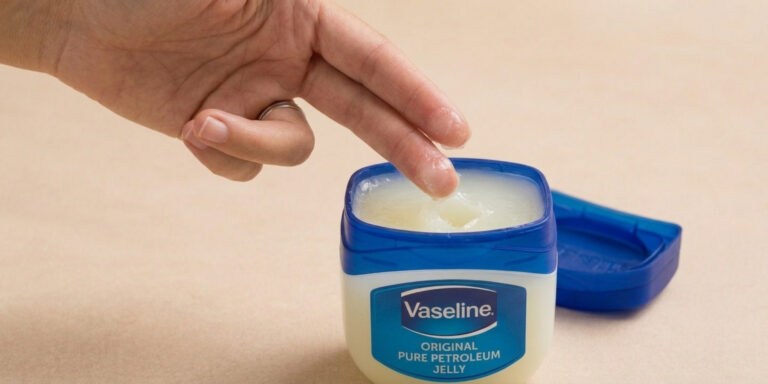
Coconut oil is widely discussed because it is readily available and leaves a slippery layer on the skin. It can, however, solidify in cooler conditions, and a household jar has not necessarily been formulated, packaged or labelled for intimate use.
If using any oil on sensitive external skin, follow the directions for the finished product rather than assuming that a familiar kitchen ingredient is appropriate everywhere.
Olive oil creates a richer massage feel
Olive oil has a more substantial texture than many lightweight carrier oils. During massage, that can provide lasting glide with enough grip for touch to retain a controlled, deliberate feel.
Combined thoughtfully with another carrier such as jojoba, it can form the foundation of a purpose-made body and massage oil. That can support dryness-prone external skin without making the finished product a treatment for vaginal dryness.
Jojoba gives a botanical formula a different skin feel
Jojoba is another ingredient frequently researched for dry or sensitive skin. Its lightweight feel makes it useful alongside richer carrier oils in a balanced body-care formulation.
As with any individual ingredient, its presence does not turn a cosmetic body oil into a vaginal moisturiser, personal lubricant or treatment.
Vitamin E works best as part of the formulation
Vitamin E is commonly used in body-care products because it contributes to a soft, conditioned skin feel. It is generally most useful as part of a balanced formulation rather than being the only oil applied.
Its presence does not automatically make a product a vaginal moisturiser, personal lubricant or menopause treatment.
What about sweet almond, aloe vera or sea buckthorn?
These ingredients also appear frequently in online discussions about menopause dryness. The same principle applies: look at the intended use of the complete product rather than assuming an ingredient is suitable for internal or intimate use simply because it is natural.
Do not apply an oil or botanical product inside the vagina unless the finished product is specifically formulated and labelled for internal vaginal use.
If an oil creates glide, why is it not automatically a lubricant?
Oils feel slippery, so it is understandable that the words oil and lubricant are sometimes used interchangeably. But the difference is not simply texture. It is also how and where the finished product is intended to be used.
A personal lubricant is formulated and labelled for sexual activity according to its directions. A vaginal moisturiser is intended to help manage ongoing vaginal dryness between intimate moments. A body or massage oil is primarily designed for external skin, massage and touch.
None is inherently better than another. They perform different jobs.
If using condoms or contraceptive barriers, check the compatibility instructions for the product before use.
A considered botanical oil is more than a plain carrier oil
Some women prefer a purpose-made botanical body oil to reaching for a plain household oil because the complete formulation has been developed around how it should spread, absorb and feel on the skin. If you want to understand the foundation of these formulas in more detail, our guide to what a carrier oil does explains how carrier oils differ from essential oils and why they matter in body and massage formulations.
Carrier oils form the foundation. Extra virgin olive oil provides a richer, conditioning texture, while jojoba helps balance the feel of the blend. Vitamin E can contribute to a soft, conditioned finish on dryness-prone external skin.
Botanical infusions and essential oils can then give the finished formula its distinctive character. Their role, however, should be understood in the context of the finished product rather than treating each ingredient as a stand-alone remedy.
What about essential oils for menopause, libido or intimate care?
Essential oils also appear in searches about vaginal dryness, female libido and intimate care. Their role is quite different from that of a carrier oil such as olive or jojoba.
Essential oils do not treat the hormonal changes responsible for menopause-related vaginal dryness. Concentrated essential oils should not be applied undiluted to sensitive intimate skin or used inside the vagina.
The vagina does not need essential oils for cleansing. Do not use concentrated essential oils inside the vagina or as a treatment for vaginal dryness, odour or irritation. Follow the directions for the finished product and stop use if irritation occurs.
Rose geranium and ylang ylang
Rose geranium and ylang ylang are often associated with sensual aromatherapy and are among the essential oils people research in relation to female-focused massage and intimacy.
Rather than using those oils individually, Enhance Her already incorporates rose geranium and ylang ylang within its complete Tantalize aroma, alongside jojoba, vitamin E, olive oil, botanical infusions and other essential oils.
Their presence contributes to the character and sensory experience of the finished formula. It does not mean rose geranium or ylang ylang themselves treat menopause symptoms or increase libido.
What about peppermint?
Peppermint belongs to a different sensory pathway. If you are researching peppermint essential oil for intimate use, our guide to peppermint oil on the clitoris explains why concentrated peppermint oil and a finished product formulated for external intimate use are very different things.
Wildfire’s Turn Me On uses peppermint together with menthol, spearmint and eucalyptus to create a cooling and tingling sensory experience for targeted external intimate touch.
If you prefer warmth rather than cooling, Fire Me Up is designed around a warming and tingling sensation instead.
Enhance Her is a 4-in-1 Pleasure Oil for massage, body care, bath rituals and external intimate touch. Turn Me On and Fire Me Up are targeted arousal oils designed around noticeable cooling or warming sensations.
Where Enhance Her fits
Wildfire Enhance Her Pleasure Oil was developed with women in mind as part of the Wildfire Pleasure Oil range. It combines massage, body care, bath rituals and external intimate touch in one botanical formulation.
Its base combines extra virgin olive oil and jojoba oil with vitamin E. Herbal ingredients including marigold, wild yam, black cohosh, chaste tree berry, tribulus and ginkgo biloba give the formula its distinctive botanical identity.
Some of these botanicals are discussed online in relation to menopause or phytoestrogens, but their presence in a cosmetic oil does not mean Enhance Her replaces oestrogen, alters hormone levels or treats menopause symptoms.
Bergamot, patchouli, ylang ylang, sandalwood and rose geranium create its warm, sensual Tantalize aroma.
Enhance Her is designed for external body care, massage, bath rituals and intimate touch. It is not a vaginal moisturiser, menopause treatment or personal lubricant.
How can oil fit into a more comfortable intimacy routine?
Comfort-led intimacy is not only about adding more product. How an oil is used can help slow the moment down and create more room for communication.
- Warm a small amount between your hands before applying it.
- Begin with body massage so there is time to relax without expectation.
- For intimate touch, apply externally and massage gently.
- Add more only as needed rather than starting with a large amount.
- Let the person receiving touch guide the pressure, pace and areas touched.
- Stop if the skin becomes irritated or uncomfortable.
Enhance Her can also be applied lightly to dryness-prone body skin after bathing or added in a small amount to a warm bath. Take care because oils can make bath surfaces slippery.
Patch test on a small area of external skin before first use. Do not apply Enhance Her inside the vagina or use it as a personal lubricant.
What if the dryness is internal or sex has become painful?
If dryness is mainly inside the vagina, an external massage oil is unlikely to be the complete answer.
Vaginal moisturisers, personal lubricants and medical treatments have different roles depending on whether the concern is ongoing vaginal dryness, friction during sex or menopausal changes affecting the tissues.
Seek medical advice if you experience:
- dryness that persists despite appropriate products
- burning, itching or significant irritation
- pain during penetration or intimate touch
- bleeding during or after sex
- unusual discharge
- urinary symptoms or recurring urinary tract infections
These symptoms can occur around menopause but may also have other causes. A healthcare professional can help identify what is happening and discuss appropriate treatment options.
If penetration has become painful, our guide to painful intercourse after menopause looks at the causes and available support in more detail.
Comfort can affect desire and arousal too
When intimacy has repeatedly been uncomfortable, the body can begin to anticipate that discomfort. Desire may feel quieter, arousal may take longer and affectionate touch can start to feel connected with pressure or expectation.
Making intimacy more comfortable does not guarantee desire, but it can remove one of the barriers that makes closeness harder to approach.
If desire itself feels different, read our guide to menopause and sex drive. If the issue is more about physical response, lubrication or sensitivity, see female arousal after menopause.
If a reduction in sexual intimacy has started affecting the relationship, our guide to menopause and a sexless marriage explores that side of the experience.
The right support depends on what you need it to do
Natural oils can have a meaningful place during menopause when their role is defined clearly. A botanical Pleasure Oil can support external body care, massage and intimate touch without needing to be presented as a vaginal moisturiser, personal lubricant or medical treatment.
If the concern is internal vaginal dryness, persistent irritation or pain, choose support specifically intended for that need and speak with a healthcare professional when symptoms continue.
Natural oils and menopause dryness: common questions
Which oil is best for menopausal skin?
There is no single best oil for every woman. For dryness-prone external skin, look for a product intended for body care with a texture you enjoy and ingredients your skin tolerates. Patch test sensitive skin before broader use.
How do you relieve dryness during menopause?
The appropriate approach depends on where the dryness occurs. A body oil may support dryness-prone external skin, a vaginal moisturiser is intended for ongoing internal vaginal dryness, and a personal lubricant provides temporary glide during sexual activity.
What is the best natural lubricant for menopause?
If you need a personal lubricant, choose a finished product specifically formulated and labelled for that purpose. Water-based and silicone-based lubricants are common options. Enhance Her is an external Pleasure Oil, not a personal lubricant.
Can coconut oil be used for menopause dryness?
Coconut oil may soften dryness-prone external skin, but it does not treat the hormonal changes that cause vaginal dryness. An ordinary household coconut oil may also not be formulated or labelled for intimate use.
Is vitamin E good for menopause dryness?
Vitamin E is commonly included in body-care formulations because it contributes to a soft, conditioned skin feel. It may support dryness-prone external skin as part of a balanced formulation but does not make a product a vaginal moisturiser or menopause treatment.
Can essential oils help vaginal dryness?
Essential oils do not treat the hormonal changes that cause menopause-related vaginal dryness. They should not be applied undiluted to sensitive intimate skin or used inside the vagina.
Can essential oils increase female libido?
Essential oils can contribute aroma and sensory character to a finished product, but an individual essential oil should not be treated as a proven remedy for low libido. Sexual desire is influenced by many physical, emotional, medical and relationship factors.
Are essential oils safe for feminine hygiene?
Essential oils should not be used inside the vagina as a cleansing or hygiene treatment. For external use, follow the directions and dilution of the finished product and discontinue use if irritation occurs.
Can Enhance Her be used inside the vagina?
No. Enhance Her is intended for external body care, massage, bath rituals and intimate touch. It should not be applied inside the vagina or used as a personal lubricant.
Continue exploring menopause, comfort and intimacy:
Female arousal after menopause
Painful intercourse after menopause
Sources and further reading
Australasian Menopause Society: Genitourinary symptoms of menopause
Made with women in mind
Enhance Her is Wildfire’s 4-in-1 Pleasure Oil for massage, body care, bath rituals and external intimate touch, with a botanical formula and the warm, sensual Tantalize aroma.
This article provides general information about menopause, dryness and body care and is not a substitute for individual medical advice. Seek professional advice for persistent dryness, pain, bleeding, urinary symptoms or significant irritation.