

What Is Arousal Oil? How It Works & How to Use It
Discover how warming and cooling arousal oils create sensation, where they fit into intimate touch and how to choose the experience that appeals to you.
What is arousal oil?
Arousal oil is a targeted topical product designed to create warming, cooling or tingling sensation during external intimate touch. Unlike massage oil, which is made for glide across larger areas of the body, arousal oil is used sparingly on smaller external areas where its sensory effect can feel much more noticeable.
What Does Arousal Oil Actually Do?
The important difference is that arousal oil is not simply an oil that happens to feel slippery. Its main job is sensation. Ingredients chosen for warming or cooling interact with sensory pathways in the skin and change how the area feels when touched.
Depending on the formula, you might notice warmth gradually developing, a fresh cooling sensation, tingling or a combination of these feelings.
On sensitive external areas, that contrast can make touch feel more pronounced and draw your attention towards the area where the product has been applied. For some people, this can support anticipation, arousal and pleasure. For others, the appeal may simply be enjoying a different physical sensation as part of intimate touch.
Response is personal. The same formula can feel subtle to one person and considerably stronger to another, which is one reason arousal oils are normally used in much smaller amounts than massage or Pleasure Oils.
Sensation rather than lubrication. Choose arousal oil when warmth, cooling or tingling is what you want to add to the experience. If friction or dryness is the main issue, a suitable personal lubricant is the better starting point.
Why Warming and Cooling Arousal Oils Actually Feel Different
The warming or cooling feeling is not simply clever product naming. Different sensory ingredients interact with temperature- and sensation-sensitive receptors in the skin.
Menthol, one of the key cooling ingredients in Wildfire Turn Me On, activates cold-sensitive sensory pathways known as TRPM8. This creates the familiar perception of coolness even though the skin itself does not need to become physically cold. Research on topical menthol in human skin has also examined TRPM8-linked effects on local cutaneous blood flow. View the menthol research .
Warming ingredients work differently. Capsicum contains capsaicin, a compound associated with heat-sensitive TRPV1 pathways. Human research using topical capsaicin demonstrates its interaction with these heat- and sensation-sensitive pathways. View the capsaicin research .
Compounds found in ingredients such as cinnamon can also stimulate TRPA1 pathways involved in sensations including pungency, warmth and tingling. Research in healthy volunteers using topical cinnamaldehyde and menthol has measured changes in sensory response, skin temperature and perfusion. View the cinnamaldehyde and menthol research .
What that evidence tells us
Research into individual ingredients helps explain why warming and cooling sensations occur. It is not the same as a clinical trial of Wildfire arousal oils, so the role of the research here is to explain the sensory mechanisms rather than promise a particular sexual response.
How Wildfire Creates Warming and Cooling Sensation
Wildfire uses different sensory and botanical ingredients to give Fire Me Up and Turn Me On their distinctive character. Neither formula relies on a single ingredient alone.
The choice is less about one formula being better than the other and more about the type of sensation that sounds appealing to you.
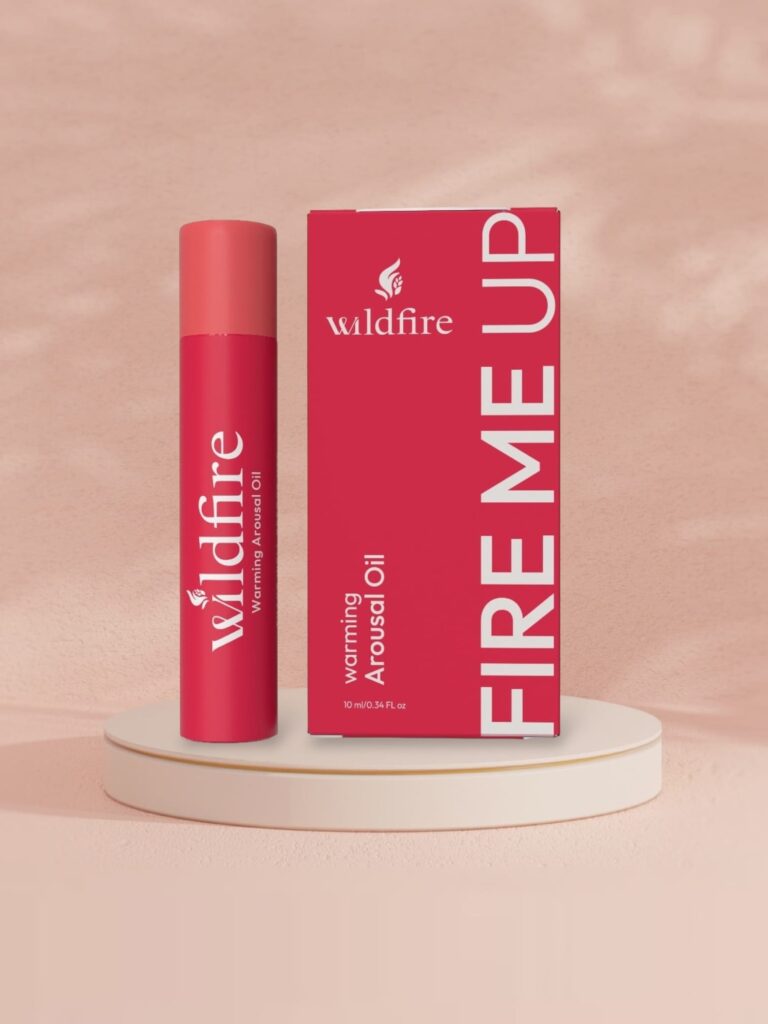
Fire Me Up
Capsicum, cinnamon bark, ginger, clove and black pepper contribute to a layered warming, spicy and tingling sensation that develops gradually with touch.
Buy Fire Me Up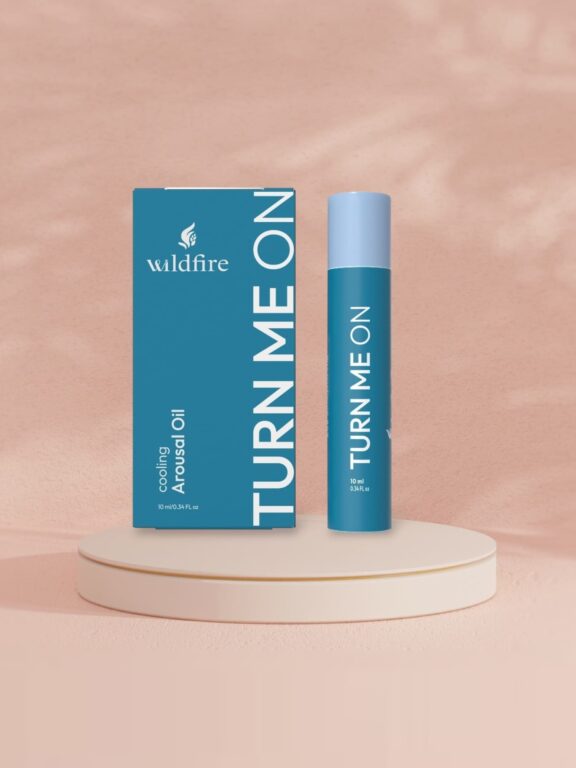
Turn Me On
Menthol, spearmint, eucalyptus and peppermint create a fresh cooling and tingling sensation that can make targeted touch feel more noticeable.
Buy Turn Me OnDo Arousal Oils Really Work?
If by “work” you mean can they genuinely make the skin feel warmer, cooler or more tingly? then yes. Those sensory effects come from ingredients in the formula and the way they interact with sensory pathways in the skin.
What an arousal oil cannot determine is how sexually aroused someone will become or how intense the experience will feel. Physical sensation is one part of arousal alongside mood, comfort, attraction, context, touch and individual sensitivity.
That is why it is more useful to think of arousal oil as something that supports the sensory side of arousal. It adds another sensation to explore rather than dictating what the outcome should be.
Warming or Cooling: Which Arousal Oil Should You Choose?
Neither sensation is universally better. The right choice is mostly about what sounds appealing to you and how sensitive you tend to be.
Choose warming if you like the idea of heat that gradually develops with touch. Fire Me Up has a spicy, building character for people looking for a deeper warming and tingling sensation.
Choose cooling if you prefer something fresh, crisp and tingly. Turn Me On creates a cooler sensory contrast that can feel brighter and more immediate.
If you are particularly sensitive to warming, cooling or strongly aromatic ingredients, begin with a small amount and allow the first sensation time to develop before deciding whether you want more.
Where Do You Apply Arousal Oil?
Wildfire arousal oils are designed for targeted external intimate use. They are applied sparingly to the external area where you want to explore warming or cooling sensation, including the clitoris and surrounding external vulval area.
Because the formulas are concentrated, you do not need to spread them broadly across the body. A small amount on the intended external area allows the sensory character of the formula to become the focus.
They are different from Wildfire Pleasure Oils, which are made for broader massage, body care and longer-lasting glide. If the experience you want is full-body massage rather than targeted sensation, explore our Pleasure Oils instead.
How to Use Arousal Oil
Arousal oil is simple to use, but concentrated sensation products are best introduced gradually. The aim is to discover the level of warmth or cooling you enjoy rather than assuming more product automatically creates a better experience.
Read the directions and shake well before use. Different formulas may have different application instructions.
Begin with the smallest amount directed. Apply it to the intended external intimate area rather than a large area of skin.
Give the sensation time to develop. Warming or cooling may build over several minutes, so there is no need to add more immediately.
Let touch become part of the experience. Gentle contact can make the contrast between warmth, cooling and tingling feel more noticeable.
Add more only if you want to. If the first application feels comfortable and you want more intensity, follow the directions for the formula before reapplying.
Wash your hands after application. This avoids unintentionally transferring concentrated product to the eyes or another area.
What If the Warming or Cooling Feels Stronger Than Expected?
Sensation should add something enjoyable to the experience. If the warmth, cooling or tingling feels stronger than you want, stop adding product and follow the removal directions supplied with the formula.
This is another reason starting small works well: you can always decide you want more once you understand how the first application feels.
If irritation or another reaction develops, discontinue use. People who already know their skin reacts easily to new topical products may also prefer to patch test before first use.
Is Arousal Oil the Same as Lube or Massage Oil?
No. All three can form part of intimate moments, but they are designed to do different jobs.
| Product | Main Purpose | Typical Use |
|---|---|---|
| Arousal oil | Targeted warming, cooling or tingling sensation | Small external intimate areas |
| Personal lubricant | Reduce friction and improve glide | Depends on the lubricant and its directions |
| Massage or Pleasure Oil | Longer glide, skin feel and sensual massage | Broader external body and massage use |
If you are deciding specifically between lubrication and targeted sensation, our lube vs arousal oil guide explains when each makes more sense and how the two product categories can fit into the same intimate experience.
If massage is the main focus, our sexual massage oil guide explains how to choose a formula for broader massage and connected touch.
Can You Make Your Own Arousal Oil?
It can be tempting to see ingredients such as peppermint, cinnamon or ginger in a finished arousal oil and assume that adding the same essential oils to a carrier oil at home will create the same result.
The difficult part is concentration and balance. Essential oils and warming ingredients can be highly potent, and a blend that feels appropriate on the back, shoulders or legs can feel very different on more sensitive external areas.
A finished arousal oil also contains more than one sensory ingredient in isolation. The carrier base, concentration, interaction between ingredients and intended amount of use all contribute to how the final formula feels.
Knowing the ingredient is only part of the formulation. Understanding that peppermint can feel cooling or capsicum can feel warm is different from creating a balanced finished product for targeted intimate touch.
Why Not Just Use Peppermint Oil for Cooling?
Peppermint is closely associated with cooling sensation, but peppermint essential oil itself is highly concentrated. A finished cooling arousal oil is not the same thing as applying undiluted peppermint essential oil to sensitive skin.
Turn Me On combines menthol, spearmint, eucalyptus and peppermint within a finished formula designed around its intended external application rather than relying on one concentrated essential oil alone.
If cooling sensation is what interests you, our guide to peppermint oil on the clitoris explores the distinction between concentrated essential oil and a finished formula in more detail.
Frequently Asked Questions About Arousal Oil
These answers cover the questions people most often ask about what arousal oil does, how it feels and where it fits alongside lubricant and massage oil.
What is arousal oil?
Arousal oil is a targeted topical product designed to create warming, cooling or tingling sensation during external intimate touch. Its main purpose is sensation rather than lubrication or full-body massage.
What do arousal oils do?
Arousal oils create sensory effects such as warmth, coolness or tingling on targeted external intimate areas. These sensations can make touch feel more noticeable and may support the sensory side of arousal and pleasure.
Do arousal oils really work?
Arousal oils can create genuine warming, cooling and tingling effects through sensory ingredients in their formulas. How strongly someone experiences those sensations varies. They support sensory touch rather than guaranteeing a particular sexual response.
Where do you apply arousal oil?
Wildfire arousal oils are designed for targeted external intimate areas, including the clitoris and surrounding external vulval area. Apply them according to the directions for the individual formula.
How long does arousal oil take to work?
Sensation can begin developing within a few minutes, depending on the formula, amount used, body temperature and individual sensitivity. Allow the initial application time to develop before deciding whether you want more.
Is arousal oil the same as lubricant?
No. Lubricant is primarily designed to reduce friction and provide glide. Arousal oil is designed to create targeted sensation. See our lube vs arousal oil comparison if you are deciding which product you need.
Can arousal oil be used with condoms or contraceptive barriers?
Check the directions for the arousal oil and the compatibility guidance for the condom or contraceptive barrier you plan to use. Wildfire arousal oils are oil-based, so they should not be used with latex condoms.
Which is better, warming or cooling arousal oil?
Neither is better for everyone. Warming arousal oil creates gradually building heat and tingling, while cooling arousal oil creates a fresher, cooler sensory response. Choose according to the sensation that appeals to you.
Can I make my own arousal oil with essential oils?
Creating an intimate blend involves more than selecting an essential oil known for warming or cooling sensation. Concentration, carrier base, interaction between ingredients and intended application all affect the finished formula.
Can arousal oil be used for massage?
Wildfire arousal oils are concentrated products intended for targeted external sensation rather than full-body massage. For broader massage and longer-lasting glide, choose a massage or Pleasure Oil instead.
Ready to Choose Your Sensation?
Choose warming Fire Me Up for gradually building heat and tingling, or cooling Turn Me On for a fresh, crisp sensory contrast.
Continue Exploring Intimate Oils
These guides explain how targeted sensation, lubrication, massage and Pleasure Oils fit into different intimate experiences.