
Menopause and Sex: What Changes and What May Help
Menopause can change sex in several ways. Desire may feel different, arousal may take longer, vaginal dryness can affect comfort, and sex may sometimes become painful. For other women, very little changes. Understanding what is happening can make it easier to find the right kind of support.
How can menopause affect sex?
Menopause can affect desire, arousal, lubrication, comfort and orgasm, but the experience is different for everyone. Lower oestrogen can contribute to vaginal dryness and tissue changes, while sleep, fatigue, mood, medicines, health and relationship factors can also influence sexual wellbeing. Many of these changes can be supported or treated.
Sex after menopause can still be pleasurable and satisfying, but it may not feel exactly the way it did before.
Some women notice very little difference. Others experience changes in desire, physical arousal, vaginal lubrication, sensitivity, comfort or orgasm. Menopausal symptoms such as poor sleep, hot flushes, fatigue and low mood can also make sex feel less appealing.
Changes can include:
- less spontaneous interest in sex
- taking longer to become physically aroused
- less natural vaginal lubrication
- dryness, irritation or friction during sexual activity
- pain or tightness during penetration
- needing more or different stimulation
- orgasm taking longer or feeling different
- feeling tired or less interested because of poor sleep
- changes in confidence or body image
- relationship tension around sex or intimacy
There is no single menopause sex experience. The useful question is not whether sex is supposed to change, but which part of the experience has changed for you.
Menopause can change sex drive
Some women notice a lower sex drive during or after menopause. They may think about sex less often, initiate less frequently or find that desire no longer appears spontaneously.
Hormonal changes can contribute, but libido is also affected by sleep, fatigue, stress, mood, medicines, physical health, painful sex and the emotional context of a relationship.
Desire may also become more responsive. Instead of feeling interested in sex first, some women find that desire begins after enjoyable touch, affection or stimulation has already started.
If sexual interest itself is what has changed most, our guide to menopause and sex drive looks at that in much more detail.
Arousal and lubrication can feel different after menopause
Sexual desire and physical arousal are related, but they are not the same thing.
You may still want sex but notice that your body takes longer to respond. Natural lubrication may develop more slowly or be reduced, and stimulation that once felt effective may need more time, pressure or variation.
Lower oestrogen can also affect vaginal and vulval tissues, making them drier and less elastic. This means dryness is not necessarily evidence that someone is not interested or aroused.
A woman can feel mentally interested in sex while still experiencing vaginal dryness. Likewise, physical response can occur without strong spontaneous desire.
Our guide to female arousal after menopause explores slower arousal, lubrication, sensitivity and stimulation more closely.
Vaginal dryness is common after menopause
Vaginal dryness is one of the most common physical changes associated with menopause. Lower levels of oestrogen can affect vaginal moisture and tissue elasticity, which may lead to irritation, burning, friction or discomfort.
It is useful to distinguish between products designed for different jobs. A personal lubricant is used during sexual activity to reduce friction, while a vaginal moisturiser is used regularly to help manage ongoing vaginal dryness.
Persistent vaginal symptoms may also have medical treatment options, including vaginal oestrogen or other treatments depending on individual circumstances.
If dryness, burning, urinary symptoms or discomfort continue, speak with a GP or menopause-aware health professional rather than simply trying to tolerate the symptoms.
Why can sex become painful after menopause?
Pain during sex is known medically as dyspareunia. Around and after menopause, vaginal dryness and tissue changes are possible causes, but they are not the only ones.
Pain can also involve pelvic floor muscle tension, irritation, infection, skin conditions or other pelvic and gynaecological causes.
Pain may occur at the entrance of the vagina or feel deeper within the pelvis. Repeated painful experiences can also make the body anticipate discomfort, creating tension around future intimacy.
If penetration has become burning, tight or painful, see our dedicated guide to painful intercourse after menopause.
Pain is not something you need to push through. Finding the cause is more useful than trying to tolerate discomfort in the hope that it will improve on its own.
Can orgasm change after menopause?
Menopause does not remove the ability to experience orgasm, but some women notice that orgasm takes longer, feels different or requires more direct stimulation than it once did.
Reduced lubrication, discomfort, changes in arousal, medicines, fatigue and emotional factors can all affect the sexual experience.
If an old routine no longer works as reliably, experimenting with different stimulation, more time, a different pace or more direct clitoral touch may be more useful than trying to recreate exactly how sex felt years earlier.
Sleep, mood and energy can affect sex too
Menopause does not happen in isolation from the rest of life.
Hot flushes and night sweats can disrupt sleep. Poor sleep can lead to fatigue. Stress, anxiety or low mood may also make sexual activity feel less important or harder to enjoy.
Medicines and other health conditions can influence desire, arousal or orgasm as well. If you notice a significant change after starting a medicine, discuss it with your doctor rather than stopping prescribed treatment yourself.
Menopause can affect relationships as well as sex
Changes in sexual intimacy can be confusing for both partners.
One person may be avoiding sex because they are tired, uncomfortable or worried it will hurt. Their partner may experience that withdrawal as rejection or assume attraction has disappeared.
When neither person understands what the other is experiencing, even ordinary affection can start to feel complicated.
If menopause has led to a much lower-sex relationship or ongoing distance between partners, our guide to menopause and a sexless marriage looks at the relationship side in more detail.
What may help sex feel better during and after menopause?
What helps depends on what has actually changed. A solution aimed at libido will not necessarily help vaginal pain, and more stimulation will not fix persistent dryness caused by vaginal tissue changes.
Use the right product for dryness and friction
Personal lubricants can reduce friction during sexual activity. Vaginal moisturisers are designed for ongoing vaginal dryness. If symptoms persist, a clinician can discuss additional treatment options.
Allow more time for arousal
If physical response is slower, longer periods of kissing, touching, stimulation or other forms of foreplay may allow arousal to develop without rushing.
Change the pace or type of stimulation
A different position, pace, pressure or kind of stimulation may feel more comfortable than relying on exactly the same sexual routine as before menopause.
Take penetration off the agenda when needed
Sexual intimacy does not have to centre on intercourse. Kissing, massage, oral sex, mutual stimulation and affectionate touch can all be part of a satisfying intimate relationship.
Our guide to intimacy without sex explores lower-pressure ways of staying physically and emotionally close.
Address pain rather than working around it
Persistent painful sex deserves assessment. Depending on the cause, management may involve vaginal treatments, medicines, pelvic health physiotherapy or other medical care.
Talk about what feels different
A partner cannot necessarily tell whether you need more time, less pressure, a different type of touch or medical support. Explaining what has changed can prevent discomfort from being interpreted as rejection.
Consider the wider picture
Sleep, mood, stress, medicines, physical health and relationship wellbeing may all contribute. Sometimes improving sexual wellbeing involves looking beyond sex itself.
Can menopause treatments improve sexual wellbeing?
Treatment depends on the symptoms involved and an individual’s medical history.
Menopausal hormone therapy, or MHT, may improve menopausal symptoms that are affecting sexual wellbeing. Vaginal oestrogen and other vaginal treatments may be considered when dryness and tissue changes are causing symptoms.
Pelvic health physiotherapy may also help when pelvic floor muscle tension, pain or other pelvic floor problems contribute to uncomfortable sex.
For persistent low sexual desire that causes personal distress, a clinician may explore additional options after considering other physical, emotional, medication and relationship factors.
Menopause-related sexual concerns can have different causes. A GP or menopause-aware health professional can help work out whether the main issue is vaginal symptoms, pain, desire, arousal, another health condition or a combination of factors.
Where massage and sensory touch can fit
Some couples enjoy massage as a way to slow down and reconnect without making intercourse the immediate goal.
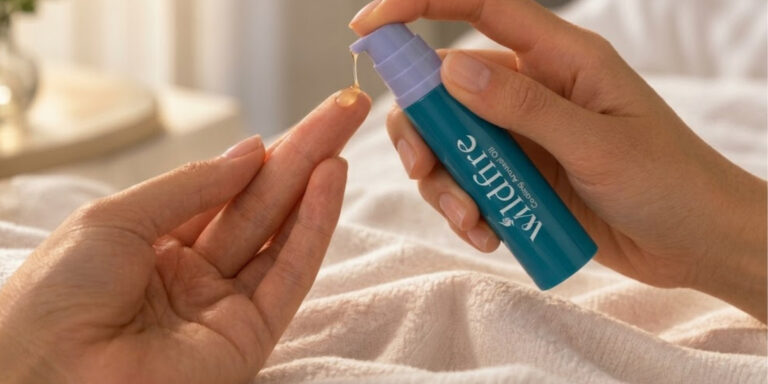
Wildfire’s Pleasure Oils are designed for massage, body care and external intimate touch. They can be part of a shared sensory ritual when both people enjoy that kind of contact.
Enhance Her is the softer, comfort-focused Wildfire blend for massage and external intimate touch, particularly where dryness-prone external skin benefits from a more nourishing body oil.
Wildfire Pleasure Oils are massage and body-care products for external use. They are not treatments for menopause or vaginal dryness and should not be applied inside the vagina or used as a personal lubricant. Check compatibility instructions if using condoms or contraceptive barriers.
When should you speak with a health professional?
Sexual changes do not automatically require treatment. Professional support is worthwhile when symptoms are persistent, painful, distressing or affecting quality of life.
Consider seeking medical advice if you experience:
- persistent vaginal or vulval dryness
- pain, burning or irritation during sex
- recurrent urinary symptoms or urinary tract infections
- penetration becoming difficult or impossible
- ongoing difficulty with arousal or orgasm that causes distress
- a sudden or unexplained change in sexual function
- sexual changes after starting a medicine
- significant distress about sex drive or intimacy
Vaginal bleeding or spotting after menopause should be assessed by a doctor, including bleeding that happens after sex.
Sex after menopause can still be satisfying
Menopause may change the way sex feels, but it does not define what your sexual life has to become.
For some women, very little changes. For others, satisfying sex may involve more time, different stimulation, treatment for vaginal symptoms, less pressure or more open communication with a partner.
The goal does not have to be making sex feel exactly as it did before menopause. It can be understanding what feels pleasurable, comfortable and wanted now.
Menopause and sex: common questions
How does sex change after menopause?
Some women notice changes in sexual desire, arousal, vaginal lubrication, sensitivity, comfort or orgasm after menopause. Poor sleep, fatigue, mood, medicines, health and relationship factors can also affect sexual wellbeing. Other women notice very little change.
Does a woman still get wet after menopause?
Yes. Natural vaginal lubrication can still occur after menopause, although it may be reduced or take longer to develop. Lower oestrogen can also contribute to vaginal dryness even when a woman feels sexually interested or aroused.
Why can sex hurt after menopause?
Lower oestrogen can contribute to vaginal dryness and tissue changes that make penetration uncomfortable, but painful sex can have several other causes including pelvic floor tension, irritation, infection and other pelvic conditions. Persistent pain should be assessed.
Does menopause lower sex drive?
It can for some women. Hormonal changes may contribute, but sleep, fatigue, stress, mood, medicines, painful sex, physical health and relationship factors can also affect sexual desire.
Can women still orgasm after menopause?
Yes. Menopause does not remove the ability to orgasm, although some women find that orgasm takes longer, feels different or requires different or more direct stimulation.
What can help sex feel better after menopause?
What helps depends on the problem. Personal lubricants may reduce friction, vaginal moisturisers can help manage ongoing dryness, and medical treatments may be appropriate for persistent vaginal symptoms. More time for arousal, different stimulation, addressing painful sex and open communication can also help.
When should I see a doctor about sex after menopause?
Seek medical advice if you have persistent pain, burning, vaginal dryness, urinary symptoms, difficulty with penetration, sexual changes that cause significant distress or any vaginal bleeding after menopause.
Explore menopause and sexual wellbeing:
Female arousal after menopause
Painful intercourse after menopause
Sources and further reading
Better Health Channel: Menopause and sex
Healthdirect: Painful sex for women
Australasian Menopause Society: Will menopause affect my sex life?
Create more room for comfortable, unhurried touch
When you want to slow intimacy down, massage can create time for touch and connection without making intercourse the immediate goal.
This article provides general information about menopause and sexual wellbeing and is not a substitute for individual medical advice. Speak with a qualified health professional if symptoms are persistent, distressing or painful.