
Finding the Right Personal Lubricant for Better Intimacy
Choosing the right personal lubricant can transform your intimate experiences from uncomfortable to extraordinary. Whether you’re navigating postpartum changes, menopause, or simply seeking enhanced pleasure, understanding what makes a quality lubricant can revolutionise your relationship with intimacy.
The world of personal lubricants extends far beyond basic functionality. A well-formulated personal lubricant supports safety, sensation, and comfort at the same time. The best sex lubricants combine safety, effectiveness, and pleasure enhancement to create experiences that honour your body’s needs while amplifying sensation and connection. This comprehensive guide explores everything you need to know about selecting the perfect lubricant for your unique circumstances.
From understanding different formulations to recognising ingredients that support your body’s natural balance, we’ll navigate the essential considerations that separate exceptional products from mediocre options. You’ll discover how the best personal lubricants for women address specific physiological needs while enhancing comfort and pleasure for all bodies.
Understanding Different Types of Personal Lubricant Formulations
The foundation of choosing the right lubricant begins with understanding the three primary categories available. Each type offers distinct advantages and considerations that make them suitable for different situations and preferences.
Water-Based Lubricants
Water-based formulations represent the most versatile category of personal lubricants. These products dissolve easily, clean up without residue, and maintain compatibility with all contraceptive methods and intimate accessories. The best female sexual lubricant in this category typically features a pH-balanced formula that supports vaginal health.
Quality water-based options provide excellent initial lubrication and feel natural against the skin. They work particularly well for individuals with sensitive skin or those who prefer products that won’t interfere with the body’s natural processes. However, these formulations may require reapplication during extended intimate sessions, as they can absorb into the skin or evaporate over time.
Silicone-Based Lubricants
Silicone-based lubricants offer superior longevity and performance, particularly for extended intimate activities. These formulations create a silky, long-lasting barrier that doesn’t absorb into the skin, making them excellent choices for activities requiring sustained lubrication.
The silicone lube vs water based debate often centres on durability versus versatility. Silicone options excel in situations where reapplication isn’t practical, such as intimate encounters in water or during extended sessions. However, they require more thorough cleanup and aren’t compatible with silicone-based intimate accessories.
Oil-Based Lubricants
Oil-based lubricants provide the most luxurious feel and longest-lasting performance. These formulations, particularly those featuring natural ingredients, can enhance intimate experiences while nourishing the skin. Best lubricant for vaginal comfort often includes carefully selected oil-based options that support tissue health.
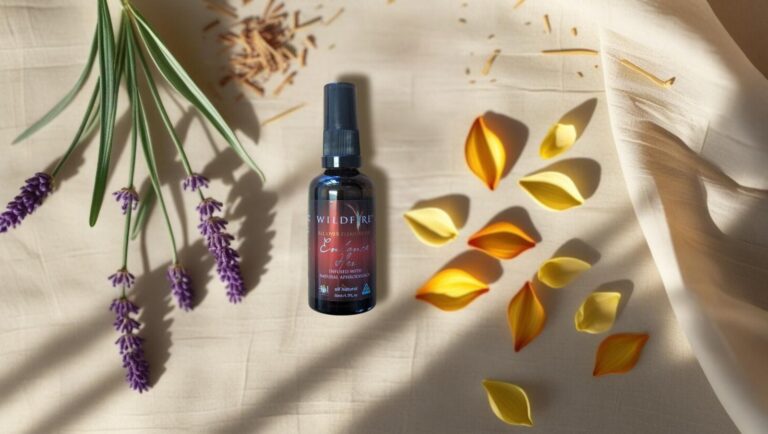
Natural oil-based lubricants, such as those offered by Wildfire, combine intimate lubrication with aromatherapy benefits and skin conditioning properties. These products transform intimate moments into sensory experiences that engage multiple aspects of connection and pleasure.
However, oil-based lubricants aren’t compatible with latex contraceptives and require careful selection to ensure they support rather than disrupt vaginal pH balance.
The Importance of pH Balance for Intimate Health
Understanding pH balance is an important part of choosing a personal lubricant that feels comfortable and supportive over time. The vaginal environment maintains a naturally acidic balance, typically between 3.8 and 4.5, which helps protect beneficial bacteria and discourages the growth of harmful microorganisms. A personal lubricant designed with pH balance in mind is more likely to support ongoing comfort rather than contribute to irritation.
Protecting Your Body’s Natural Ecosystem
Lubricants that work in harmony with the body respect this natural balance rather than disrupting it. When pH is supported, the risk of irritation, sensitivity, and ongoing discomfort is reduced, allowing intimacy to feel more relaxed and reassuring.
When selecting lubricants, it’s worth choosing formulations designed with vaginal pH in mind. It’s also common for people to reach for at-home alternatives when a purpose-made product isn’t available, often without realising that everyday household items are rarely created for intimate use. Both commercial lubricants and improvised substitutes can alter this delicate environment, increasing the likelihood of irritation or ongoing sensitivity for some bodies.
Special Considerations for Anal Play
Anal tissue has a different pH environment, typically closer to neutral, ranging from around 6 to 7. Because of this, lubricants intended for anal play are often formulated to be pH-neutral and particularly gentle, helping to minimise irritation in a more sensitive area.
The difference between anal lubricants and other formulations extends beyond pH alone. Thicker textures and longer-lasting slip are often important, providing sustained comfort and protection during activities that require greater lubrication and reduced friction.
Essential Ingredients to Seek and Avoid
The ingredient list of any personal lubricant tells the story of how that personal lubricant will interact with your body. What makes good lube often comes down to what it doesn’t contain as much as what it includes.
Beneficial Ingredients
Best personal lubricant for females typically features natural, body-compatible ingredients that enhance rather than compromise intimate health. Look for formulations containing:
- Natural moisturising agents like aloe vera or hyaluronic acid
- Organic plant-based oils such as coconut oil or jojoba oil
- pH-balancing ingredients that support vaginal health
- Antioxidants and botanical extracts that nourish intimate tissues.
Ingredients to Avoid
Safest lube to use excludes ingredients that can cause irritation, disrupt pH balance, or lead to infections. Avoid products containing:
- Glycerin and glycols, which can feed harmful bacteria and yeast
- Parabens and petroleum-based ingredients that may cause sensitivity
- Artificial fragrances and flavours that can trigger allergic reactions
- Numbing agents that mask important bodily feedback
- Warming or cooling agents that may cause tissue damage.
The Glycerin Concern
Many commercial lubricants contain glycerin, a sweet-tasting ingredient that can metabolise into sugar within the vaginal environment. This process can feed harmful bacteria and yeast, potentially leading to infections. Lube that doesn’t cause yeast infections specifically excludes glycerin and other sugar-based ingredients.
Choosing Lubricants for Specific Life Stages
Different life stages bring natural physiological changes that can influence comfort, sensitivity, and personal lubricant needs. Understanding these shifts can help guide more supportive choices, especially during periods when the body is adjusting hormonally or physically.
Postpartum and Breastfeeding
The postpartum period often involves significant hormonal changes, which can temporarily reduce natural lubrication and increase sensitivity. During this time, gentle, hormone-aware formulations that prioritise comfort can help support intimacy while the body heals and adjusts.
Breastfeeding may further suppress oestrogen levels, making vaginal dryness more noticeable. For many people, exploring gentle, supportive pleasure oils can offer comfort while maintaining closeness and connection with a partner.
Perimenopause and Menopause
As oestrogen levels gradually decline during perimenopause and menopause, vaginal tissues may become thinner and drier, and sensitivity can increase. Formulations with moisturising properties that support ongoing tissue comfort are often preferred, particularly when intimacy is part of a broader self-care routine.
Many people find that oil-based formulations provide both immediate lubrication and a more lasting sense of skin comfort, helping intimacy feel less effortful and more reassuring during this stage of life.
Managing Painful Intercourse
Discomfort during intimacy can arise for many reasons, including hormonal changes, heightened sensitivity, or underlying conditions. Reducing friction and supporting tissue comfort can help, but ongoing or persistent pain is a signal that additional care or professional guidance may be needed.
Conditions such as vaginismus or vulvodynia often require a broader approach that combines appropriate lubrication with medical or therapeutic support. Listening to the body and seeking personalised advice is an important part of protecting long-term intimate wellbeing.
Natural and Organic Options
Growing interest in natural intimate products reflects a broader awareness of how ingredients interact with the body’s more delicate systems. In this context, a high-quality lubricant is often one that works with natural physiological processes rather than overriding them.
Benefits of Natural Formulations
Natural formulations are often valued for their skin compatibility and ability to support comfort over time. Ingredients derived from plants and botanical sources can nourish the skin while providing lubrication, allowing intimacy to feel more connected and less functional.
Wildfire’s approach to oil-based intimacy draws on the same principles found in natural massage oils, where glide, skin comfort, and sensory experience work together. Rather than serving a single purpose, these formulations encourage a more considered and embodied experience of touch.
Understanding Natural Oil Options
Using household products such as coconut oil for intimate purposes is a common consideration, particularly for those seeking natural alternatives. While pure, organic coconut oil can provide lubrication, products formulated specifically for body and intimate use are developed with greater attention to skin sensitivity, stability, and overall suitability.
Mineral oil presents different considerations. Although generally safe for external use, it does not offer the same skin-conditioning benefits as plant-based oils and may interfere with the body’s natural balance when used intimately.
The Wildfire Difference
Wildfire’s approach to natural lubrication reflects a balance between traditional botanical knowledge and modern understanding of skin and intimate wellness. Carefully selected ingredients are used to support comfort and sensation without overwhelming the body’s natural responses.
These formulations demonstrate how lubrication can move beyond basic function to become part of a broader ritual of self-care and connection, integrating touch, skin conditioning, and sensory awareness into a more holistic intimate experience.
Lubricants for Sensitive Skin and Conditions
People with sensitive skin or ongoing intimate health concerns often benefit from a more considered approach to lubrication. A personal lubricant designed for sensitivity typically excludes common irritants while focusing on comfort, compatibility, and gentle support.
Addressing Bacterial Vaginosis
When bacterial vaginosis is a concern, lubrication choices should support the body’s natural balance rather than interfere with it. pH-aligned formulations help maintain the acidic environment that discourages the overgrowth of harmful bacteria.
Many people prone to bacterial imbalance find greater comfort with lubricants that avoid glycerin, artificial fragrances, and other ingredients known to disrupt the vaginal microbiome.
Supporting pH Balance
Lubricants formulated with pH balance in mind help preserve the vaginal environment’s natural acidity while still providing adequate lubrication. Some formulations include ingredients intended to support beneficial bacteria and overall microbial balance.
Because vaginal pH can shift throughout the menstrual cycle, across different life stages, and in response to health or lifestyle factors, choosing products that prioritise supporting pH balance can be particularly helpful for sensitive bodies.
Managing Recurring Infections
For those who experience recurring yeast infections, urinary tract infections, or ongoing irritation, gentle lubrication becomes especially important. Products formulated to be non-irritating and biocompatible place comfort and balance ahead of performance, helping reduce unnecessary stress on already sensitive tissues.
Application and Usage Guidelines
How a lubricant is applied and used plays an important role in both comfort and safety. Using a personal lubricant generously and mindfully helps reduce friction and supports sensitive tissues. Thoughtful application helps maximise benefits while reducing the likelihood of irritation or discomfort.
Application Techniques
Applying lubricant generously before intimate contact begins allows the body to relax into the experience rather than compensating for friction. Reapplying as needed throughout intimacy helps maintain comfort and protects sensitive tissues.
For those navigating intimacy for the first time, taking a slower approach and using more lubrication than you think you need can help create ease and positive associations with touch.
Storage and Hygiene
Lubricants should be stored in a cool, dry place away from direct sunlight. Checking expiration dates and discarding products that show changes in texture, scent, or consistency helps ensure ongoing safety.
Applying lubricant with clean hands and avoiding direct contact between skin and the container opening can help prevent introducing unwanted bacteria into intimate areas.
When to Seek Alternatives
If irritation, unusual discharge, or persistent discomfort occurs after using any new lubricant, discontinuing use is an important first step. Ongoing symptoms are a signal to seek personalised guidance from a healthcare professional.
When a purpose-made lubricant is not available, it’s best to avoid improvising with household products that are not designed for intimate use, as these can disrupt the body’s natural balance.
Embracing Intimate Wellness with Confidence
The right personal lubricant becomes part of a broader approach to intimate self-care, supporting comfort, connection, and confidence over time. Thoughtfully formulated options prioritise safety, skin compatibility, and sensation, supporting the body rather than overriding it.
Quality lubrication can transform intimate experiences from moments of hesitation into opportunities for greater ease and connection. Whether you are navigating changes in your body, responding to sensitivity, or simply seeking more comfort and confidence, the right formulation provides a supportive foundation for intimacy.
Finding what feels right is a personal process. Paying attention to how your body responds to different ingredients and textures allows you to make informed choices, and it is entirely valid to adjust your approach as your needs evolve.
Wildfire’s approach to natural pleasure oils offers an alternative way to think about intimate lubrication, one that brings together skin comfort, sensory awareness, and the ritual of touch. Rather than focusing solely on function, these formulations invite a more considered and connected experience.
Intimate wellness is not about perfection, but about care, attention, and trust in your body. Choosing products that support comfort and confidence can help foster positive, respectful experiences that honour both your wellbeing and your relationships.
Frequently Asked Questions
What makes a personal lubricant safe for regular use?
A personal lubricant that is suitable for regular use is one that works in harmony with the body rather than against it. Look for formulations that are pH-balanced and made specifically for intimate areas. Ingredients matter. Products that avoid unnecessary additives such as parabens, harsh preservatives, added sugars like glycerin, or synthetic fragrances are generally better tolerated over time. Choosing a personal lubricant formulated specifically for intimate use can help reduce unnecessary irritation and support ongoing comfort.
How do I choose between water-based and silicone-based options?
Choosing between water-based and silicone-based personal lubricants depends on how and when you plan to use them. Water-based options are lightweight, easy to wash away, and versatile, making them a popular everyday choice. Silicone-based lubricants last longer on the skin and require less frequent reapplication, which can be helpful for longer sessions. Sensitivity, ease of cleanup, and compatibility with condoms or intimate accessories are all worth considering when deciding which type feels right for you.
Can personal lubricants help with vaginal dryness beyond intimate moments?
Yes, some personal lubricants can support comfort beyond intimacy, depending on their formulation. While many lubricants are designed for immediate glide and relief, others are created to offer ongoing hydration and tissue comfort. These can be helpful for people experiencing dryness related to hormonal changes, stress, or general sensitivity, even outside of intimate moments.
Are more expensive personal lubricants worth the cost?
Higher-priced personal lubricants often reflect more considered formulations, such as better ingredient quality, gentler preservation systems, and careful pH balance. That said, price alone does not guarantee suitability. Reading ingredient lists and understanding how a product is formulated is more important than cost when choosing a lubricant that feels safe and comfortable for your body.
How do I know if a personal lubricant is causing problems?
If a personal lubricant is not suitable for you, your body will usually signal it. Ongoing irritation, unusual discharge, increased sensitivity, or recurring discomfort are signs that a product may not be agreeing with you. If symptoms persist after discontinuing use, it is a good idea to consult a healthcare professional to rule out other causes and ensure your intimate health is supported.